How microRNAs are made, how they find their targets, and what vesicles carry
microRNA biology: the enzymes that turn a primary transcript into a mature miRNA, how Argonaute uses a seven-nucleotide seed to choose its targets, what small RNA sequencing finds in mesenchymal stromal cell vesicles, and how that cargo is counted.
Every page cites peer-reviewed literature on normal biology, with numbered references and structure figures rendered from the Protein Data Bank.
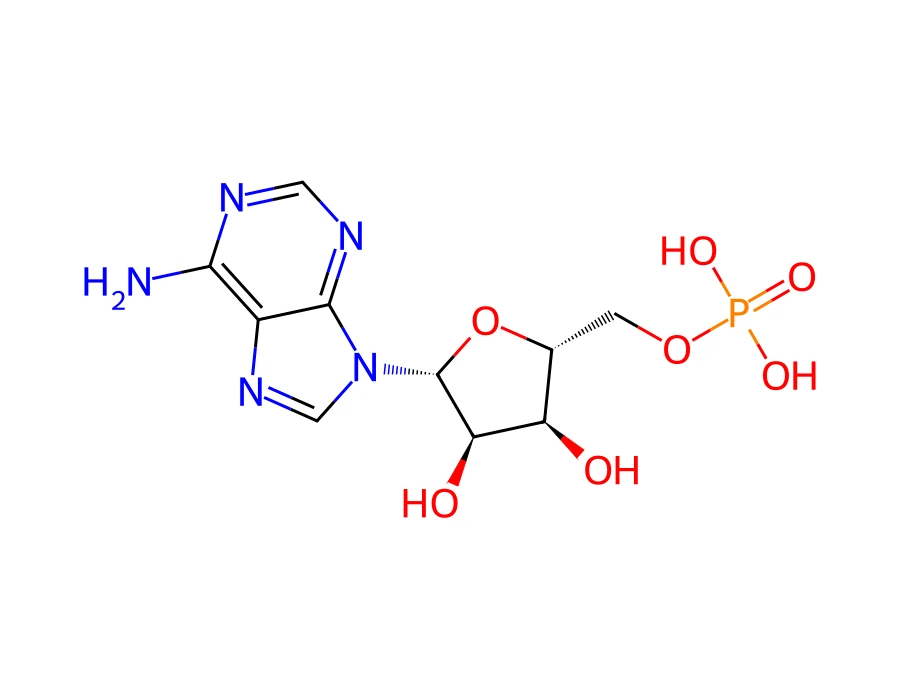
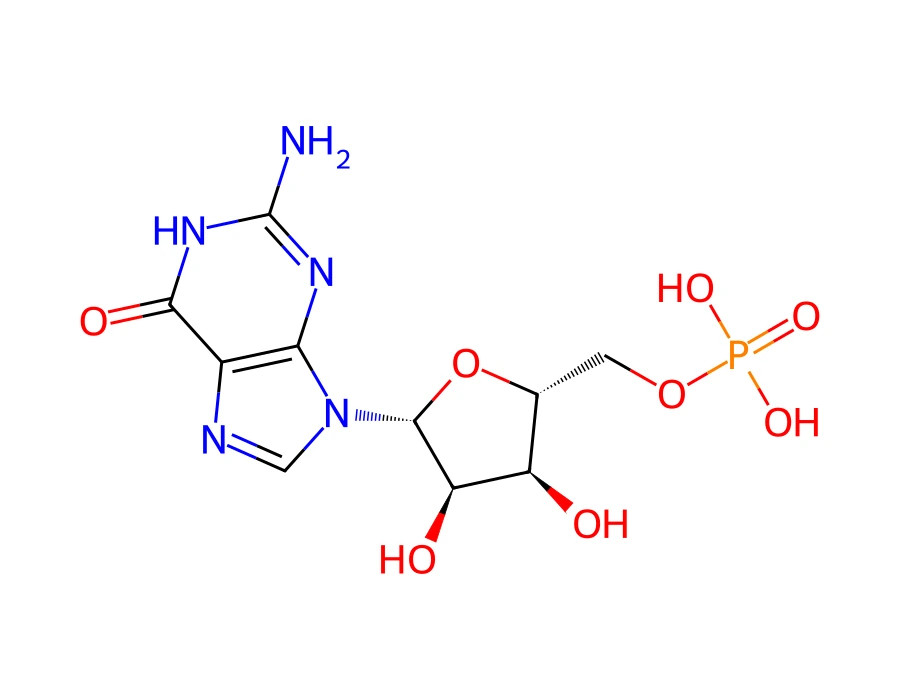
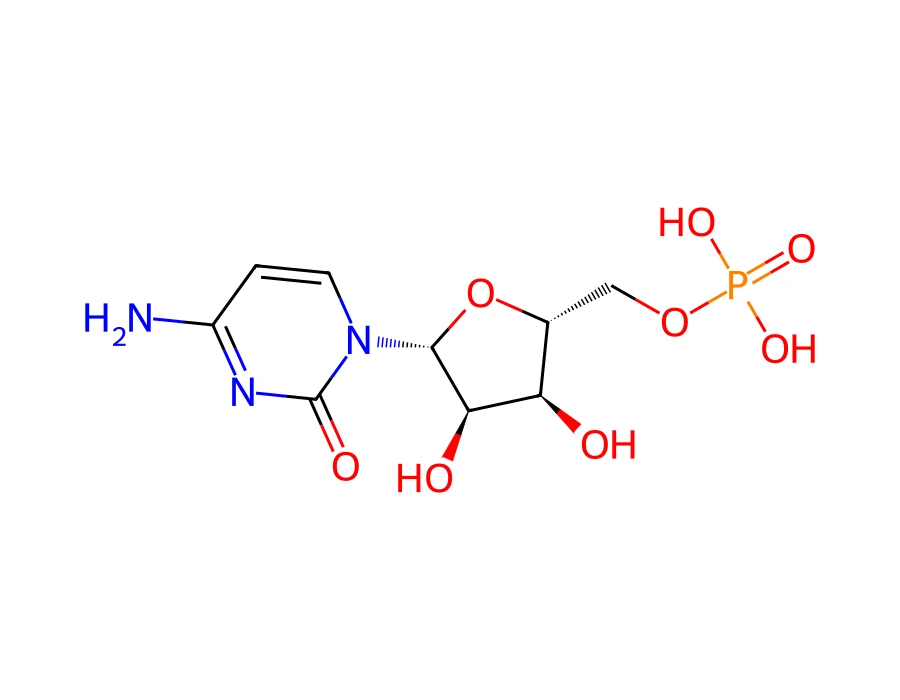
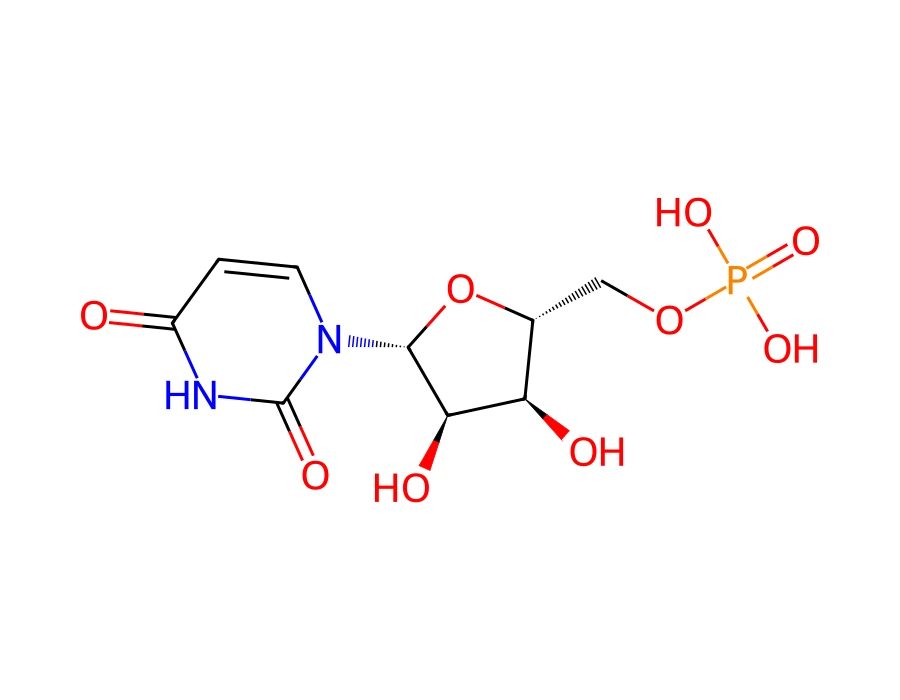
Fig. 1 | Adenosine 5′-monophosphate (AMP), Guanosine 5′-monophosphate (GMP), Cytidine 5′-monophosphate (CMP) and Uridine 5′-monophosphate (UMP).
The references, in reading order
6 references, each with numbered citations to the peer-reviewed literature.
How miRNAs are made and how they act
Biogenesis and naming, Argonaute and the seed, and how predicted targets are confirmed.
miRNA and other RNA in MSC vesicles
What sequencing detects in mesenchymal stromal cell vesicles, how many copies a vesicle carries, and the other noncoding RNA classes found there.
Figure sources
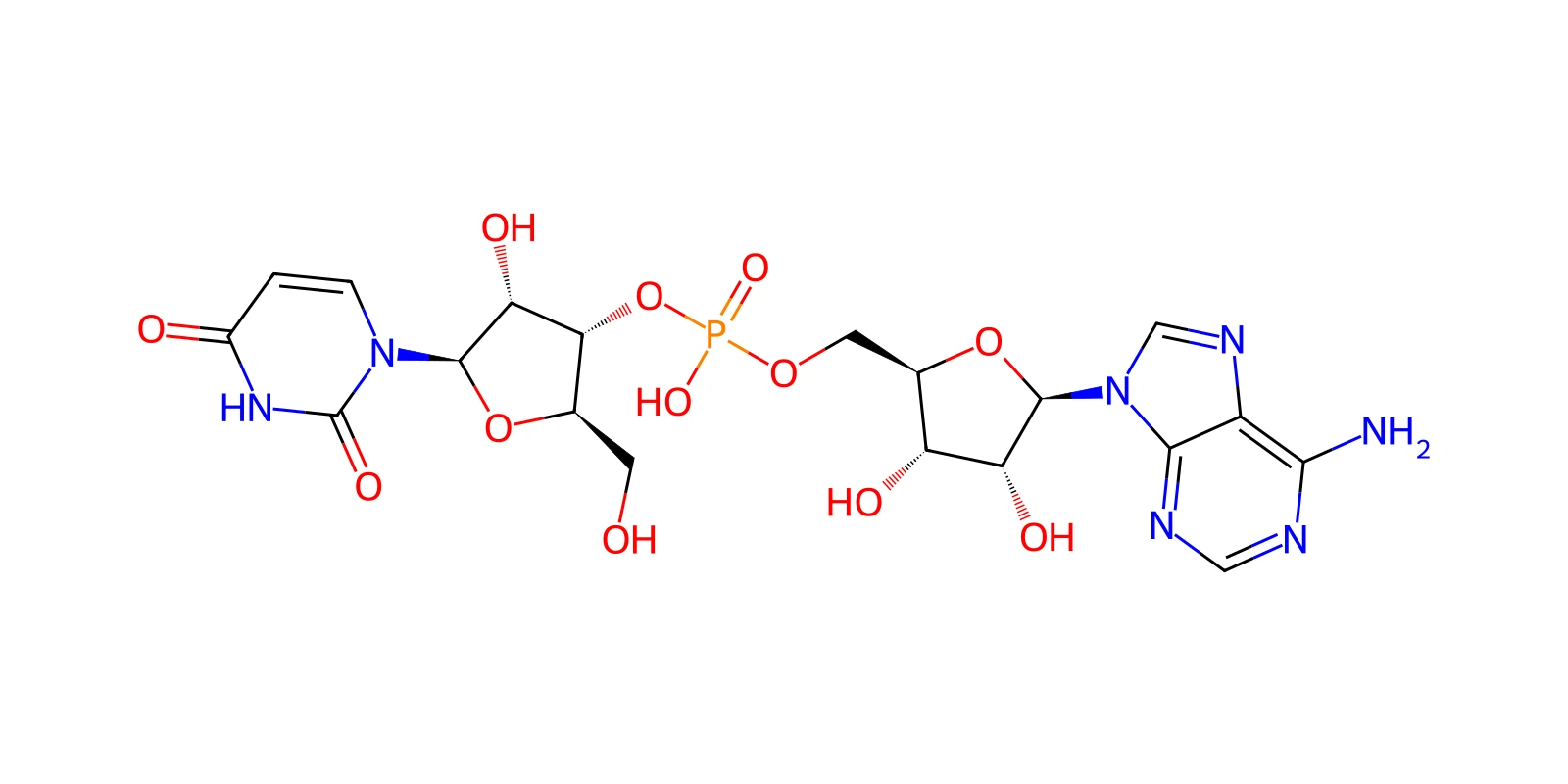
- [1]PubChem CID 6083, Adenosine 5′-monophosphate (AMP). Original drawing by ExaVeyra Sciences, made with RDKit (open source, BSD license) from the isomeric SMILES of the PubChem record (National Center for Biotechnology Information, public domain).
- [2]PubChem CID 135398631, Guanosine 5′-monophosphate (GMP). Original drawing by ExaVeyra Sciences, made with RDKit (open source, BSD license) from the isomeric SMILES of the PubChem record (National Center for Biotechnology Information, public domain).
- [3]PubChem CID 6131, Cytidine 5′-monophosphate (CMP). Original drawing by ExaVeyra Sciences, made with RDKit (open source, BSD license) from the isomeric SMILES of the PubChem record (National Center for Biotechnology Information, public domain).
- [4]PubChem CID 6030, Uridine 5′-monophosphate (UMP). Original drawing by ExaVeyra Sciences, made with RDKit (open source, BSD license) from the isomeric SMILES of the PubChem record (National Center for Biotechnology Information, public domain).
- [5]PubChem CID 92951, Uridylyl-(3′→5′)-adenosine (UpA), an RNA dinucleotide. Original drawing by ExaVeyra Sciences, made with RDKit (open source, BSD license) from the isomeric SMILES of the PubChem record (National Center for Biotechnology Information, public domain).
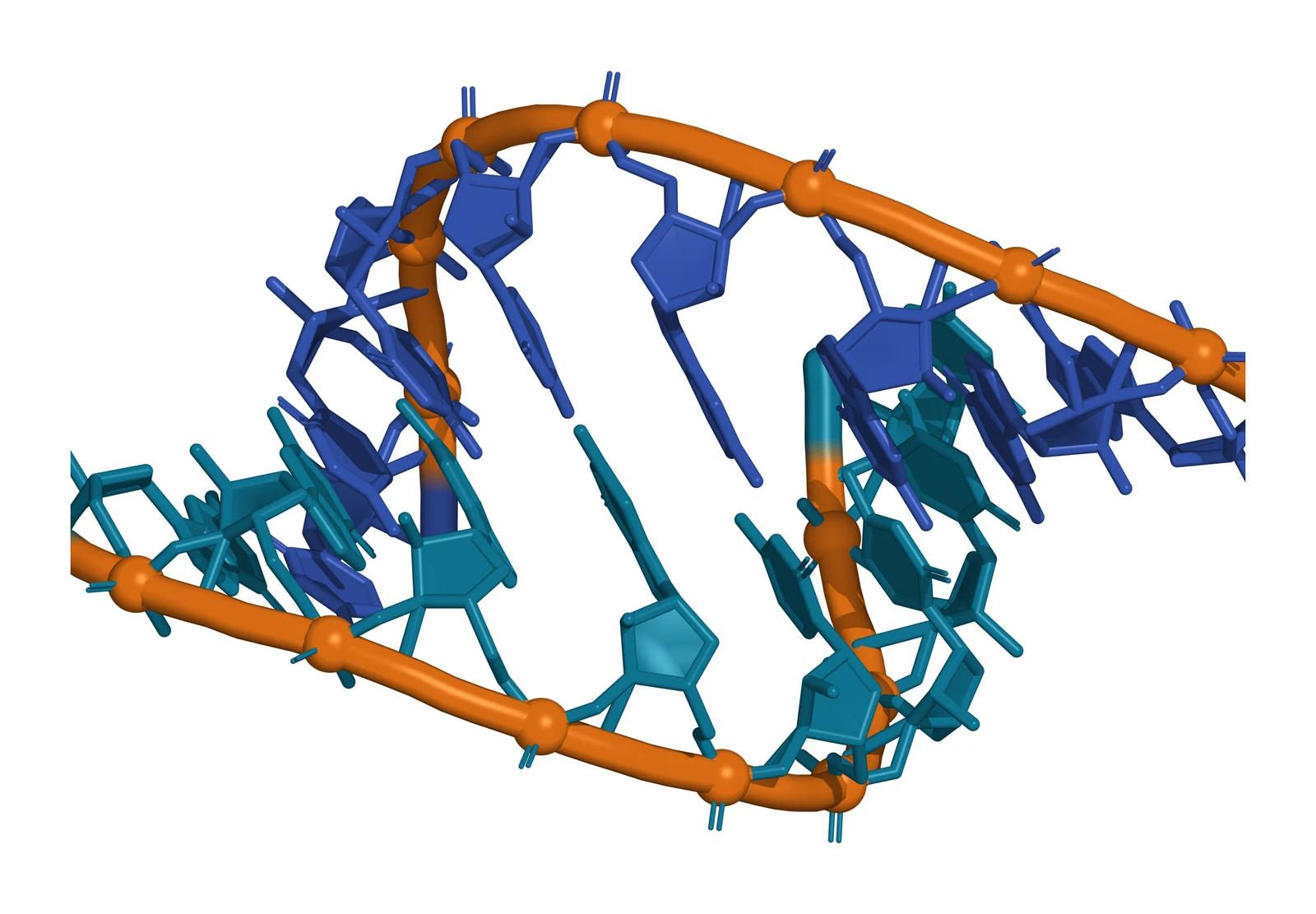
- [6]PDB 1RXB, crystal structure of r(CCCCGGGG). ExaVeyra Sciences, rendered in PyMOL from PDB 1RXB. Structure data: RCSB Protein Data Bank (rcsb.org), CC0. Structure publication: Portmann S, Usman N, Egli M. The crystal structure of r(CCCCGGGG) in two distinct lattices. Biochemistry. 1995;34(22):7569-7575.
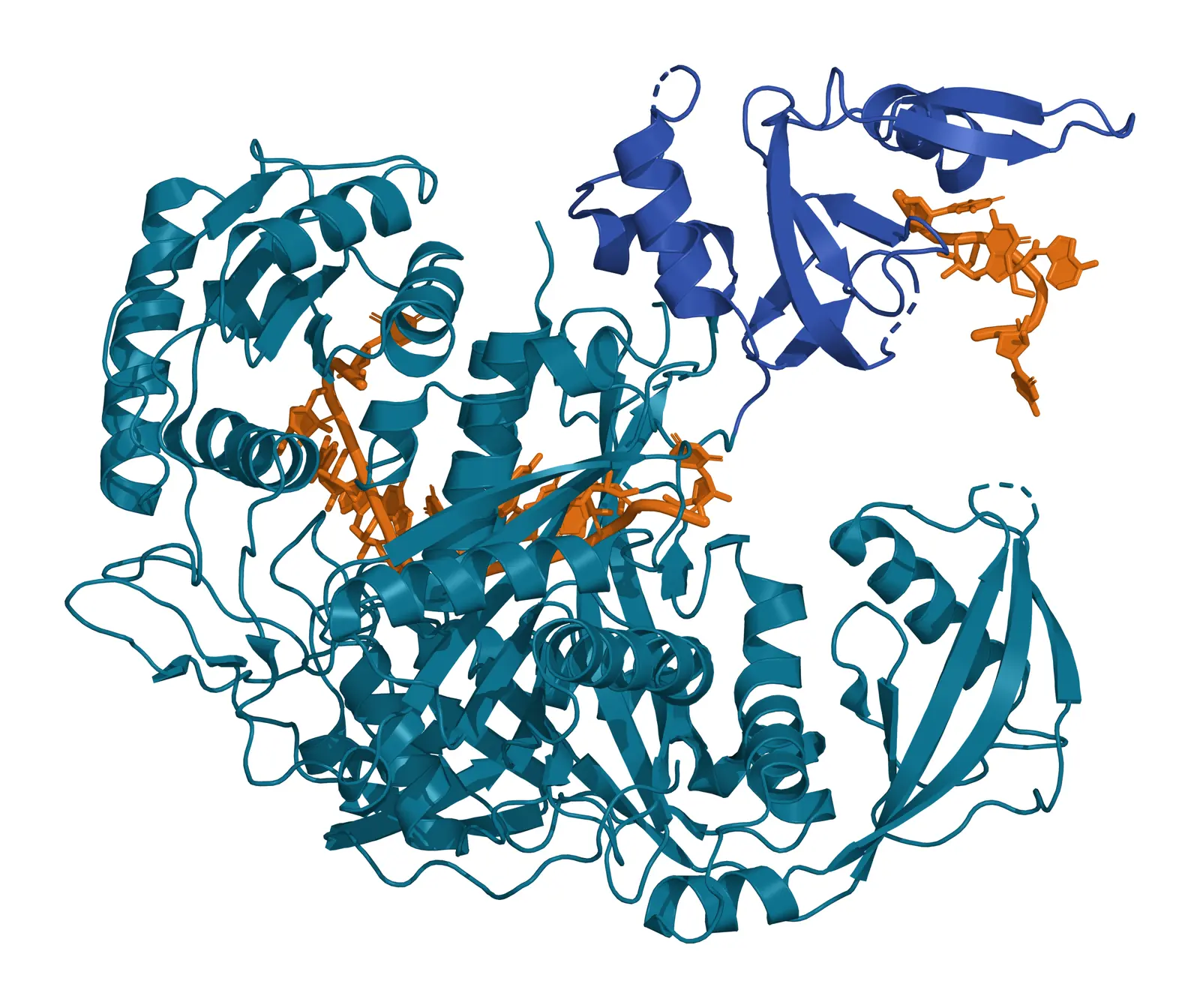
- [7]PDB 4F3T, Human Argonaute2 bound to miR-20a. ExaVeyra Sciences, rendered in PyMOL from PDB 4F3T. Structure data: RCSB Protein Data Bank (rcsb.org), CC0. Structure publication: Elkayam E, Kuhn CD, Tocilj A, et al. The structure of human argonaute-2 in complex with miR-20a. Cell. 2012;150(1):100-110.
These references describe RNA biology and normal cell biology for professional education, and make no statement about the composition of any product. There are no FDA-approved exosome products. Biomolecular signaling vesicle products distributed by ExaVeyra Sciences are supplied for topical aesthetic use by licensed practitioners and for laboratory and IND-authorized clinical research, are not intended to diagnose, treat, cure, mitigate or prevent any disease, and, as secreted cell products, are not tissue products (HCT/Ps) under 21 CFR 1271.3(d)(3).