How Dermatology Practices Use These Products
Dermatology practices apply exosome material topically after in-office procedures and use PRP and peptides within their own protocols. ExaVeyra supplies the products and their documentation; protocol design and patient selection stay with your licensed team.
MSC-derived exosomes are being studied in combination with microneedling and RF treatments. Research into exosome effects on skin biology is an active and growing area.
Exosomes applied topically to the scalp and hairline as an aesthetic procedure, including in practices that also offer hair restoration services. Not intended to diagnose, treat, cure, or prevent any disease or condition.
Exosomes applied topically to the skin after laser, resurfacing, and other in-office procedures.
Exosomes applied topically to the skin after chemical peels.
Platelet-rich plasma the practice prepares in-office alongside dermatology procedures, applied to the skin with the CuraCator applicator.
Bioactive peptides supplied for licensed practitioner use as adjuncts in dermatological protocols. Practitioner-designed programs only.
Regulatory notice
Exosome material. No exosome product is approved, cleared or licensed by the FDA for any use in humans, and statements on this site have not been evaluated by the FDA. Exosome material is supplied to NPI-verified licensed practitioners for topical aesthetic use on the skin surface, including after procedures, as labeled by the manufacturer, and for laboratory research and clinical research conducted under an FDA investigational new drug application. It is not supplied for injection, infusion, inhalation, intranasal, ophthalmic or any other route into the body, and it is not intended to diagnose, treat, cure, mitigate or prevent any disease. Whether, how and in what setting it is used, and whether that use complies with scope of practice and state law, is the licensed practitioner’s responsibility. ExaVeyra Sciences is a supplier: it does not provide medical care, does not consult with patients and takes no part in clinical decisions. Research summaries describe published studies and are not claims about any product.
Compounded preparations. Compounded preparations are not FDA-approved, and the FDA does not verify their safety, effectiveness or quality before they are dispensed. Each preparation is compounded and dispensed by our 503A pharmacy partner, licensed by its state Board of Pharmacy, on a patient-specific prescription from a licensed prescriber; ExaVeyra Sciences does not compound, dispense or prescribe. ExaVeyra makes no claim that any preparation is safe or effective for any condition. Availability depends on the pharmacy’s license in the destination state and on whether the substance may be compounded under federal and state law. Prescribing, patient selection and scope of practice are the responsibility of the licensed prescriber. ExaVeyra Sciences is a supplier: it does not provide medical care, does not consult with patients and takes no part in clinical decisions.
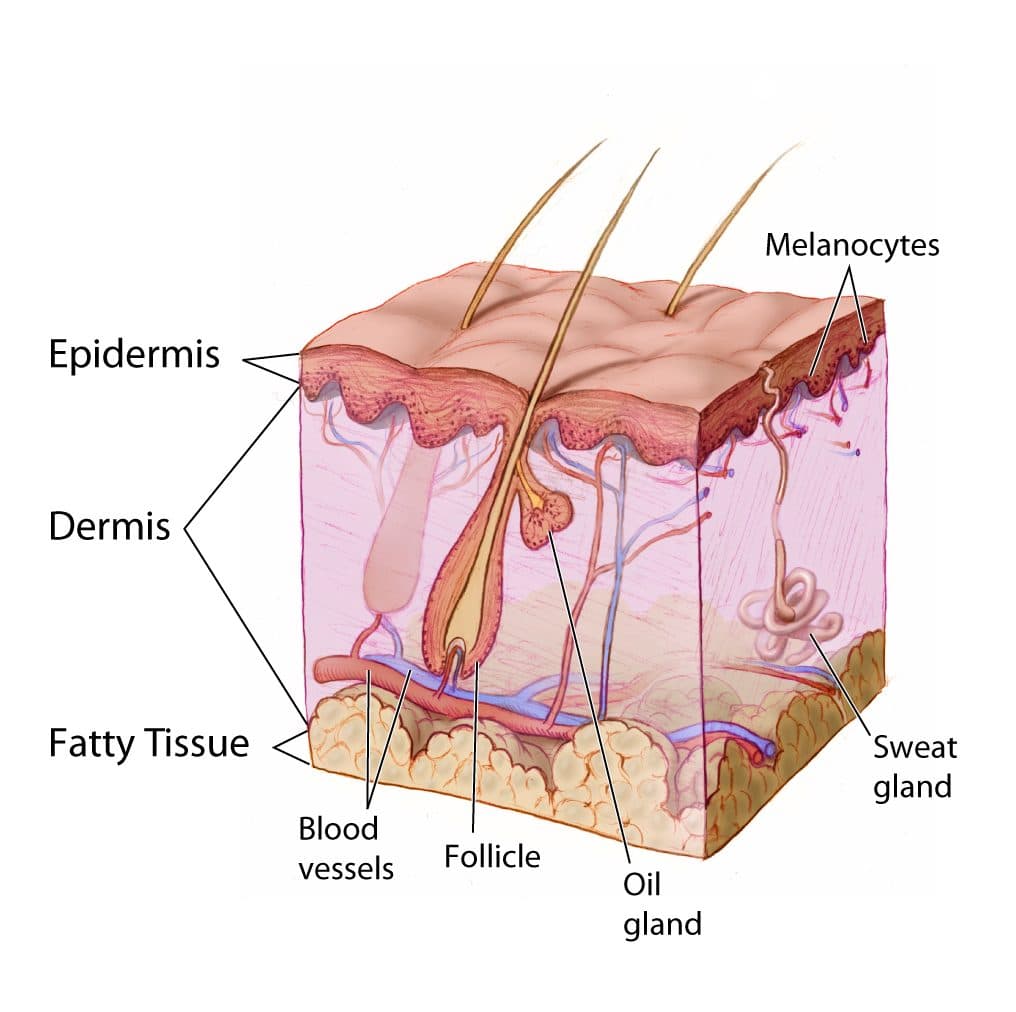
Buying Exosome Material for a Dermatology Suite: What to Check
The certificate of analysis tells you what is in the vial
Ask for the lot certificate before the first order and read four lines: particle count per vial with the method used, particle size range, the marker confirmed by Western blot, and purity by SEC-HPLC. The safety panel follows, covering endotoxin, sterility and mycoplasma. A certificate that lists results without naming its methods is a reason to ask for more documentation.
Freezer capacity sets your order size
The manufacturer's handling instructions set storage at -20°C for the long term and 4°C once thawed. Most dermatology suites have a small pharmaceutical freezer, so order to the space you have and thaw only what the day's procedure list calls for. Recording the lot number in each procedure note keeps every vial traceable.
Formats differ by concentration and formulation
The MSC Exosome Concentrate and its High Load counterpart are topical exosome solutions that differ in vesicle concentration per vial. The Exosome Skincare Serum is a serum formulation that adds hyaluronic acid, amino acids and trehalose. Choosing between them is a formulary decision for your practice, and our team can share each format's documentation side by side.
Exosome material is a topical, post-procedure step
Exosome material is supplied for topical aesthetic use by licensed practitioners, and dermatology practices apply it after microneedling, laser or peel procedures. No exosome product is FDA-approved to diagnose, treat, cure or prevent any disease, so patient materials should describe it as part of the aesthetic procedure. ExaVeyra also supplies the microneedling devices many suites pair with it.
Speak With Our Compliance Team
Our team can walk you through research context, sourcing questions, and regulatory considerations. Select any areas of interest and we'll connect you with the right specialist.
Areas of Interest Check all that apply
All inquiries are reviewed by our compliance and research team. We do not share your information with third parties.
Recommended for Dermatology Practices
Questions and applications are welcome from any practice. NPI verification unlocks pricing and the lot documentation that comes with every product below.
Dermatology practices most often source topical exosome formats and single-use disposables, with 503A preparations through our pharmacy partner where a prescriber writes them. Cold-chain shipping and a certificate of analysis on request come with every exosome order, lot documentation with every product, and questions are welcome before you apply.
MSC-Derived Exosomes
Cell-free topical formulations, supplied frozen for application after microneedling, laser and peel procedures. Lot certificates list particle count, size range, marker identity, purity and the safety panel.
CuraCator Applicator
A sterile, single-use, FDA-listed Class I applicator that spreads a liquid as an even layer on the skin after facial and scalp procedures.
Bioactive Peptides
Peptide protocols for dermatology are compounded in Texas by our partner pharmacy, only on a prescriber's order for a named patient and only for substances eligible for compounding. The formulary and pricing open after NPI verification.
Why Dermatology Practices Order Through ExaVeyra
One Account for the Procedure Room
Exosome material, microneedling devices and the CuraCator applicator are ordered through one NPI-verified account, so a dermatology suite restocks with a single purchase order. The CuraCator can also be bought on its own, with no account.
Documentation Before Pricing
Lot certificates and characterization data are available for review before your practice commits to an order, and a chemist answers documentation questions directly.
Shipped Frozen on Cold Chain
Exosome material ships frozen from the manufacturing facility in temperature-monitored packaging, with lot numbers recorded at dispatch.
Storage Stated Plainly
Keep vials at −20°C until the procedure day and at 4°C after thawing, per the manufacturer's handling instructions. We help size orders to the freezer in your suite.
Prescription Preparations Kept Separate
Compounded 503A preparations are dispensed by our pharmacy partner in Texas, licensed by the Texas State Board of Pharmacy, against a prescription for an identified patient.
Product Language Written Without Claims
Our product descriptions name no disease and make no efficacy claim, so your staff can quote them in patient materials with little rewriting.
Questions from Dermatology Practices
How do dermatology practices buy exosomes wholesale?+
A dermatology practice applies with its NPI, and once the credential is verified the wholesale catalog and pricing open. Lot certificates and characterization data can be reviewed before the first order, and microneedling devices are ordered through the same account.
What do ExaVeyra's biomolecular signaling vesicles contain for dermatology use?+
They are cell-free topical cosmetic formulations of exosomes and other factors from mesenchymal stromal cells, sourced from qualified manufacturers. The skincare serum adds hyaluronic acid, amino acids and trehalose in a serum base. Full product documentation is available from our team.
What documentation comes with dermatology-grade exosomes?+
The certificate for each lot reports vesicle concentration and size distribution, the identity marker from a Western blot, chromatographic purity, total RNA, and the microbial safety results. Read it before ordering, then keep it with the lot number recorded in each treatment record.
Are exosomes for dermatology practices compliantly sourced?+
Qualified partner manufacturers produce the material and document every lot, and ExaVeyra supplies it to dermatology practices for topical aesthetic use by licensed practitioners. No exosome product is FDA-approved to diagnose, treat, cure or prevent any disease. Our compliance team can walk your practice through current sourcing and labeling considerations.
How are wholesale exosomes shipped to a dermatology practice?+
Exosome material ships frozen from the manufacturing facility in temperature-monitored packaging, with lot numbers recorded at dispatch. Unpack it straight into the suite's freezer at −20°C, and move a vial to 4°C only on the day it is thawed. Ask our logistics team for delivery timelines to your state.
Image credits
- Fig. 1Don Bliss (artist), National Cancer Institute, Wikimedia Commons, Public domain. ↩
- Fig. 2Gustavo Fring, Pexels, Pexels License. ↩