Growth Hormone Secretagogues: CJC-1295, Ipamorelin, Ibutamoren
Controlled human research has been published, whatever it concluded.
These three are usually discussed separately and are best understood together. All raise growth hormone output, none does it the same way, and one is not a peptide at all.
The useful comparison is against the drugs that already act on this axis and are approved, because their existence removes the usual excuse for a thin evidence base. This is an evidence summary, not a product page. ExaVeyra does not offer any of these for sale.
Also known as: CJC-1295, ipamorelin, ibutamoren, MK-677, GH secretagogues.
Three different molecules, one axis
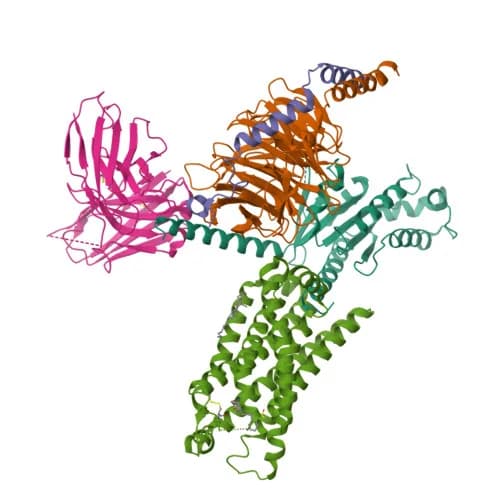
Growth hormone release is controlled by two opposing hypothalamic signals, growth hormone releasing hormone and somatostatin, plus a third input through the growth hormone secretagogue receptor, whose natural ligand is ghrelin. A molecule can therefore raise growth hormone by imitating GHRH, by acting at the ghrelin receptor, or by interfering with the brake. These three take the first two routes.
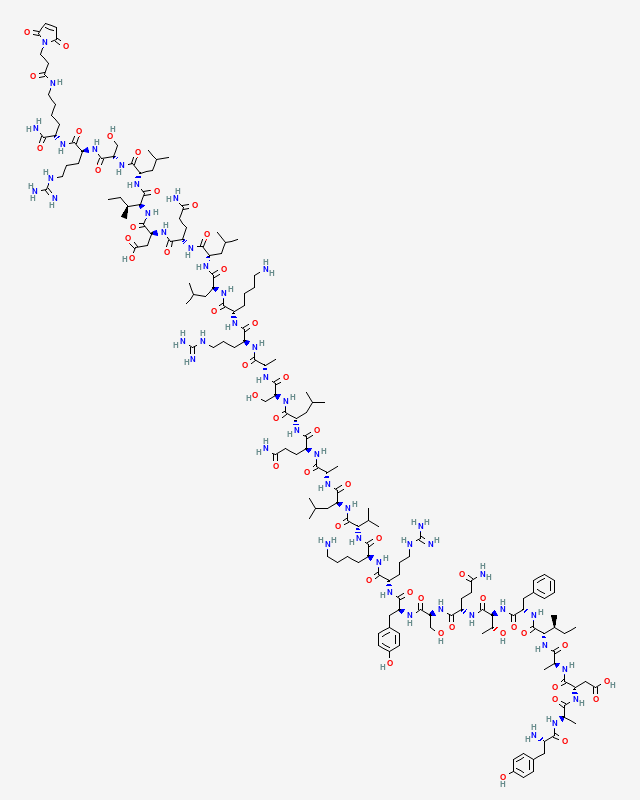
- CJC-1295 is a GHRH analog, a modified version of the natural releasing hormone designed to resist the enzymes that would clear it quickly.
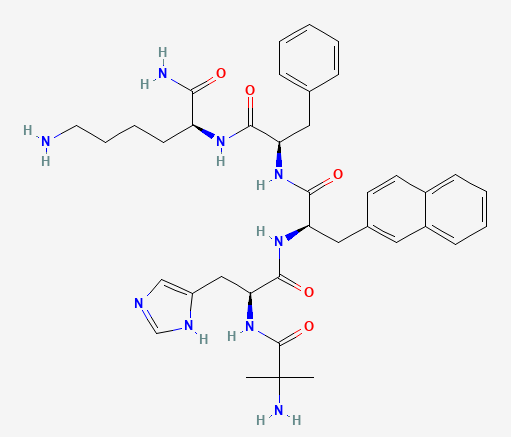
- Ipamorelin is a synthetic agonist at the growth hormone secretagogue receptor, the ghrelin receptor, and contains unnatural amino acids.
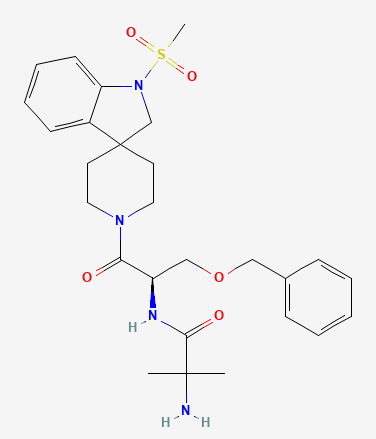
- Ibutamoren, also called MK-677, is an orally active non-peptide agonist at the same receptor ipamorelin targets. It is a small molecule, not a peptide, despite being sold alongside them.
That last distinction matters for more than taxonomy. A non-peptide small molecule has different absorption, a different duration of action and a different safety profile from an injected peptide, and grouping it under "peptides" in a catalog obscures all three.
The approved comparators
This axis is not unexplored territory, which is what makes the evidence gap on these three conspicuous rather than expected. Tesamorelin is an FDA-approved GHRH analog, the same mechanistic class as CJC-1295, and its randomized trials in HIV-associated lipodystrophy have been meta-analyzed for body composition, hepatic fat and safety outcomes. Macimorelin is an approved diagnostic agent acting at the growth hormone secretagogue receptor, the same target as ipamorelin, and anamorelin, acting at that receptor, is approved in Japan for cancer cachexia.
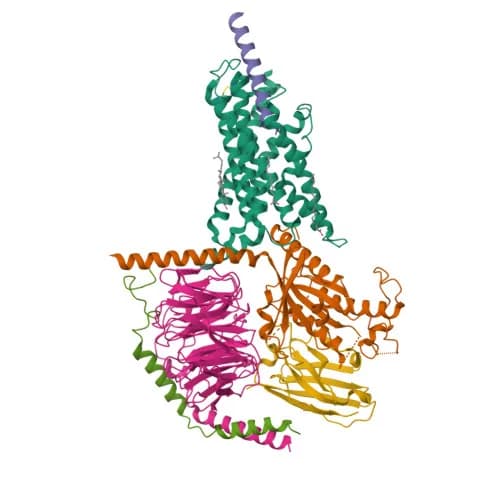
So for both mechanisms represented here there is an approved drug, developed to a regulatory standard, with published trials. The question a practitioner should ask is not whether the axis can be manipulated usefully, which is settled, but why a compounded analog would be preferred to a characterized product with an evidence base.
Sermorelin occupies the middle. It is a GHRH fragment that was approved in the United States and subsequently withdrawn from the market, which is why it is frequently described as approved when compounded versions are discussed. Withdrawn is not the same as currently approved, and it is not the same as never evaluated either. Anyone relying on that history should confirm the current regulatory status and the reason for withdrawal directly rather than taking either from a supplier.
What is known about each
Ibutamoren has the most human data of the three, and it is the least reassuring. A randomized, placebo-controlled phase II trial in patients recovering from hip fracture was terminated early. FDA cites that termination directly, describing a potential safety signal of congestive heart failure, and it is the reason ibutamoren appears on the category 2 list under both 503A and 503B.
Ipamorelin has been studied in humans, including intravenously for gastric motility, and FDA’s entry records serious adverse events including death in that setting. CJC-1295 has the least human data of the three; the literature is dominated by pharmacokinetic and mechanistic work rather than by outcome trials.
Specialty reviews published in 2026 in Sports Medicine, the American Journal of Sports Medicine and JAAOS Global Research and Reviews group all three with other unapproved injectable agents and describe the evidence as insufficient to support use. Those reviews exist because clinicians are being asked about these compounds by patients who encountered them elsewhere first.
- Ibutamoren: human trial data exists and includes an early termination for a heart failure signal.
- Ipamorelin: human exposure recorded, with serious adverse events including death by the intravenous route.
- CJC-1295: least human data of the three.
- Approved alternatives acting on the same axis exist for both mechanisms represented here.
Regulatory position
FDA placed all three in category 2 of its interim policy on bulk drug substances for compounding under section 503A, meaning FDA identified significant safety risks. The 503A nominations for CJC-1295 and ipamorelin were withdrawn by the nominators in April 2026, so FDA now carries both under nominations withdrawn, which leaves them on no 503A list; ipamorelin remains in category 2 under the 503B interim policy, and ibutamoren remains in category 2 under both. The rationales differ substantially between them and are reproduced in full below rather than summarized, because the differences are the informative part.
“Compounded drugs containing CJC-1295 may pose risk for immunogenicity for certain routes of administration and may have complexities with regard to for peptide-related impurities and API characterization. FDA has identified serious adverse events associated with CJC-1295 including increased heart rate and systemic vasodilatory reaction. Available clinical data are limited.”
FDA source , checked 2026-09-16
“Compounded drugs containing Ipamorelin acetate may pose risk for immunogenicity for certain routes of administration due to the potential for aggregation or peptide-related impurities. Ipamorelin acetate also contains unnatural amino acids, which add to the complexity of peptide characterization. A study published in literature identified serious adverse events including death when ipamorelin was administered intravenously for improving gastric motility. FDA has not identified safety-related information regarding ipamorelin acetate via certain other injectable routes of administration. The agency lacks sufficient information to know whether the drug would cause harm if administered to humans via those routes.”
FDA source , checked 2026-09-16
“Ibutamoren mesylate poses significant safety risks due to the potential for congestive heart failure in certain patients. The agency is aware of a randomized, placebo-controlled trial assessing ibutamoren mesylate for the treatment of patients recovering from hip fracture that “was terminated early due to a potential safety signal of congestive heart failure.””
FDA source , checked 2026-09-16
Read together the three are not equivalent. The CJC-1295 entry describes absent information. The ipamorelin and ibutamoren entries describe events: deaths in one case, a trial stopped early in the other. Treating "category 2" as a single undifferentiated label loses that, which is why this page quotes each in full rather than summarizing the group.
FDA revises this list. The access date appears with each quotation.
Common questions
- Are CJC-1295, ipamorelin and ibutamoren the same kind of molecule?
- No. All three raise growth hormone output, none does it the same way, and ibutamoren is not a peptide. CJC-1295 is a growth hormone releasing hormone analog. Ipamorelin acts at the growth hormone secretagogue receptor whose natural ligand is ghrelin. Ibutamoren is an orally active small molecule acting at that same receptor.
- What is the safety signal associated with ibutamoren?
- A randomized, placebo-controlled phase II trial in patients recovering from hip fracture was terminated early. FDA cites that termination directly and describes a potential safety signal of congestive heart failure. Ibutamoren has the most human data of the three, and that data is the least reassuring of the three.
- Is there an approved drug acting on this axis?
- Yes, which is what makes the evidence gap conspicuous rather than expected. Tesamorelin is an FDA-approved analog in the same mechanistic class as CJC-1295, carrying randomized trials in HIV-associated lipodystrophy. An approved comparator removes the argument that this axis is simply unexplored territory.
- Do the three share a single FDA rationale?
- No, and the differences are the informative part. The rationales are reproduced in full on this page rather than summarized, because the CJC-1295 entry describes absent information while the others describe different concerns. Read together, they show the three are not equivalent.
- Does ExaVeyra supply these substances?
- No. ExaVeyra does not supply CJC-1295, ipamorelin or ibutamoren, and this page is not an offer to sell them. The three are covered together because they are marketed as broadly interchangeable, and the differences between their evidence and their FDA rationales are the part that matters.
Sources
Every source is peer-reviewed and published within the last fifteen years. Each line states what that source is carrying, so nothing is here to pad a count.
- Badran AS, Helal A, Shata KS. Body composition, hepatic fat, metabolic, and safety outcomes of tesamorelin, a GHRH analogue, in HIV-associated lipodystrophy: a meta-analysis of randomized controlled trials. Obesity Research and Clinical Practice. 2026.PMID 41545261
Meta-analysis
Source 1 supports: The approved GHRH analogue comparator, with meta-analyzed randomized evidence.
- Russo SC, Ockene MW, Arpante AK. Efficacy and safety of tesamorelin in people with HIV on integrase inhibitors. AIDS. 2024.PMID 38905488
Randomized controlled trial38 participants
Source 2 supports: Current clinical work on the approved analogue in its licensed indication.
- Wang RL, Sun J, Liu H. Molecular recognition of two approved drugs macimorelin and anamorelin by the growth hormone secretagogue receptor. Acta Pharmacologica Sinica. 2025.PMID 40542284
Clinical study
Source 3 supports: That approved drugs already act at the receptor ipamorelin and ibutamoren target.
- Adunsky A, Chandler J, Heyden N. MK-0677 (ibutamoren mesylate) for the treatment of patients recovering from hip fracture: a multicenter, randomized, placebo-controlled phase IIb study. Archives of Gerontology and Geriatrics. 2011.PMID 21067829
Randomized controlled trial62 participants
Source 4 supports: The randomized trial FDA cites when describing the congestive heart failure signal.
- Sinha DK, Balasubramanian A, Tatem AJ. Beyond the androgen receptor: the role of growth hormone secretagogues in the modern management of body composition in hypogonadal males. Translational Andrology and Urology. 2020.PMID 32257855
Narrative review
Source 5 supports: A clinical review of the secretagogue class in the use case it is marketed for.
- Perelló M, Dickson SL, Zigman JM. Toward a consensus nomenclature for ghrelin, its non-acylated form, liver expressed antimicrobial peptide 2 and growth hormone secretagogue receptor. Journal of Neuroendocrinology. 2023.PMID 36580314
Consensus statement
Source 6 supports: The receptor and ligand system described in the identity section.
- Nishie K, Sato S, Hanaoka M. Anamorelin for cancer cachexia. Drugs of Today. 2022.PMID 35274629
Narrative review
Source 7 supports: A second approved agent at the same receptor, in a different jurisdiction.
- Tokudome T, Otani K, Miyazato M. Ghrelin and the heart. Peptides. 2019.PMID 29791869
Narrative review
Source 8 supports: Cardiac effects of the pathway, relevant to the ibutamoren safety signal.
- Mendias CL, Awan TM. Safety and efficacy of approved and unapproved peptide therapies for musculoskeletal injuries and athletic performance. Sports Medicine. 2026.PMID 41966639
Narrative review
Source 9 supports: The specialty assessment grouping these with other unapproved agents.
- Mayfield CK, Bolia IK, Feingold CL. Injectable peptide therapy: a primer for orthopedic and sports medicine physicians. The American Journal of Sports Medicine. 2026.PMID 41476424
Narrative review
Source 10 supports: Why the specialty is publishing primers rather than trial results.
- Rahman OF, Lee SJ, Seeds WA. Therapeutic peptides in orthopedics: applications, challenges, and future directions. JAAOS Global Research and Reviews. 2026.PMID 41490200
Narrative review
Source 11 supports: Where secretagogues sit among peptides being discussed clinically.
- Renke G, Chinellato L. Therapeutic peptides in aesthetic, metabolic and endocrine conditions: effects, safety, clinical applications, and future perspectives. International Journal of Molecular Sciences. 2026.PMID 42123471
Narrative review
Source 12 supports: A recent survey covering the metabolic and endocrine uses claimed for this class.
Figure sources
- [1]PubChem CID 91971820, CJC-1295. National Center for Biotechnology Information, PubChem. Public domain.
- [2]PubChem CID 9831659, Ipamorelin. National Center for Biotechnology Information, PubChem. Public domain.
- [3]PubChem CID 178024, Ibutamoren. National Center for Biotechnology Information, PubChem. Public domain.
- [4]PDB 7CZ5, Growth hormone-releasing hormone receptor. RCSB Protein Data Bank (rcsb.org). Image released under CC0. Structure publication: Zhou F, et al. Structural basis for activation of the growth hormone-releasing hormone receptor. Nat Commun. 2020.
- [5]PDB 7NA8, Ghrelin receptor bound to ibutamoren. RCSB Protein Data Bank (rcsb.org). Image released under CC0. Structure publication: Liu H, et al. Structural basis of human ghrelin receptor signaling by ghrelin and the synthetic agonist ibutamoren. Nat Commun. 2021.
Related
- BPC-157: what the evidence actually shows
- 503A and 503B compounding explained
- Compounded hormone formulations
Reviewed 2026-08-16 by Benn Bluestein-Veyra, M.Sc. Organic Chemistry. This page is an evidence summary, not medical advice, and not an offer to sell. ExaVeyra does not supply Growth hormone secretagogues. Compounded medications are not FDA-approved finished drug products.