The Biochemistry of MSC-Derived Biomolecular Signaling Vesicles
Exosomes are nano-scale extracellular vesicles, 30 to 150 nanometers in diameter, secreted by mesenchymal stem cells as one route of paracrine communication between cells.[1][2] They carry a defined cargo of proteins, microRNA, messenger RNA, and signaling lipids.[3][4][5] ExaVeyra supplies cGMP-manufactured biomolecular signaling vesicles for topical aesthetic use by licensed practitioners and for laboratory and IND-authorized clinical research.
How MSC-Derived Vesicles Are Formed and Characterized
Vesicle biogenesis begins with inward budding of the endosomal membrane to form intraluminal vesicles within multivesicular bodies.[2][6] Fusion of the multivesicular body with the plasma membrane releases these vesicles into the extracellular space (Fig. 1a).[6] The pathway is governed by the ESCRT machinery, with key contributions from Tsg101, Alix, and Syntenin-1, alongside an ESCRT-independent route that relies on ceramide.[2][7][8] Cargo selection occurs during intraluminal vesicle formation and depends on the metabolic state of the parent cell.[4][9][10]
Analytical Characterization
HPLC, RNA quantification assay, and NanoSight NTA confirm exosome identity and formulation integrity on every lot documented in the certificate of analysis.
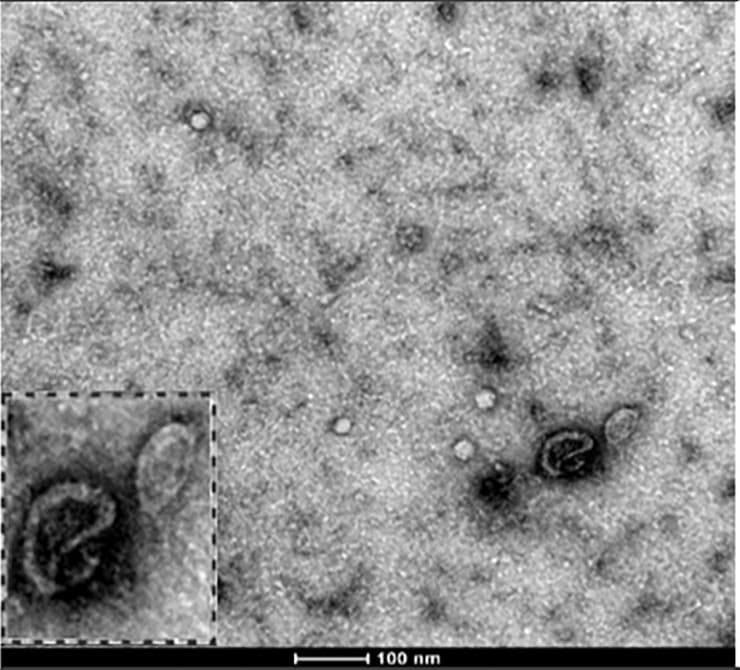
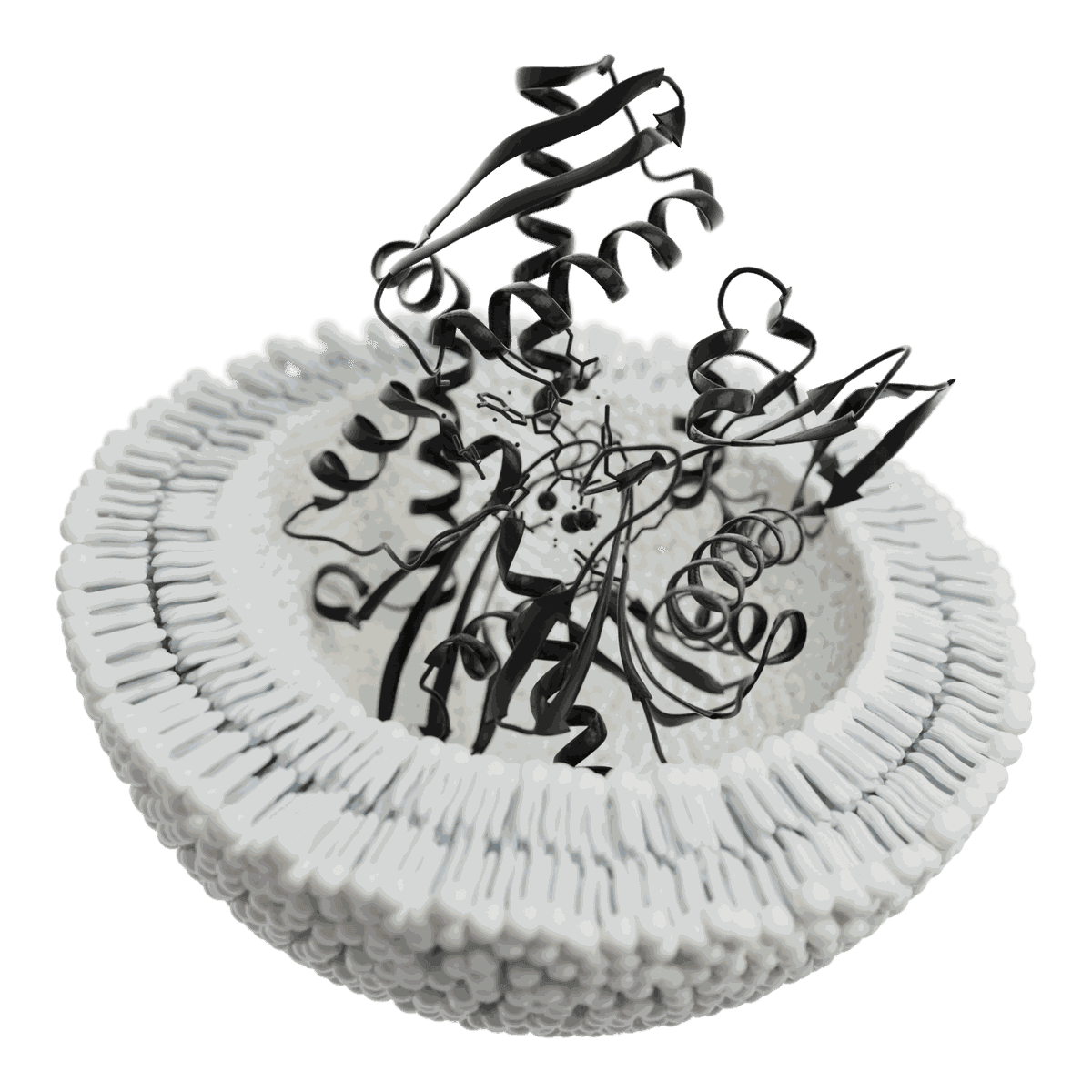
Fig. 1 | Vesicle structure and protein cargo.
MicroRNA Cargo Profile
Characterized miRNA species include miR-21, the miR-29 family, miR-125b, miR-126, miR-143, miR-145, miR-146a, and the let-7 family.[14][15][16][17] These regulatory RNAs are studied for their roles in gene expression modulation in recipient cells across multiple research contexts.[3][15]
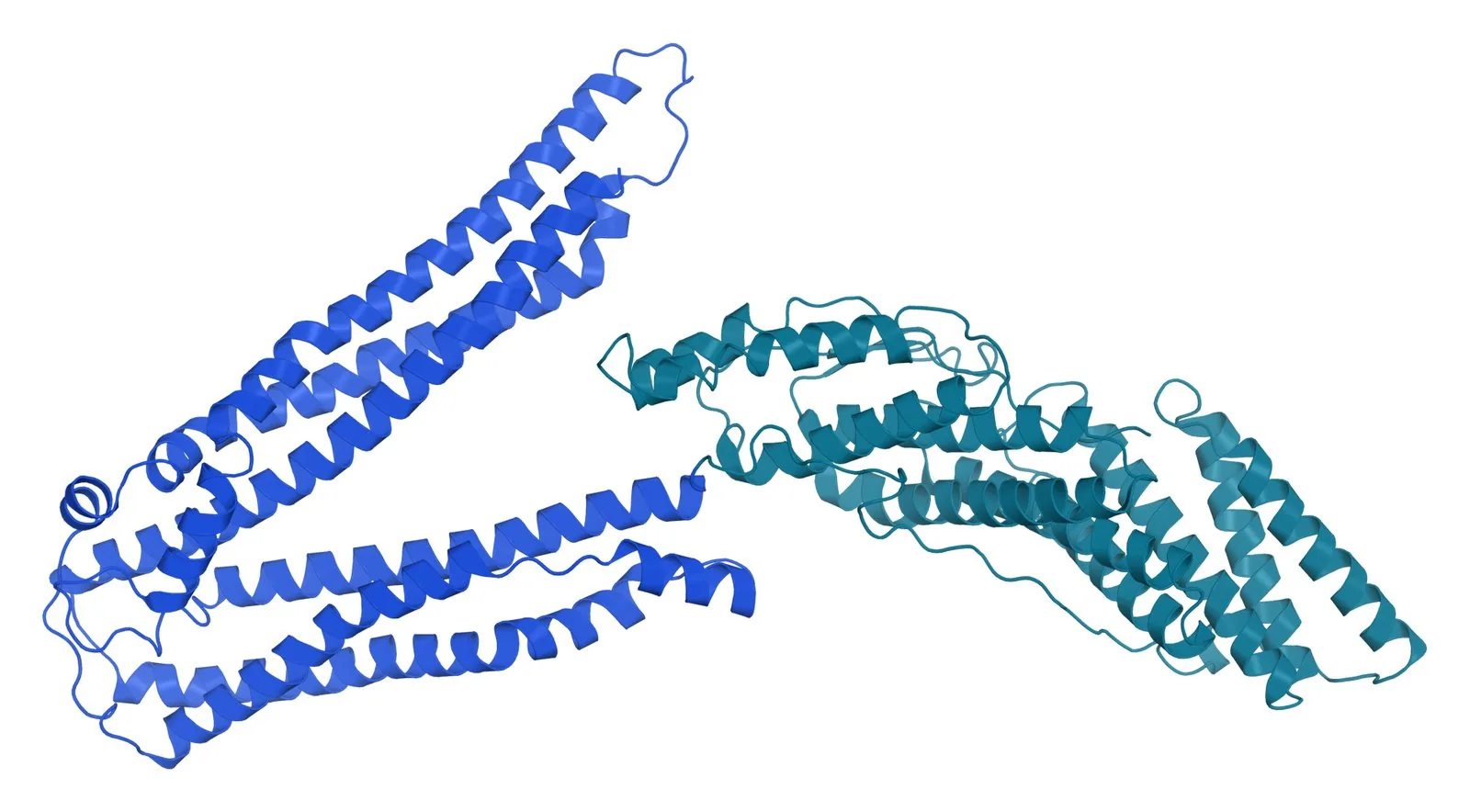
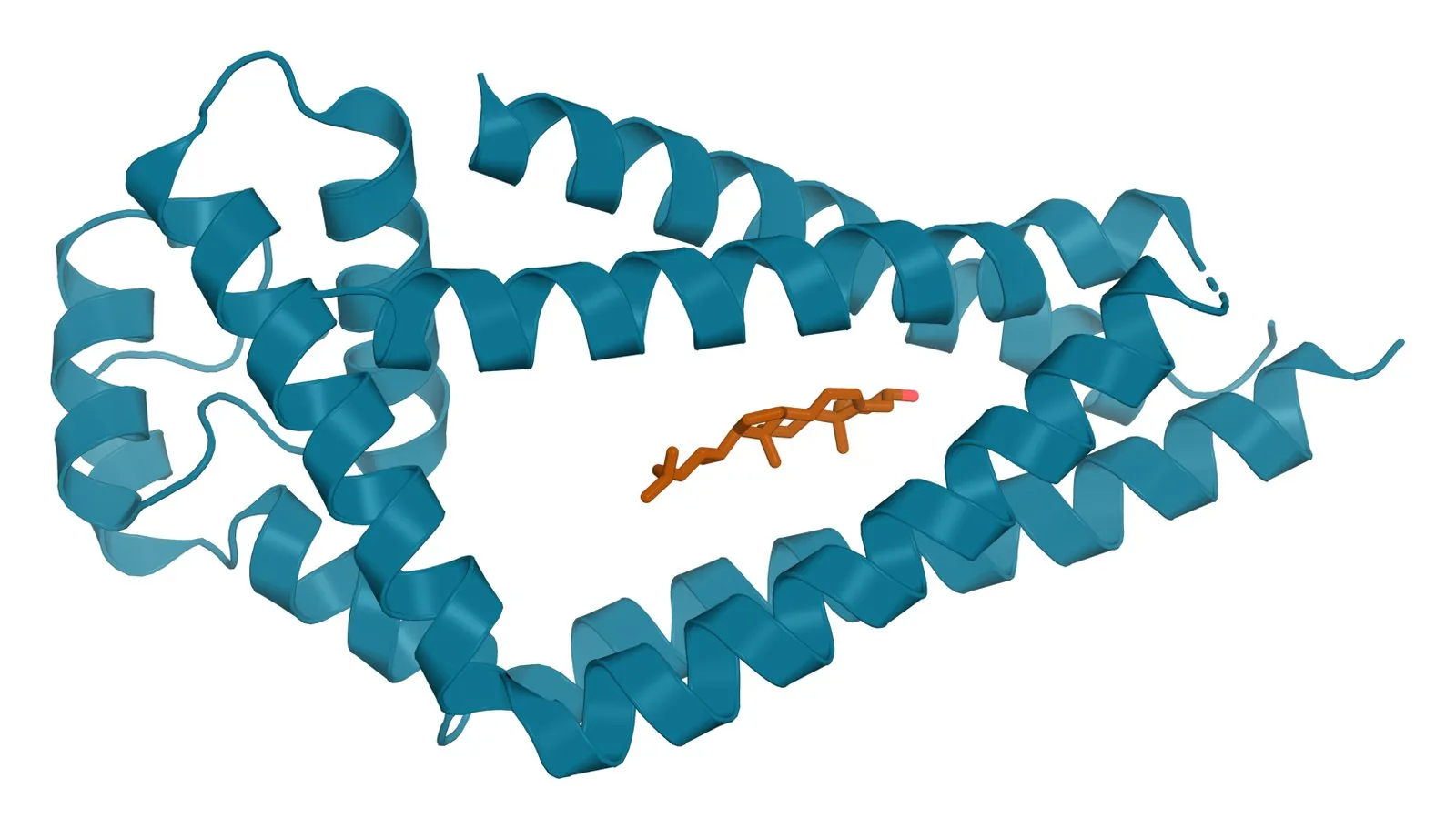
Fig. 2 | ALIX (Bro1 and V domains) and Tetraspanin CD81 with cholesterol.
Figure sources
- 34.PDB 2OEV, ALIX (Bro1 and V domains). ExaVeyra Sciences, rendered in PyMOL from PDB 2OEV. Structure data: RCSB Protein Data Bank (rcsb.org), CC0. Structure publication: Fisher RD, Chung HY, Zhai Q, et al. Structural and biochemical studies of ALIX/AIP1 and its role in retrovirus budding. Cell. 2007;128(5):841-852.
- 35.PDB 5TCX, Tetraspanin CD81 with cholesterol. ExaVeyra Sciences, rendered in PyMOL from PDB 5TCX. Structure data: RCSB Protein Data Bank (rcsb.org), CC0. Structure publication: Zimmerman B, Kelly B, McMillan BJ, et al. Crystal structure of a full-length human tetraspanin reveals a cholesterol-binding pocket. Cell. 2016;167(4):1041-1051.e11.
Eight Properties Characterized in Peer-Reviewed Research
The biological properties listed below describe active areas of published research on MSC-derived biomolecular signaling vesicles. Each summary references research models and pathway mechanisms described in the peer-reviewed literature cited on this page. None of the summaries below constitute efficacy claims, and ExaVeyra Sciences does not make clinical efficacy claims for any product in its catalog.
Anti-Inflammatory Activity
MSC-derived vesicles carry signaling cargo studied for modulation of pro-inflammatory cytokine cascades, including IL-1β, IL-6, and TNF-α.[19][20] Research models examine NF-κB pathway attenuation and macrophage phenotype shifts toward an M2 profile.[21][22]
Antioxidant Capacity
Vesicle cargo includes proteins and miRNA species associated with reactive oxygen species regulation, glutathione peroxidase activity, and Nrf2 pathway signaling in published in vitro and animal models.[20][23]
Anti-Apoptotic Signaling
Research describes effects on Bcl-2 family protein expression and caspase cascade modulation.[22][24] Studied in models of ischemic injury, hypoxic stress, and senescence-associated cell death.[17][22][24]
Anti-Fibrotic Effects
miR-29 family members and other vesicle-associated regulators of collagen synthesis are characterized in extracellular matrix remodeling research,[15][25] including renal, hepatic, and dermal fibrosis models.[26][27][28]
Immunomodulation
Surface proteins and miRNA cargo are studied for effects on regulatory T-cell populations, dendritic cell maturation, and cytokine balance in autoimmune and inflammatory research contexts.[16][19]
Pro-Angiogenic Signaling
VEGF and miR-126 family expression in vesicle cargo are described in published research on endothelial cell proliferation, tube formation assays, and tissue vascularization models.[9][24][29]
Research Context Only. The summaries above describe active research fields. They do not constitute efficacy claims. Practitioners should consult current FDA guidance and applicable regulations before clinical use.
How Practitioners Use Biomolecular Signaling Vesicles
Clinics, medspas, dermatology practices, orthopedic surgeons, longevity physicians, and research institutions across the United States access the ExaVeyra catalog for topical aesthetic use and for laboratory and IND-authorized clinical research. Below are the specialty workflows supported by our wholesale program.
Aesthetic Medicine and Medspas
Topical application protocols for biomolecular signaling vesicles are used in post-microneedling, post-laser, and complexion restoration workflows. Research areas include UV-induced photoaging, fibroblast activity, and dermal matrix biology.[20][25][31]
Dermatology
Published reviews describe topical vesicle application as a new, minimally invasive addition to regenerative aesthetic practice.[32]
Regenerative Medicine Clinics
MSC-derived vesicles are studied in regenerative research and supplied for topical aesthetic use, and IND-supported studies can request material and lot documentation subject to the manufacturer's authorization.
Orthopedic and Sports Medicine
Supply for these practices covers exosome formulations for topical aesthetic use, shockwave units and lot documentation.
Longevity and Functional Medicine
Vesicle biology research intersects with cellular senescence and mitochondrial function studies.[10][17] Catalog includes NAD+, glutathione, and 503A small molecule formulations for IV and IM protocols.
Hair Restoration and Trichology
Research models examine vesicle effects on dermal papilla cells, Wnt/beta-catenin signaling, and follicle biology.[33] Active comparative trials include exosome and PRP protocols (NCT06239207).
cGMP Manufacturing, COA Per Lot on Request, Full Traceability
Every biomolecular signaling vesicle product in the ExaVeyra catalog comes from cGMP-compliant manufacturing facilities operating under 21 CFR Part 211. Characterization follows the MISEV 2023 framework for minimal information for studies of extracellular vesicles.[12] A certificate of analysis is issued for every lot and provided on request. It covers HPLC, RNA quantification assay, NanoSight NTA characterization, sterility, and endotoxin results.
cGMP Manufacturing
All biologics produced in GMP-compliant facilities with documented quality systems, validated cleanrooms, and established analytical methods.
COA Per Lot, On Request
Certificates of analysis cover HPLC, RNA quantification assay, NanoSight NTA characterization, sterility, and endotoxin levels.
Chemist Verification
Every product is reviewed by our founder, an M.Sc. organic chemist with a background in nucleotide process chemistry and analytical method development.
Cold-Chain Shipping
Material ships frozen on dry ice (Fig. 3a) by overnight carrier, in temperature-monitored packaging (Fig. 3b).
Lot Traceability
Every shipment is tracked from manufacturing through cold-chain fulfillment to clinic delivery, supporting institutional audit and protocol documentation requirements.
NPI-Verified Access
Wholesale access is restricted to licensed healthcare providers with a valid NPI. Applications reviewed within 1 to 3 business days with dedicated account manager assignment.
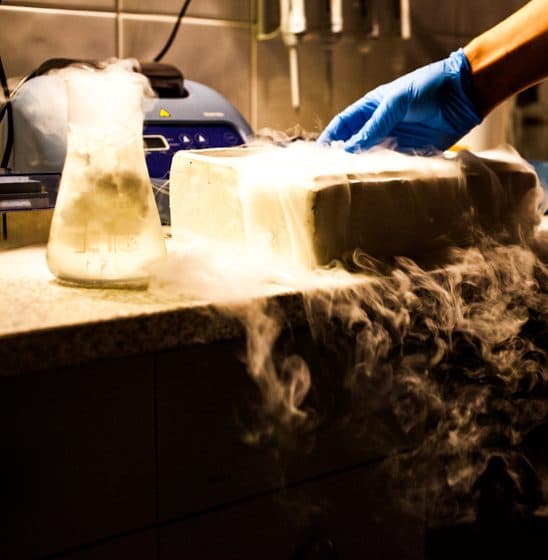
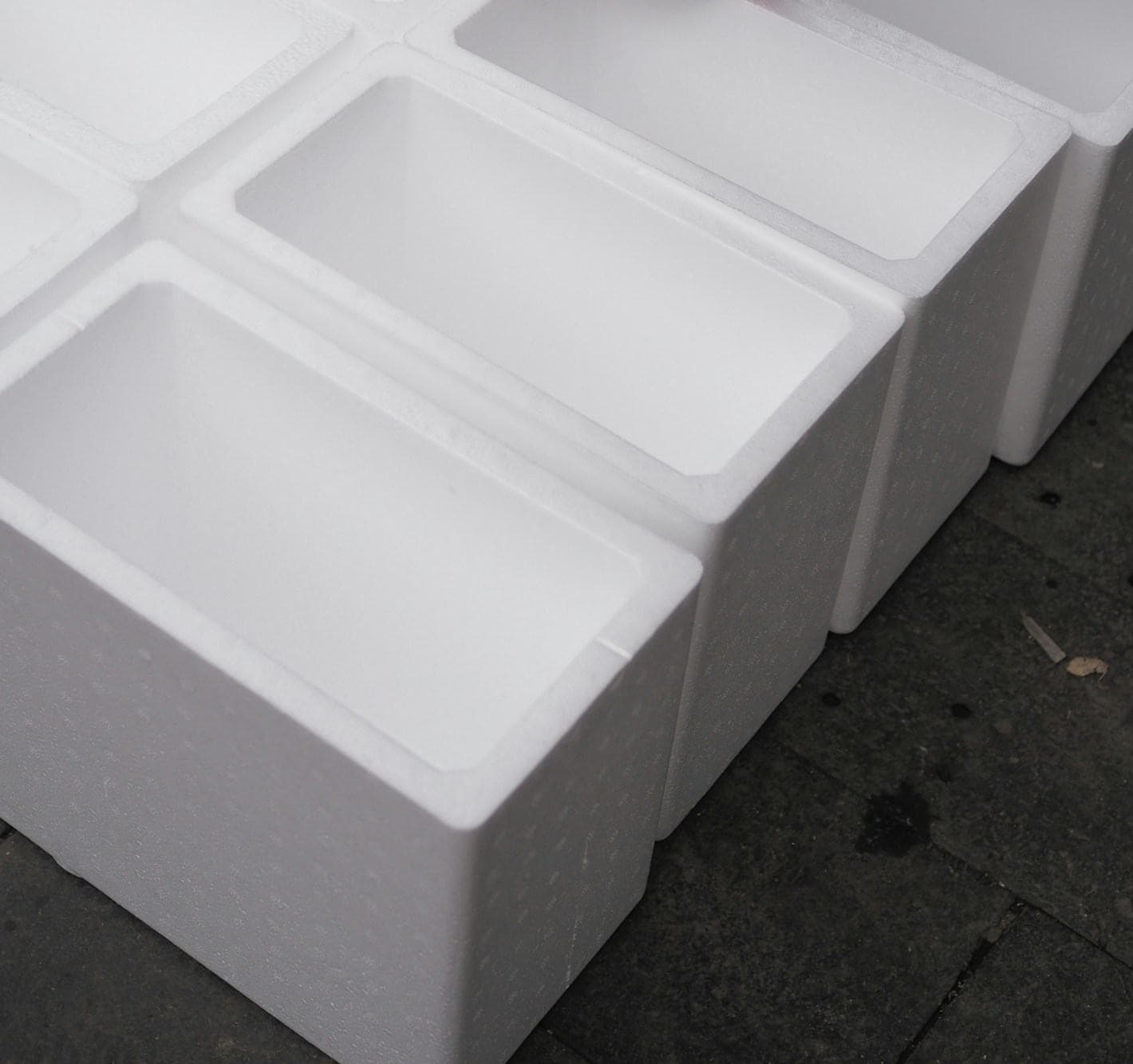
Fig. 3 | Cold-chain shipping.
Vesicle Formats Available for Wholesale Partners
The ExaVeyra catalog supplies Kimera Labs biomolecular signaling vesicles as advanced liquid, cell-free topical cosmetic formulations, plus companion biologics for integrated practice workflows. Source tissue and storage requirements vary by SKU. Full lot characterization is available on request after NPI verification.
Liquid Vesicle Preparations
Ready-to-use liquid formulations characterized by HPLC, RNA quantification assay, and NanoSight NTA. Cold-chain shipping with temperature monitoring. Storage −20°C long term; 4°C once thawed, per the manufacturer’s handling instructions.
Perinatal MSC Composition
Proteins, enzymes, growth factors, and exosomes from perinatal MSCs. Single donor placental source with no animal or human serum. Cell-free topical cosmetic formulation.
IND Study and Research Supply
Wharton's jelly material is supplied only for laboratory research and sponsor-held IND studies, subject to the manufacturer's authorization, with lot documentation. For an IND study, the IND number, sponsor details and protocol are required before any supply. Exosome material is also available for laboratory and IND-authorized research.
Annotated References
- 1.Peer-reviewedLai RC, Yeo RW, Lim SK. Mesenchymal stem cell exosomes. Seminars in Cell and Developmental Biology. 2015;40:82-88. https://pubmed.ncbi.nlm.nih.gov/25765629/Annotation: Review of MSC exosome biogenesis and function. Cited for MSCs acting through their secreted exosomes as a paracrine product.
- 2.Peer-reviewedColombo M, Raposo G, Théry C. Biogenesis, secretion, and intercellular interactions of exosomes and other extracellular vesicles. Annual Review of Cell and Developmental Biology. 2014;30:255-289. https://pubmed.ncbi.nlm.nih.gov/25288114/Annotation: Review of vesicle biogenesis. Cited for intraluminal vesicle formation in multivesicular bodies and the ESCRT machinery, including Tsg101 and Alix.
- 3.Peer-reviewedValadi H, Ekström K, Bossios A, et al. Exosome-mediated transfer of mRNAs and microRNAs is a novel mechanism of genetic exchange between cells. Nature Cell Biology. 2007;9(6):654-659. https://pubmed.ncbi.nlm.nih.gov/17486113/Annotation: Mast cell line study of exosome RNA. Cited for exosomes carrying mRNA and microRNA that can be transferred to and act in recipient cells.
- 4.Peer-reviewedAnderson JD, Johansson HJ, Graham CS, et al. Comprehensive Proteomic Analysis of Mesenchymal Stem Cell Exosomes Reveals Modulation of Angiogenesis via Nuclear Factor-KappaB Signaling. Stem Cells. 2016;34(3):601-613. https://pubmed.ncbi.nlm.nih.gov/26782178/Annotation: Proteomic study of MSCs and their exosomes. Cited for the exosome proteome, including fibroblast growth factor, shifting with the culture conditions of the parent cell.
- 5.Peer-reviewedSkotland T, Sandvig K, Llorente A. Lipids in exosomes: Current knowledge and the way forward. Progress in Lipid Research. 2017;66:30-41. https://pubmed.ncbi.nlm.nih.gov/28342835/Annotation: Review of exosome lipids. Cited for the enrichment of phosphatidylserine, sphingomyelin and cholesterol in exosome membranes.
- 6.Peer-reviewedvan Niel G, D'Angelo G, Raposo G. Shedding light on the cell biology of extracellular vesicles. Nature Reviews Molecular Cell Biology. 2018;19(4):213-228. https://pubmed.ncbi.nlm.nih.gov/29339798/Annotation: Review of extracellular vesicle cell biology. Cited for inward budding into multivesicular bodies and their fusion with the plasma membrane to release exosomes.
- 7.Peer-reviewedBaietti MF, Zhang Z, Mortier E, et al. Syndecan-syntenin-ALIX regulates the biogenesis of exosomes. Nature Cell Biology. 2012;14(7):677-685. https://pubmed.ncbi.nlm.nih.gov/22660413/Annotation: Cell culture study. Cited for syndecan, syntenin and ALIX acting together in exosome biogenesis.
- 8.Peer-reviewedTrajkovic K, Hsu C, Chiantia S, et al. Ceramide triggers budding of exosome vesicles into multivesicular endosomes. Science. 2008;319(5867):1244-1247. https://pubmed.ncbi.nlm.nih.gov/18309083/Annotation: Cell culture study. Cited for ceramide in exosome membranes and its role in budding into multivesicular endosomes.
- 9.Peer-reviewedHan Y, Ren J, Bai Y, et al. Exosomes from hypoxia-treated human adipose-derived mesenchymal stem cells enhance angiogenesis through VEGF/VEGF-R. The International Journal of Biochemistry and Cell Biology. 2019;109:59-68. https://pubmed.ncbi.nlm.nih.gov/30710751/Annotation: Cell and mouse study of adipose MSC exosomes. Cited for higher VEGF and FGF content in exosomes from hypoxia-treated cells and for endothelial tube formation and vascularization readouts.
- 10.Peer-reviewedZhao M, Liu S, Wang C, et al. Mesenchymal Stem Cell-Derived Extracellular Vesicles Attenuate Mitochondrial Damage and Inflammation by Stabilizing Mitochondrial DNA. ACS Nano. 2021;15(1):1519-1538. https://pubmed.ncbi.nlm.nih.gov/33369392/Annotation: Cell and mouse study of MSC vesicles. Cited for vesicle cargo differing with donor age and for vesicle effects on mitochondrial function in recipient cells.
- 11.Peer-reviewedKowal J, Arras G, Colombo M, et al. Proteomic comparison defines novel markers to characterize heterogeneous populations of extracellular vesicle subtypes. Proceedings of the National Academy of Sciences of the United States of America. 2016;113(8):E968-E977. https://pubmed.ncbi.nlm.nih.gov/26858453/Annotation: Proteomic study of dendritic cell vesicles. Cited for HSP70 being present across vesicle populations, and for Syntenin-1 and TSG101 enrichment in small vesicles.
- 12.Peer-reviewedWelsh JA, Goberdhan DCI, O'Driscoll L, et al. Minimal information for studies of extracellular vesicles (MISEV2023): From basic to advanced approaches. Journal of Extracellular Vesicles. 2024;13(2):e12404. https://pubmed.ncbi.nlm.nih.gov/38326288/Annotation: International Society for Extracellular Vesicles guidance. Cited for the MISEV2023 minimal information framework for extracellular vesicle studies.
- 13.Peer-reviewedLauwers E, Wang YC, Gallardo R, et al. Hsp90 Mediates Membrane Deformation and Exosome Release. Molecular Cell. 2018;71(5):689-702.e9. https://pubmed.ncbi.nlm.nih.gov/30193096/Annotation: Cell-free and in vivo study. Cited for HSP90, a protein-folding chaperone, also deforming membranes to support multivesicular body fusion and exosome release.
- 14.Peer-reviewedBaglio SR, Rooijers K, Koppers-Lalic D, et al. Human bone marrow- and adipose-mesenchymal stem cells secrete exosomes enriched in distinctive miRNA and tRNA species. Stem Cell Research and Therapy. 2015;6(1):127. https://pubmed.ncbi.nlm.nih.gov/26129847/Annotation: Small RNA sequencing of bone marrow and adipose MSC exosomes. Cited for the exosome miRNA profile, including miR-21, miR-143 and let-7 family members.
- 15.Peer-reviewedFerguson SW, Wang J, Lee CJ, et al. The microRNA regulatory landscape of MSC-derived exosomes: a systems view. Scientific Reports. 2018;8(1):1419. https://pubmed.ncbi.nlm.nih.gov/29362496/Annotation: miRNA profiling and network analysis of MSC exosomes. Cited for miR-21, miR-29, miR-125b, miR-145 and let-7 among the enriched miRNAs, and for miR-29 targets in collagen synthesis.
- 16.Peer-reviewedReis M, Mavin E, Nicholson L, et al. Mesenchymal Stromal Cell-Derived Extracellular Vesicles Attenuate Dendritic Cell Maturation and Function. Frontiers in Immunology. 2018;9:2538. https://pubmed.ncbi.nlm.nih.gov/30473695/Annotation: Human dendritic cell study. Cited for MSC vesicles attenuating dendritic cell maturation and carrying miR-21 and miR-126.
- 17.Peer-reviewedXiao X, Xu M, Yu H, et al. Mesenchymal stem cell-derived small extracellular vesicles mitigate oxidative stress-induced senescence in endothelial cells via regulation of miR-146a/Src. Signal Transduction and Targeted Therapy. 2021;6(1):354. https://pubmed.ncbi.nlm.nih.gov/34675187/Annotation: Cell and mouse study of MSC small vesicles. Cited for miR-146a cargo and for vesicle effects on oxidative stress induced senescence in endothelial cells.
- 18.Peer-reviewedJoshi BS, de Beer MA, Giepmans BNG, et al. Endocytosis of Extracellular Vesicles and Release of Their Cargo from Endosomes. ACS Nano. 2020;14(4):4444-4455. https://pubmed.ncbi.nlm.nih.gov/32282185/Annotation: Imaging study of vesicle uptake. Cited for internalized vesicles fusing with endosomal membranes to release their cargo into recipient cells.
- 19.Peer-reviewedZhang B, Yin Y, Lai RC, et al. Mesenchymal stem cells secrete immunologically active exosomes. Stem Cells and Development. 2014;23(11):1233-1244. https://pubmed.ncbi.nlm.nih.gov/24367916/Annotation: Cell and mouse study. Cited for MSC exosomes inducing IL-10 and TGF-β1 with much weaker IL-1β, IL-6 and TNF-α induction than LPS in monocytes, and for increasing regulatory T cells.
- 20.Peer-reviewedGui Q, Ding N, Liu J, et al. miR-200a-3p in Human Umbilical Cord Mesenchymal Stem Cell-Derived Exosomes Attenuates UVB-Induced Skin Inflammatory Response and Oxidative Stress via Keap1-Nrf2 Pathway. Stem Cells International. 2025;2025:7831890. https://pubmed.ncbi.nlm.nih.gov/41194961/Annotation: Keratinocyte and mouse study of UVB exposure. Cited for reduced IL-1β, IL-6, TNF-α and reactive oxygen species and for Keap1 and Nrf2 signaling.
- 21.Peer-reviewedTi D, Hao H, Tong C, et al. LPS-preconditioned mesenchymal stromal cells modify macrophage polarization for resolution of chronic inflammation via exosome-shuttled let-7b. Journal of Translational Medicine. 2015;13:308. https://pubmed.ncbi.nlm.nih.gov/26386558/Annotation: Cell and rat study. Cited for exosome let-7b and macrophage polarization toward an M2 profile through NF-κB linked signaling, and for preconditioning of the parent cell changing exosome miRNA.
- 22.Peer-reviewedLi L, Wang R, Jia Y, et al. Exosomes Derived From Mesenchymal Stem Cells Ameliorate Renal Ischemic-Reperfusion Injury Through Inhibiting Inflammation and Cell Apoptosis. Frontiers in Medicine. 2019;6:269. https://pubmed.ncbi.nlm.nih.gov/31867333/Annotation: Rat ischemia and reperfusion model. Cited for lower IL-6, TNF-α and NF-κB and for changes in Bcl-2, Bax and caspase expression.
- 23.Peer-reviewedYan Y, Jiang W, Tan Y, et al. hucMSC Exosome-Derived GPX1 Is Required for the Recovery of Hepatic Oxidant Injury. Molecular Therapy. 2017;25(2):465-479. https://pubmed.ncbi.nlm.nih.gov/28089078/Annotation: Cell and mouse study of oxidant injury. Cited for glutathione peroxidase 1 carried in umbilical cord MSC exosomes and its antioxidant and anti-apoptotic role.
- 24.Peer-reviewedPan Q, Wang Y, Lan Q, et al. Exosomes Derived from Mesenchymal Stem Cells Ameliorate Hypoxia/Reoxygenation-Injured ECs via Transferring MicroRNA-126. Stem Cells International. 2019;2019:2831756. https://pubmed.ncbi.nlm.nih.gov/31281371/Annotation: Endothelial cell study under hypoxia and reoxygenation. Cited for miR-126 transfer from MSC exosomes, tube formation and lower cleaved caspase-3.
- 25.Peer-reviewedYan T, Huang L, Yan Y, et al. Bone marrow mesenchymal stem cell-derived exosome miR-29b-3p alleviates UV irradiation-induced photoaging in skin fibroblast. Photodermatology, Photoimmunology and Photomedicine. 2023;39(3):235-245. https://pubmed.ncbi.nlm.nih.gov/35950642/Annotation: Human dermal fibroblast study under UVB. Cited for exosome miR-29b-3p, collagen type I and matrix metalloproteinases in a photoaging cell model.
- 26.Peer-reviewedWang B, Yao K, Huuskes BM, et al. Mesenchymal Stem Cells Deliver Exogenous MicroRNA-let7c via Exosomes to Attenuate Renal Fibrosis. Molecular Therapy. 2016;24(7):1290-1301. https://pubmed.ncbi.nlm.nih.gov/27203438/Annotation: Mouse kidney fibrosis model. Cited for MSC exosomes transferring let-7c and lowering collagen IV and TGF-β receptor expression.
- 27.Peer-reviewedLi T, Yan Y, Wang B, et al. Exosomes derived from human umbilical cord mesenchymal stem cells alleviate liver fibrosis. Stem Cells and Development. 2013;22(6):845-854. https://pubmed.ncbi.nlm.nih.gov/23002959/Annotation: Mouse liver fibrosis model. Cited for umbilical cord MSC exosomes lowering collagen I and III and TGF-β1 signaling.
- 28.Peer-reviewedLi M, Zhang HP, Wang XY, et al. Mesenchymal Stem Cell-Derived Exosomes Ameliorate Dermal Fibrosis in a Murine Model of Bleomycin-Induced Scleroderma. Stem Cells and Development. 2021;30(19):981-990. https://pubmed.ncbi.nlm.nih.gov/34428952/Annotation: Mouse dermal fibrosis model. Cited for MSC exosomes lowering collagen I and III and TGF-β and Smad signaling in skin.
- 29.Peer-reviewedKomaki M, Numata Y, Morioka C, et al. Exosomes of human placenta-derived mesenchymal stem cells stimulate angiogenesis. Stem Cell Research and Therapy. 2017;8(1):219. https://pubmed.ncbi.nlm.nih.gov/28974256/Annotation: Cell and mouse study of placental MSC exosomes. Cited for endothelial tube formation and in vivo angiogenesis readouts.
- 30.Peer-reviewedKim S, Lee SK, Kim H, et al. Exosomes Secreted from Induced Pluripotent Stem Cell-Derived Mesenchymal Stem Cells Accelerate Skin Cell Proliferation. International Journal of Molecular Sciences. 2018;19(10):3119. https://pubmed.ncbi.nlm.nih.gov/30314356/Annotation: Keratinocyte and dermal fibroblast study. Cited for MSC exosomes increasing fibroblast proliferation and collagen secretion.
- 31.Peer-reviewedKim YJ, Yoo SM, Park HH, et al. Exosomes derived from human umbilical cord blood mesenchymal stem cells stimulates rejuvenation of human skin. Biochemical and Biophysical Research Communications. 2017;493(2):1102-1108. https://pubmed.ncbi.nlm.nih.gov/28919421/Annotation: Dermal fibroblast and human skin explant study. Cited for umbilical cord blood MSC exosomes increasing collagen I and elastin.
- 32.Peer-reviewedVyas KS, Kaufman J, Munavalli GS, et al. Exosomes: the latest in regenerative aesthetics. Regenerative Medicine. 2023;18(2):181-194. https://pubmed.ncbi.nlm.nih.gov/36597716/Annotation: Review of exosomes in regenerative aesthetic medicine. Cited for topical vesicle application as a new, minimally invasive addition to aesthetic practice.
- 33.Peer-reviewedTang X, Cao C, Liang Y, et al. Adipose-Derived Stem Cell Exosomes Antagonize the Inhibitory Effect of Dihydrotestosterone on Hair Follicle Growth by Activating Wnt/β-Catenin Pathway. Stem Cells International. 2023;2023:5548112. https://pubmed.ncbi.nlm.nih.gov/37810630/Annotation: Hair follicle organ, dermal papilla cell and mouse study. Cited for adipose stem cell exosomes acting on dermal papilla cells through Wnt and beta-catenin signaling.
Biomolecular Signaling Vesicle FAQ
What are biomolecular signaling vesicles and how do they differ from whole-cell biologics?
Biomolecular signaling vesicles, also called exosomes, are 30 to 150 nanometer extracellular vesicles secreted by cells. They carry a cargo of proteins, miRNA, mRNA, and lipids, and they communicate at the paracrine level. Unlike whole-cell therapies, vesicles are acellular. They do not replicate and they carry none of the immunogenic risk associated with live cell transplantation. They are supplied for topical aesthetic use by licensed practitioners and for laboratory and IND-authorized clinical research.
Why are MSC-derived vesicles studied more often than vesicles from other cell sources?
Mesenchymal stem cells produce vesicles with a characteristic cargo profile rich in growth factors, regulatory miRNA, and signaling proteins. Perinatal sources, including umbilical cord, placental, and Wharton's jelly tissue, are studied because the cells exhibit higher proliferative capacity and a younger epigenetic profile compared to adult tissue sources. ExaVeyra supplies MSC-derived vesicles with full characterization and lot documentation.
What surface proteins and cargo are characterized on each lot?
ExaVeyra distributes Kimera Labs biomolecular signaling vesicles characterized by HPLC, RNA quantification assay, and NanoSight NTA, confirming exosome identity and formulation integrity. Products are cell-free topical cosmetic formulations with proteins, enzymes, growth factors, and exosomes from perinatal MSCs, single donor placental source, with no animal or human serum. Sterility and endotoxin results appear on the certificate of analysis for each lot.
Are ExaVeyra vesicles cGMP-manufactured and supplied with COA?
Yes. All biomolecular signaling vesicles in the ExaVeyra catalog are sourced exclusively from cGMP-compliant manufacturing facilities. A certificate of analysis is available for every lot, covering HPLC, RNA quantification assay, NanoSight NTA characterization, sterility, and formulation integrity. Every product is reviewed by our founder, an M.Sc. organic chemist, before entering the catalog.
How should liquid vesicles be stored and shipped?
Liquid vesicle preparations ship frozen on dry ice by overnight carrier. Storage is −20°C long term and 4°C once thawed, per the manufacturer’s handling instructions.
Who can purchase from the ExaVeyra catalog?
Wholesale pricing is available exclusively to licensed healthcare providers with a valid NPI number, including aesthetic medicine practices, dermatology clinics, orthopedic practices, longevity clinics, medspas, and research institutions. Applications are reviewed within 1 to 3 business days. Approved partners receive a dedicated account manager and access to the full catalog.
Does ExaVeyra make clinical efficacy claims for vesicle products?
No. ExaVeyra Sciences is a wholesale supplier. All product descriptions, research summaries, and scientific references on this site are provided for procurement context and educational purposes. They do not constitute medical advice or efficacy claims. Clinical decisions, protocol design, and patient selection are the responsibility of the licensed practitioner.
Apply for NPI-Verified Wholesale Access
Join licensed clinics across the United States accessing cGMP-manufactured biomolecular signaling vesicles, companion biologics, and 503A-compounded small molecules. Applications reviewed within 1 to 3 business days with dedicated account manager assignment.
Licensed healthcare providers only. NPI verification required. Miami-based, serving practices nationwide. These statements have not been evaluated by the FDA. Products are not intended to diagnose, treat, cure, or prevent any disease.
Pregunte a su profesional cómo se analizan sus exosomas
El análisis de laboratorio muestra qué contiene un lote: recuento de partículas, marcadores vesiculares, esterilidad y cómo se almacenó el material. Una práctica que se abastece con cuidado puede responder con los registros de su proveedor.