Low Dose Naltrexone
Solo para consultorios con licencia
Naltrexona en dosis bajas
- Presentación
- Cápsula
- Especificación
- 1.5 mg
- Origen
- Una farmacia 503A con licencia de su Junta Estatal de Farmacia
Formulaciones disponibles
Preparadas a pedido por nuestra farmacia asociada 503A; no es una recomendación de dosis. Las fechas límite de uso se asignan al momento de la preparación y se imprimen en cada etiqueta, y rige el límite aplicable más corto.
| Concentración y tamaño | Fecha límite de uso | Cantidad por despacho |
|---|---|---|
| 1.5 mg cápsula | Según la receta | Hasta 5 unidades |
- Norma de preparación
- USP <795>, no estéril
- Precios
- Disponibles al aprobarse la cuenta verificada
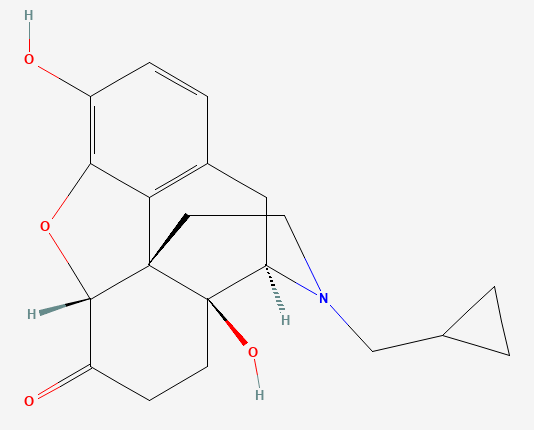
Estructura molecular
Mecanismo y función fisiológica
En dosis muy inferiores a las convencionales, la naltrexona bloquea de forma transitoria los receptores opioides, lo que induce una regulación al alza compensatoria de la producción de endorfinas endógenas y modula la señalización de la microglía.
Aplicaciones clínicas y de investigación
Se ha estudiado en la literatura sobre el antagonismo de receptores opioides en dosis bajas y la señalización glial. Las decisiones de prescripción corresponden al profesional de la salud que atiende al paciente.
Biosíntesis, manejo y origen
La naltrexona es un antagonista competitivo de los receptores opioides que se fabrica comercialmente como tableta oral en una única concentración. El uso en dosis bajas implica una concentración que ningún fabricante produce, y esa es precisamente la razón por la que interviene una farmacia 503A: la preparación se elabora en una concentración especificada por el prescriptor para un paciente identificado, y no es un envase más pequeño de un producto existente. Conviene mantener clara esa distinción, porque es lo que sitúa la preparación en la vía de las preparaciones magistrales y no en la de los productos aprobados.
La literatura describe dos farmacologías distintas, que con frecuencia se confunden. La primera es estereoespecífica y opioide: un bloqueo competitivo transitorio del receptor mu, seguido de cambios compensatorios en la señalización opioide endógena a medida que el bloqueo desaparece. La segunda no es opioide en absoluto y se atribuye al otro enantiómero, que la literatura describe como antagonista del receptor de tipo Toll 4 en la microglía y que se investiga en trabajos sobre la señalización neuroinflamatoria. Una página que presenta solo la primera explicación describe la mitad de lo que se ha estudiado.
Las consideraciones de elaboración se refieren sobre todo a la uniformidad de contenido. Una cápsula con una pequeña fracción de la concentración fabricada contiene muy poco principio activo por unidad, de modo que la farmacia es responsable de demostrar que el activo se distribuye de manera uniforme en la mezcla de polvo y no se concentra en algunas cápsulas mientras falta en otras. Son preparaciones no estériles elaboradas conforme al Capítulo General 795 de la USP y llevan una fecha límite de uso asignada en el momento de la preparación. Los consultorios deben confirmar la concentración, el número de cápsulas y la fecha al abrir la cuenta.
Las revisiones sistemáticas de la literatura revisada por pares describen los ensayos en humanos como pequeños, de diseño heterogéneo y concentrados en unas pocas indicaciones, y coinciden en pedir trabajos controlados más amplios. La naltrexona no está aprobada por la FDA en estas concentraciones ni para estos usos, los medicamentos magistrales no son productos farmacéuticos terminados aprobados por la FDA, y nada en esta página afirma que alguna preparación sea adecuada para un paciente determinado.
Referencias revisadas por pares
The use of low-dose naltrexone (LDN) as a novel anti-inflammatory treatment
Younger J, Parkitny L, McLain D
Clinical Rheumatology · 2014 · PMID: 24526250
Low-dose naltrexone for chronic pain: update and systemic review
Kim PS, Fishman MA
Current Pain and Headache Reports · 2020 · PMID: 32845365
Immunometabolic modulatory role of naltrexone in BV-2 microglia cells
Kučić N, Rački V, Šverko R
International Journal of Molecular Sciences · 2021 · PMID: 34445130
Fuentes de las figuras
- [1]PubChem CID 5360515, Naltrexone. National Center for Biotechnology Information, PubChem. Public domain.
¿Desea incorporar Low Dose Naltrexone a su protocolo?
Las formulaciones magistrales son dispensadas por nuestra farmacia asociada 503A, con licencia de la Junta Estatal de Farmacia de Texas, con una receta específica para cada paciente. ¿Prefiere una cotización formal? Solicite precios para una formulación específica.