Low Dose Naltrexone
Licensed practices only
Low Dose Naltrexone
- Format
- Capsule
- Spec
- 1.5 mg
- Sourcing
- A 503A pharmacy licensed by its state Board of Pharmacy
Available Formulations
Compounded to order by our 503A pharmacy partner; not a dosing recommendation. Beyond-use dates are assigned at compounding and printed on each label, and the shortest applicable limit governs.
| Strength & size | Beyond-use date | Quantity per fill |
|---|---|---|
| 1.5 mg Capsule | Per prescription | Up to 5 units |
- Compounding standard
- USP <795>, non-sterile
- Pricing
- Available on verified account approval
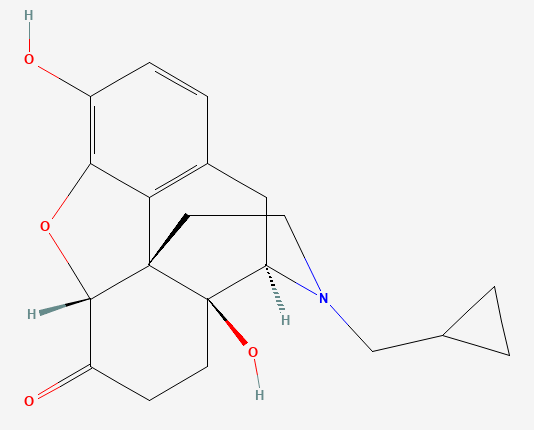
Molecular structure
Mechanism & Physiological Role
At sub-therapeutic doses, naltrexone transiently blocks opioid receptors, prompting compensatory upregulation of endogenous endorphin production and modulating microglial signaling.
Clinical & Research Applications
Studied in the literature on low-dose opioid-receptor antagonism and glial signaling. Prescribing decisions are made by the treating practitioner.
Biosynthesis, Handling & Sourcing
Naltrexone is a competitive opioid receptor antagonist that is commercially manufactured as an oral tablet at a single strength. Low-dose use means a strength no manufacturer produces, which is the whole reason a 503A pharmacy is involved: the preparation is compounded to a prescriber-specified strength for a named patient, rather than being a smaller package of an existing product. That distinction is worth keeping clear, because it is what places the preparation on the compounding pathway rather than the approved-product one.
Two separate pharmacologies are described in the literature and they are frequently conflated. The first is stereospecific and opioid: transient competitive blockade at the mu receptor, followed by compensatory changes in endogenous opioid signaling as the blockade clears. The second is not opioid at all and is attributed to the other enantiomer, which is described in the literature as an antagonist at Toll-like receptor 4 on microglia and is investigated in work on neuroinflammatory signaling. A page that presents only the first explanation is describing half of what has been studied.
Compounding considerations are mostly about content uniformity. A capsule at a small fraction of the manufactured strength contains very little active per unit, so the pharmacy is responsible for demonstrating that the active is distributed evenly through the powder blend rather than concentrated in some capsules and absent from others. These are non-sterile preparations compounded under USP General Chapter 795, and they carry a beyond-use date assigned at preparation. Practices should confirm the strength, the capsule count and the dating at account setup.
Systematic reviews in the peer-reviewed literature describe the human trials as small, heterogeneous in design and concentrated in a few indications, and they are consistent in calling for larger controlled work. Naltrexone is not FDA-approved at these strengths or for these uses, compounded medications are not FDA-approved finished drug products, and nothing on this page is a statement that any preparation is suitable for a given patient.
Peer-Reviewed References
The use of low-dose naltrexone (LDN) as a novel anti-inflammatory treatment
Younger J, Parkitny L, McLain D
Clinical Rheumatology · 2014 · PMID: 24526250
Low-dose naltrexone for chronic pain: update and systemic review
Kim PS, Fishman MA
Current Pain and Headache Reports · 2020 · PMID: 32845365
Immunometabolic modulatory role of naltrexone in BV-2 microglia cells
Kučić N, Rački V, Šverko R
International Journal of Molecular Sciences · 2021 · PMID: 34445130
Figure sources
- [1]PubChem CID 5360515, Naltrexone. National Center for Biotechnology Information, PubChem. Public domain.
Ready to add Low Dose Naltrexone to your protocol?
Compounded formulations are dispensed by our 503A pharmacy partner, licensed by the Texas State Board of Pharmacy, under a valid patient-specific prescription. Prefer a formal quote? Request formulation-specific pricing instead.