Benzocaine 20% / Lidocaine 10% / Tetracaine 10%
Solo para consultorios con licencia
Combinación tópica de benzocaína, lidocaína y tetracaína
- Presentación
- Crema tópica
- Especificación
- bomba de 60 mL
- Origen
- Una farmacia 503A con licencia de su Junta Estatal de Farmacia
Formulaciones disponibles
Preparadas a pedido por nuestra farmacia asociada 503A; no es una recomendación de dosis. Las fechas límite de uso se asignan al momento de la preparación y se imprimen en cada etiqueta, y rige el límite aplicable más corto.
| Concentración y tamaño | Fecha límite de uso | Cantidad por despacho |
|---|---|---|
| bomba de 60 mL | 180 días | Hasta 5 unidades |
- Norma de preparación
- USP <795>, no estéril
- Precios
- Disponibles al aprobarse la cuenta verificada
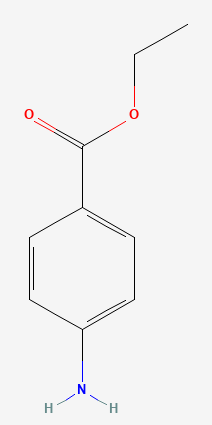
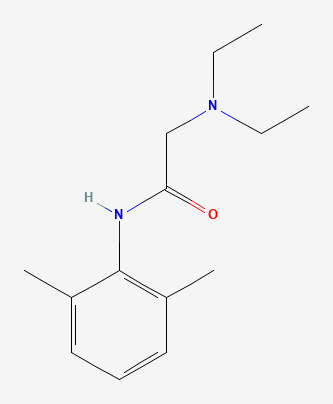
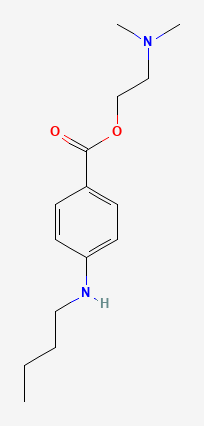
Mecanismo y función fisiológica
Tres anestésicos de superficie en un mismo vehículo, que abarcan ambas clases estructurales. La benzocaína y la tetracaína tienen un enlace éster, mientras que la lidocaína tiene un enlace amida, y las dos clases se depuran por vías distintas.
Aplicaciones clínicas y de investigación
Se analiza en la literatura de dermatología de procedimientos y de anestesia sobre la anestesia tópica, la absorción sistémica de preparaciones de alta concentración y la metahemoglobinemia asociada a la benzocaína.
Biosíntesis, manejo y origen
Todo anestésico local se construye de la misma manera, a partir de un anillo aromático, un grupo de enlace y una cola amina, y el grupo de enlace es lo que los clasifica. Esta preparación contiene ambos tipos. La benzocaína y la tetracaína tienen enlace éster; la lidocaína, enlace amida. Ese único enlace determina la vía de depuración, porque los ésteres se hidrolizan en el plasma por acción de las colinesterasas, mientras que las amidas se metabolizan en el hígado. También determina lo que produce la degradación: la hidrólisis de los ésteres libera ácido para-aminobenzoico, que es el origen de la antigua reputación de sensibilización que acompaña a los ésteres.
Otras dos propiedades explican casi todo lo demás. El pKa de cada molécula fija qué proporción existe como base neutra al pH tisular, y es la forma neutra la que atraviesa las membranas, de modo que el pKa es lo que rige el inicio de acción. La liposolubilidad se corresponde con la potencia. La benzocaína es la excepción de las tres: no tiene una cola amina ionizable, por lo que permanece sin carga en todo el intervalo fisiológico y se reparte de manera distinta a las otras dos. Combinar activos con valores de pKa distintos y un comportamiento de reparto diferente es la razón por la que un prescriptor especifica una combinación y no un solo agente.
Para la adquisición, la cuestión determinante es qué ocurre cuando una crema de alta concentración entra en contacto con una superficie extensa o queda bajo un apósito oclusivo. La exposición sistémica crece con la concentración, con el área cubierta y con el tiempo de oclusión. Los trabajos farmacocinéticos publicados sobre lidocaína y tetracaína tópicas corresponden a concentraciones más bajas que las que suelen usar las cremas magistrales, por lo que esas mediciones describen sus propias condiciones y no se extrapolan por sí solas hacia arriba. La literatura de anestesia ha avanzado en la misma dirección desde el otro lado: revisiones recientes describen la lidocaína como el agente que hoy está detrás de los informes de toxicidad sistémica y cuestionan en qué medida la evidencia respalda siquiera la mezcla de anestésicos locales, que es precisamente lo que hace una crema de tres activos. La benzocaína tiene una asociación aparte y bien documentada con la metahemoglobinemia a concentraciones tópicas, descrita en series de casos como poco común más que rara. La FDA ha publicado una advertencia para consumidores dirigida específicamente a los productos tópicos que contienen activos anestésicos por encima de las concentraciones de los productos aprobados.
Como preparación magistral, se elabora con una combinación especificada por el prescriptor para un paciente identificado, en lugar de fabricarse con una fórmula fija, y eso es lo que permite que exista una proporción de tres activos. Se suministra en bomba dosificadora y no en frasco de boca ancha, lo que permite sostener una fecha de uso tras la apertura al evitar la exposición repetida de un envase abierto. Es no estéril y se elabora conforme al Capítulo General 795 de la USP, y la fecha límite de uso impresa en el envase se asigna en el momento de la preparación y es la que rige. Esta composición no está aprobada por la FDA, y los medicamentos magistrales no son productos farmacéuticos terminados aprobados por la FDA. Nada de lo aquí expuesto constituye una orientación sobre la cantidad, el área o la duración de la aplicación, que son decisiones del prescriptor.
Referencias revisadas por pares
Methemoglobinemia related to local anesthetics: a summary of 242 episodes
Guay J
Anesthesia and Analgesia · 2009 · PMID: 19224791
Topical benzocaine and methemoglobinemia
Hieger MA, Afeld JL, Cumpston KL
American Journal of Therapeutics · 2017 · PMID: 27754990
Ogden L, Love G, Basta S
International Journal of Dermatology · 2008 · PMID: 18173612
Gasteiger L, Lirk P, Marhofer P
Anesthesiology · 2026 · PMID: 41363872
Schwenk ES, Sneyd JR, Wu CL
British Journal of Anaesthesia · 2025 · PMID: 40750468
U.S. Food and Drug Administration
FDA News Release · 2019
Fuentes de las figuras
- [1]PubChem CID 2337, Benzocaine. National Center for Biotechnology Information, PubChem. Public domain.
- [2]PubChem CID 3676, Lidocaine. National Center for Biotechnology Information, PubChem. Public domain.
- [3]PubChem CID 5411, Tetracaine. National Center for Biotechnology Information, PubChem. Public domain.
¿Desea incorporar Benzocaine 20% / Lidocaine 10% / Tetracaine 10% a su protocolo?
Las formulaciones magistrales son dispensadas por nuestra farmacia asociada 503A, con licencia de la Junta Estatal de Farmacia de Texas, con una receta específica para cada paciente. ¿Prefiere una cotización formal? Solicite precios para una formulación específica.