A practice changing its exosome supplier compares documents before prices. The characterization data, the certificate of analysis with its sterility, endotoxin and mycoplasma results, the labeling, the cold-chain record and the lot traceability behind every vial describe what the practice is buying.
A clean transition runs both suppliers in parallel for a short overlap, so standard operating procedures (SOPs), lot records and inventory move across while documented material stays on hand. The guide is written for practice owners, medical directors and the staff who receive, store and record exosome material.
Regulatory position
The FDA stated in its 2019 public safety notification that there are no FDA-approved exosome products, and repeated the point in its consumer alert on regenerative medicine products. ExaVeyra supplies exosome material for topical aesthetic use by licensed practitioners, described by its available formats. Which material a practice uses, and how, are the practitioner’s decisions.
Understanding why a supplier change starts with documentation
Knauer and colleagues surveyed 20 commercially available cosmetic exosome products alongside their 2026 scoping review and reported that the products carried minimal information on isolation, processing or shelf life. Two vials sold under the same word can therefore differ in source, separation method and storage, and each supplier’s documents are where those details are set out.
Contreras and Ariza-Donado reviewed the aesthetic literature in 2026 and described it as limited by variability in biologic source, isolation and protocols, noting that endosomal origin is not always demonstrated for products called exosomes. Gaebe and colleagues rated the certainty of the facial vesicle evidence as low or very low in a 2026 systematic review and synthesized the results narratively because the materials and methods varied too much to pool.
The documents from the current supplier describe one material and those from a new supplier describe another. A switch therefore compares two specifications, and the review starts fresh with the first lot.
Comparing characterization data against the MISEV2023 headings
The International Society for Extracellular Vesicles sets out its minimal reporting guideline as MISEV2023, which asks how vesicles were produced, how they were separated from non-vesicular particles, and how they were characterized by size, concentration, marker proteins and morphology. Laying both suppliers’ characterization panels against those headings shows at a glance which fields each one reports.
Witwer and colleagues, writing for four scientific societies in 2019, proposed that mesenchymal stromal cell vesicle preparations be defined by quantifiable metrics for cellular origin, the presence of lipid-membrane vesicles and vesicle integrity. They added that a new preparation might be measured against a well-characterized reference, which is the logic of comparing a new supplier’s first lot with the material a practice already has on file.
The EV-TRACK consortium argued in 2017 that transparent reporting of methods is what lets a vesicle result be interpreted and replicated. A supplier that can describe its source, separation method and measurement instruments in plain terms is meeting the same expectation the research field sets for itself.
Reading sterility, endotoxin and mycoplasma results on each lot
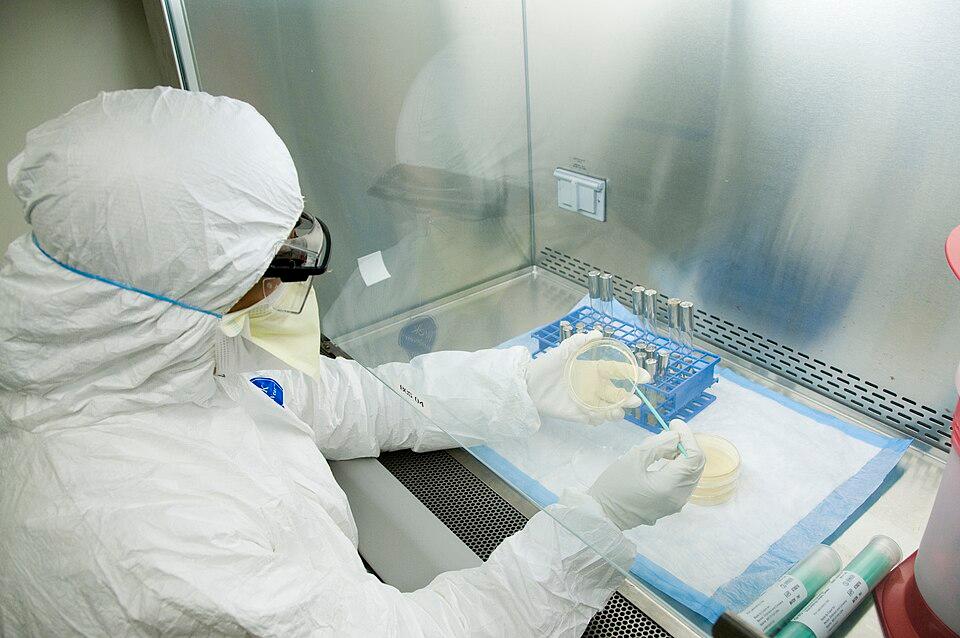
Lener and colleagues, in a 2015 position paper of the International Society for Extracellular Vesicles, stated that sterile vesicle preparations for pharmaceutical use must be tested for viral and microbiological contaminants (Fig. 1), including mycoplasma, and must not contain endotoxins above defined levels. Those three results are the safety lines to find on every certificate of analysis, for every lot.
Endotoxin results are reported by method and limit, and the FDA’s guidance on pyrogen and endotoxins testing, revised in March 2026, sets out the agency’s current thinking on the gel clot, photometric and kinetic test methods of USP Chapter 85. For licensed biological products, 21 CFR 610.12 requires a validated sterility test of each lot, and the regulation is cited here solely as a reference for what a per-lot sterility line should describe.
Mycoplasma deserves its own line because it can travel with vesicles. Quah and O’Neill reported in 2007 that mycoplasma from long-term cell cultures mapped to the exosome fraction of the culture supernatant and was biologically active there, which is why a practice asks for a mycoplasma result on each lot.
Rohde, Pachler and Gimona summarized vesicle manufacturing in 2019 with the principle that the process is the product. A change of supplier is a change of process, so a practice that reads the new certificate as carefully as it read the first one from its current supplier is following the manufacturing literature’s own logic.
A side-by-side worksheet organizes the comparison
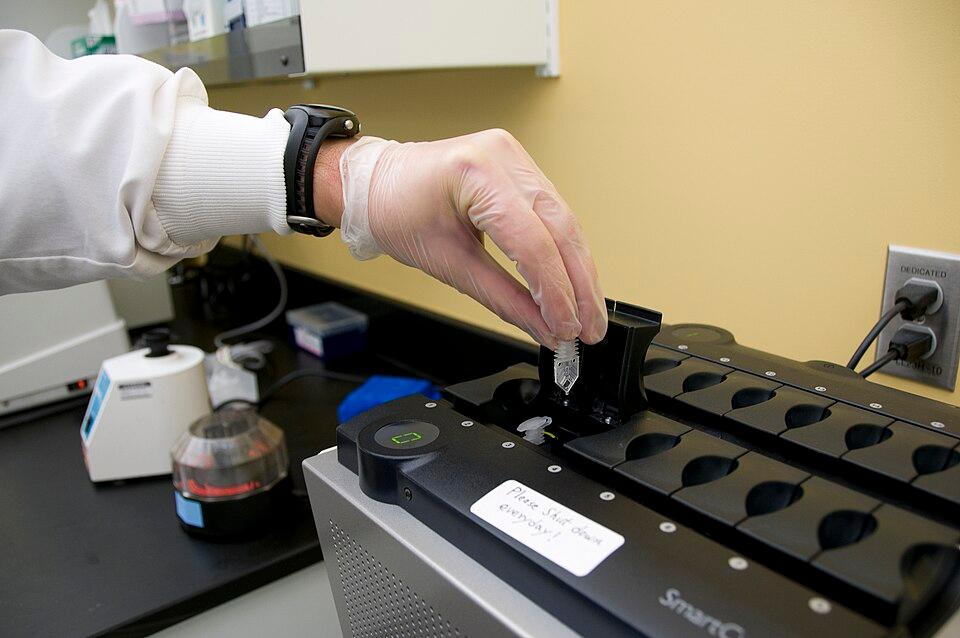
The table turns the comparison into a worksheet. Each row names what to request from both suppliers, including the test method behind each result (Fig. 2), and the published source that explains why it matters.
| Criterion | What to request from each supplier | Why it matters | Source |
|---|---|---|---|
| Characterization panel | Particle size and concentration, marker proteins, morphology, separation method | Shows what the vial contains and how it was measured | MISEV2023; Witwer 2019 |
| Certificate of analysis (COA) | A lot-specific COA with test methods, limits and results | Records the isolation and processing detail that a 2026 product survey looked for | Knauer 2026 |
| Sterility | Per-lot result with the method named | 21 CFR 610.12 requires a per-lot test for licensed biological products | Lener 2015; 21 CFR 610.12 |
| Endotoxin | Per-lot result with method and limit | Defined limits are part of vesicle quality control | Lener 2015; FDA endotoxin guidance |
| Mycoplasma | Per-lot result with the method named | Mycoplasma can co-purify with the vesicle fraction | Quah 2007; Lener 2015 |
| Label and supply statement | The label, the supplier’s statement of what the material is supplied for and any instructions for handling | The FDA states that exosome products intended to treat diseases or conditions require approval | FDA safety notification; FDA consumer alert |
| Storage and cold chain | Storage temperature, buffer, shipping method and temperature record | Buffer, temperature and thaw cycles change vesicle recovery | Görgens 2022; Gelibter 2022 |
| Lot traceability | Lot number on vial, COA and invoice, and a recall contact | Adverse event reports are tied to a lot | FDA MedWatch |
| Ordering and verification | Account verification steps, lead times and reorder process | Continuity depends on predictable supply | Practice operations |
Comparing what each supplier states its material is supplied for
The FDA’s consumer alert, current as of 2024, states that, as a general matter, exosome products intended to treat diseases or conditions in humans require FDA approval, and describes its concern about misleading statements online. A supplier’s documentation, website and sales language therefore belong in the comparison alongside the laboratory data, because they state what the supplier says its material is supplied for.
Park reported in a 2025 case series four patients with persistent skin reactions after intradermal injection, in nonclinical settings, of exosome-containing cosmetic products sold for topical use. Reading the new supplier’s label and documentation as closely as the old one keeps the practice’s SOPs aligned with what each supplier states its material is supplied for.
Verifying the cold chain from dispatch to the practice freezer
Görgens and colleagues reported in 2022 that plain phosphate-buffered saline sharply reduced vesicle recovery within days, and within minutes when used as a diluent, while a buffer with human albumin and trehalose preserved vesicles at minus 80 degrees and across freeze-thaw cycles. Several of the authors were affiliated with an extracellular vesicle (EV) therapeutics company, as the references note.
Gelibter and colleagues reported the same year that storage at minus 80 degrees reduced vesicle concentration and purity over time and that freeze-thaw cycles reduced vesicles after the first cycle. Jeyaram and Jay reviewed the field in 2017 and observed that storage effects vary with sample source, so each supplier’s stated storage conditions apply to its own material.
The practical questions follow directly: what buffer the material is stored in, what temperature it ships at, how the temperature is logged in transit, and how many times a lot has been thawed. ExaVeyra’s exosome material ships frozen from the manufacturing facility with the lot number on each vial, and the cold-chain records, certificate of analysis and characterization panel for every lot are available on request.
Planning the transition so SOPs, lot records and inventory stay continuous
Three points are worth settling in advance: the new account verified while current stock remains, each SOP updated to name the new product before it arrives, and a field in the lot log for a second supplier. Settling each early keeps the handover off the appointment schedule.
- Open and verify the new account while the current supplier is still shipping, and confirm lead times in writing.
- Order a first lot early enough to arrive while the practice still holds documented stock from the current supplier.
- Receive the first lot against a checklist: frozen on arrival, temperature record complete, lot number matching the vial, the COA for that lot requested and filed, and the invoice.
- Hold the new lot in a labeled freezer location, separate from remaining stock, until the documentation review is signed off.
- Update each SOP that names the product: storage location and temperature, thawing and handling steps from the new label, and the supplier contact.
- Add a supplier column to the lot log so every use is recorded against the right lot, product and supplier.
- Run down the old stock first in expiry order, then close out its lots in the log with the date of last use.
- Brief the staff who receive, store and record material on the new label and paperwork before the first use.
- File the comparison worksheet and the reasons for the switch with the practice’s quality records.
An overlap of one ordering cycle is usually enough when the new supplier’s verification and lead times are known. The lot log then shows a clean line from the last vial of one supplier to the first vial of the next, and an adverse event report to MedWatch can always name the exact lot.
Understanding the scope of the current evidence
The reporting standards are still developing, which matters most when two suppliers’ documents look alike. Each point below is also a question a practice can ask.
- Potency assays are in development: Gimona and colleagues reviewed potency testing in 2021 and described the assays as still being developed, so two certificates that match on identity data describe identity, and function is a separate question to put to each supplier.
- Each material is read on its own data: Gaebe 2026 rated certainty low or very low and synthesized the studies narratively because of their heterogeneity.
- Characterization reporting varies: Knauer 2026 found little isolation or processing information on commercial products, and Contreras and Ariza-Donado 2026 noted that endosomal origin is not always demonstrated for products called exosomes.
- Storage evidence comes mostly from laboratory samples: Görgens 2022 and Gelibter 2022 studied research preparations, and Jeyaram and Jay noted that effects vary with source.
- The case for careful documentation at a supplier change rests on the quality and manufacturing literature cited here; outcome studies of a supplier change remain a subject for future research.
A practice addresses each of these points by requesting the documents for the specific lot it receives, and the questions in the next section set out what to request.
Questions to ask a new exosome supplier
- What is the cellular source of the material, and how are the vesicles separated and characterized?
- Is a certificate of analysis generated for each lot, can you provide it for the lot we receive, and which methods and limits does it report?
- Are sterility, endotoxin and mycoplasma results reported for every lot?
- How does the characterization panel map to the MISEV2023 headings?
- What does your documentation state the material is supplied for, and what does the label state about storage and handling?
- What buffer is the material stored in, at what temperature does it ship, and how is the temperature recorded in transit?
- How is the lot number carried across the vial, the COA and the invoice, and who is the contact for a lot question?
- What does account verification require, and what are the usual lead times for a first order and a reorder?
Moving forward with a documented supplier
A supplier change handled this way leaves a practice with a better file than it started with. Two specifications sit side by side, the lot log runs without a break, and each SOP names the material actually in the freezer.
ExaVeyra supplies exosome material for topical aesthetic use to verified licensed practitioners, and each order ships frozen from the manufacturing facility with the lot number on every vial. The certificate of analysis for that lot reports serological testing for pathogens and is available on request with the characterization panel and cold-chain records, and miRNA characterization data is shared with verified accounts on request.
Practices ready to compare can apply for a verified account and request the documentation for a current lot, or send the scientific team a question about any line on a certificate.
Aviso Educativo: This article is for educational purposes only and does not constitute medical or legal advice. It does not identify any material, compound, device setting or protocol as safe, effective or appropriate for any patient, and it is not intended to diagnose, treat, cure, or prevent any disease. Questions about a treatment belong with the reader’s own licensed provider. Exosome material is supplied for topical aesthetic use by licensed practitioners. No exosome product is FDA-approved for any use, and ExaVeyra Sciences makes no statement about administration, route, or outcome. Compounded medications are not FDA-approved. They are prepared by a 503A compounding pharmacy licensed by the Texas State Board of Pharmacy for an individual patient against that patient’s prescription, and are available to NPI-verified licensed practitioners only, in the states where the pharmacy is licensed. Product, device and brand names mentioned are trademarks of their respective owners and are used only to identify the products discussed. Their mention is not an endorsement, and those owners have not reviewed or endorsed this article. ExaVeyra Sciences is a supplier and takes no part in any diagnosis, treatment decision, or plan of care. Findings described are attributed to the peer-reviewed literature, trial registries and agencies cited. The content of these guides is provided for general informational purposes only. It does not constitute legal, medical, or regulatory advice, and does not establish that any particular product or practice is compliant. Regulatory requirements vary by state and depend on the circumstances of each practice. Each practitioner should consult their own legal counsel and the applicable state licensing boards before acting on anything stated here.
Referencias
- 1.Welsh JA, Goberdhan DCI, O'Driscoll L, Buzas EI, Blenkiron C, Bussolati B, et al; MISEV Consortium; Théry C, Witwer KW. Minimal information for studies of extracellular vesicles (MISEV2023): From basic to advanced approaches. J Extracell Vesicles. 2024;13(2):e12404. PMID 38326288. PMC10850029. doi:10.1002/jev2.12404International Society for Extracellular Vesicles reporting guideline, compiled from ISEV task forces and feedback from more than 1,000 researchers. Carries in this article: the headings (source, separation from non-vesicular particles, particle size and concentration, marker proteins, morphology) against which two suppliers' certificates of analysis can be compared line by line. Disclosure: many consortium authors list EV company affiliations, declared in full in the article.
- 2.U.S. Food and Drug Administration. Public Safety Notification on Exosome Products. December 6, 2019 (content current as of 12/06/2019; verified 16 November 2026). https://www.fda.gov/vaccines-blood-biologics/safety-availability-biologics/public-safety-notification-exosome-productsAgency safety notification (CBER). Carries in this article: the agency statement that there are currently no FDA-approved exosome products, which frames every supplier comparison as a comparison of documentation and labeling.
- 3.U.S. Food and Drug Administration. Consumer Alert on Regenerative Medicine Products Including Stem Cells and Exosomes. July 22, 2020; content current as of 04/09/2024; verified 23 November 2026. https://www.fda.gov/vaccines-blood-biologics/consumers-biologics/consumer-alert-regenerative-medicine-products-including-stem-cells-and-exosomesAgency consumer alert (CBER). Carries in this article: the FDA's statement of its authority over exosome products, that, as a general matter, exosome products intended to treat diseases or conditions in humans require FDA approval, and its concern about misleading statements online; the reason a supplier's marketing language belongs in the comparison.
- 4.Knauer G, Chang A, Gupta A, Brownstone N, Mejia N, Bauman S, et al. Clinical Evidence and Commercial Landscape of Topical Exosomes for Skin Rejuvenation: A Scoping Review. Aesthet Surg J. 2026;46(11):NP148-NP157. PMID 42411735. doi:10.1093/asj/sjag141Scoping review with a librarian-reviewed search (2,394 records screened, 18 human studies included) plus a market survey of the first 20 commercial products returned by a shopping search. Carries in this article: the commercial products carried minimal information on isolation, processing or shelf life, the central reason a supplier comparison starts with documents. Disclosure: academic authors (USA); no COI statement in the PubMed record.
- 5.Gaebe K, Lowe K, Bosnalie D, Khoury S, Villemure Poliquin N, Nichols A. Effectiveness and Safety of Extracellular Vesicle-Based Therapies for Nonsurgical Facial Rejuvenation: A Systematic Review. Facial Plast Surg Aesthet Med. 2026. Published online ahead of print. PMID 42487416. doi:10.1177/26893614261457879PRISMA systematic review with risk-of-bias and GRADE assessment, searches to June 2025; 16 studies, 503 participants. Carries in this article: GRADE certainty was low or very low and results were synthesized narratively because of heterogeneity, which is why findings for one material cannot be assumed for another supplier's material. Disclosure: academic authors (Canada); no COI statement in the PubMed record.
- 6.Contreras C, Ariza-Donado A. Extracellular Vesicles in Regenerative and Cosmetic Medicine: Safety, Clinical Effectiveness, Therapeutic Applications, and Regulatory Challenges. Int J Mol Sci. 2026;27(12):5541. PMID 42353255. PMC13299476. doi:10.3390/ijms27125541Narrative review of Scopus and PubMed literature with an exploratory qualitative survey of 12 aesthetic physicians (Colombia). Carries in this article: the literature is limited by variability in biologic source, isolation and protocols, and endosomal origin is not always demonstrated for products called exosomes in aesthetic medicine. Disclosure: the authors declared no conflict of interest.
- 7.Lener T, Gimona M, Aigner L, Börger V, Buzas E, Camussi G, et al. Applying extracellular vesicles based therapeutics in clinical trials: an ISEV position paper. J Extracell Vesicles. 2015;4:30087. PMID 26725829. PMC4698466. doi:10.3402/jev.v4.30087ISEV and EU COST position paper by basic and clinical scientists and regulators. Carries in this article: the statement that sterile EV preparations for pharmaceutical use must be tested for viral and microbiological contaminants including mycoplasma and must not contain endotoxins above defined levels, and the call for standardized culture conditions and batch reproducibility. Disclosure: the authors reported no industry funding for the paper.
- 8.Witwer KW, Van Balkom BWM, Bruno S, Choo A, Dominici M, Gimona M, et al. Defining mesenchymal stromal cell (MSC)-derived small extracellular vesicles for therapeutic applications. J Extracell Vesicles. 2019;8(1):1609206. PMID 31069028. PMC6493293. doi:10.1080/20013078.2019.1609206Joint position paper of four societies (SOCRATES, ISEV, ISCT, ISBT). Carries in this article: MSC-derived small vesicle preparations should be defined by quantifiable metrics for cellular origin, the presence of lipid-membrane vesicles and vesicle integrity, and new preparations might be measured against a well-characterized reference, the logic behind comparing a new supplier's first lot with the material a practice already documents. Disclosure: funded by The Silent Foundation, Singapore; one author holds founder shares in a vesicle therapeutics company.
- 9.Gimona M, Brizzi MF, Choo ABH, Dominici M, Davidson SM, Grillari J, et al. Critical considerations for the development of potency tests for therapeutic applications of mesenchymal stromal cell-derived small extracellular vesicles. Cytotherapy. 2021;23(5):373-380. PMID 33934807. doi:10.1016/j.jcyt.2021.01.001Consensus perspective by an international author group. Carries in this article: potency assays for these preparations are still being developed because the mechanism is complex and incompletely understood, the gap that keeps identity data on a certificate of analysis from establishing functional equivalence between two suppliers. Funding: NIH (NCI) and British Heart Foundation grants listed in PubMed.
- 10.Rohde E, Pachler K, Gimona M. Manufacturing and characterization of extracellular vesicles from umbilical cord-derived mesenchymal stromal cells for clinical testing. Cytotherapy. 2019;21(6):581-592. PMID 30979664. doi:10.1016/j.jcyt.2018.12.006Perspective and review from an academic GMP manufacturing group (Austria). Carries in this article: the principle that the process is the product, and the description of good manufacturing practice and final product quality testing, which is why a change of supplier is a change of process and calls for a fresh documentation review. Disclosure: no COI statement in the PubMed record.
- 11.Görgens A, Corso G, Hagey DW, Jawad Wiklander R, Gustafsson MO, Felldin U, et al. Identification of storage conditions stabilizing extracellular vesicles preparations. J Extracell Vesicles. 2022;11(6):e12238. PMID 35716060. PMC9206228. doi:10.1002/jev2.12238In vitro stability study up to 2 years across buffers and temperatures, EVs from several cell sources. Carries in this article: plain PBS reduced vesicle recovery within days, and within minutes as a diluent, while buffer with human albumin and trehalose preserved vesicles at minus 80 degrees and across several freeze-thaw cycles; the reason the diluent and storage buffer belong in the comparison. Disclosure: funding listed in PubMed includes an EV therapeutics company, and several authors list affiliation with that company.
- 12.Gelibter S, Marostica G, Mandelli A, Siciliani S, Podini P, Finardi A, et al. The impact of storage on extracellular vesicles: A systematic study. J Extracell Vesicles. 2022;11(2):e12162. PMID 35102719. PMC8804350. doi:10.1002/jev2.12162Systematic laboratory study of eight storage strategies, with vesicles from human plasma and murine microglia culture. Carries in this article: storage at minus 80 degrees reduced vesicle concentration and purity over time and increased particle size, and freeze-thaw cycles reduced vesicles after the first cycle; the reason a practice asks how many thaws a lot has seen. Disclosure: one author reported advisory and speaker honoraria and research funding from pharmaceutical companies; the others reported none.
- 13.Jeyaram A, Jay SM. Preservation and Storage Stability of Extracellular Vesicles for Therapeutic Applications. AAPS J. 2017;20(1):1. PMID 29181730. PMC6582961. doi:10.1208/s12248-017-0160-yMini-review of EV preservation and storage. Carries in this article: minus 80 degrees is the most promising storage mode in the studies to date, storage effects vary with sample source, and the lack of storage standardization is a barrier, which is why a supplier's stated storage conditions are compared directly. Funding: NIH (NHLBI) grant listed in PubMed.
- 14.U.S. Food and Drug Administration. Pyrogen and Endotoxins Testing: Questions and Answers. Guidance for Industry, originally issued June 2012; revised final guidance March 2026 (docket FDA-2013-S-0610; content current as of 03/18/2026; verified 16 November 2026). https://www.fda.gov/regulatory-information/search-fda-guidance-documents/pyrogen-and-endotoxins-testing-questions-and-answersFinal FDA guidance for biological product, drug and device firms. Carries in this article: the agency's current thinking on the bacterial endotoxins test methods in USP Chapter 85 (gel clot, photometric and kinetic methods), the vocabulary a practice uses to read the endotoxin line on a certificate of analysis.
- 15.U.S. Food and Drug Administration. 21 CFR 610.12, Sterility (General Biological Products Standards). Text as published in the eCFR, 12 November 2026 edition; verified 16 November 2026. https://www.accessdata.fda.gov/scripts/cdrh/cfdocs/cfcfr/CFRSearch.cfm?fr=610.12 and https://www.ecfr.gov/current/title-21/chapter-I/subchapter-F/part-610/subpart-B/section-610.12Federal regulation for licensed biological products. Carries in this article: manufacturers of licensed biological products must perform sterility testing of each lot with a validated method, cited here solely as reference vocabulary for what a per-lot sterility line on a certificate of analysis describes, with the regulation applying by its terms to licensed biological products.
- 16.U.S. Food and Drug Administration. MedWatch: The FDA Safety Information and Adverse Event Reporting Program. Content current as of 11/20/2026; verified 22 November 2026. https://www.fda.gov/safety/medwatch-fda-safety-information-and-adverse-event-reporting-programAgency reporting program page. Carries in this article: the route for reporting an adverse event to the FDA, which is why each use is recorded against its lot number before and after a supplier change.
- 17.Park KY. Adverse Reactions Following Intradermal Injection of Exosome-Based Formulations: A Case Series. J Cosmet Dermatol. 2025;24(10):e70520. PMID 41097876. PMC12528963. doi:10.1111/jocd.70520Case series; four adult women after intradermal injection, in nonclinical settings, of exosome-containing cosmetic products approved for topical use (South Korea); n = 4. Carries in this article: the persistent skin reactions the author described after that route, which the author calls off-label, the reason each supplier’s statement of what its material is supplied for is compared alongside the laboratory data. Disclosure: the author declared no conflicts of interest.
- 18.EV-TRACK Consortium; Van Deun J, Mestdagh P, Agostinis P, Akay Ö, Anand S, et al. EV-TRACK: transparent reporting and centralizing knowledge in extracellular vesicle research. Nat Methods. 2017;14(3):228-232. PMID 28245209. doi:10.1038/nmeth.4185Consortium paper describing a crowdsourced knowledge base of EV methods. Carries in this article: the field's argument that transparent reporting of methods is what makes EV results interpretable and replicable, the standard a supplier's methods summary can be held to. Disclosure: academic consortium; no COI statement in the PubMed record.
- 19.Quah BJ, O'Neill HC. Mycoplasma contaminants present in exosome preparations induce polyclonal B cell responses. J Leukoc Biol. 2007;82(5):1070-1082. PMID 17698916. doi:10.1189/jlb.0507277Laboratory study of dendritic cell culture supernatants (mouse). Carries in this article: mycoplasma from long-term cultures mapped to the exosome or vesicle fraction and was biologically active, the original observation behind asking for a mycoplasma result on every lot. An older landmark cited in addition to the recent set. Disclosure: no COI statement in the PubMed record.
Créditos de imágenes
- Fig. 1Michael J. Ermarth, U.S. Food and Drug Administration, U.S. Food and Drug Administration, via Wikimedia Commons, Public domain. ↩
- Fig. 2Michael J. Ermarth, U.S. Food and Drug Administration, U.S. Food and Drug Administration, via Wikimedia Commons, Public domain. ↩