Sculptra and exosomes belong to different regulatory and physical categories, and a practice that uses both has to decide how to space them. Sculptra, a trademark of Galderma named here only to identify the product, is a PLLA injectable implant approved by the FDA through premarket approval P030050; exosome material is supplied for topical aesthetic use by licensed practitioners.
The Sculptra labeling is the starting point for that spacing, because it addresses use alongside other substances, fillers and devices, and after procedures based on an active skin response. This guide reads the labeling together with the FDA pages, the published reviews and the filler studies, explains how the word biostimulator is used, and lists the records a practice can keep when both steps share a plan.
Regulatory position
Sculptra is a Class III device approved by the FDA under PMA P030050 and its supplements, sold by or on the order of a licensed practitioner. The FDA stated in its 2019 public safety notification that there are no FDA-approved exosome products. ExaVeyra supplies exosome material for topical aesthetic use by licensed practitioners, described by its available formats. Spacing, sequence and patient selection are the practitioner’s decisions, and this article reports the sources that inform them.
Understanding Sculptra as an FDA-approved PLLA implant
The PMA record shows how the device reached its present indications. The FDA approved the original Sculptra application in August 2004 for a narrower medical indication, approved Sculptra Aesthetic in July 2009 for shallow to deep nasolabial fold contour deficiencies and other facial wrinkles in immune-competent people, and in April 2023 added fine lines and wrinkles in the cheek region.
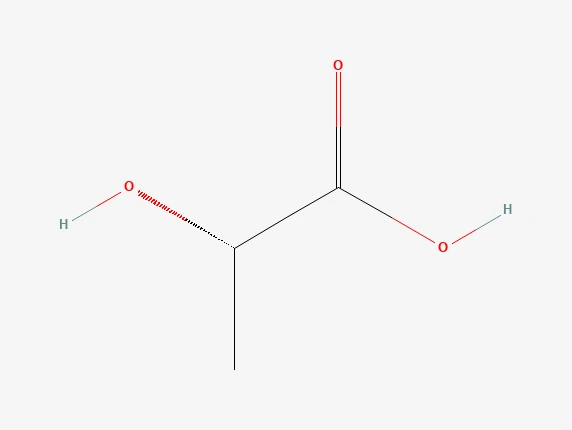
A 2021 supplement changed the reconstitution and injection procedure and brought both versions under the single trade name Sculptra. The labeling approved in April 2023 under supplement S039, the most recent version posted in the FDA database, describes an injectable implant of PLLA microparticles, built from L-lactic acid (Fig. 1), with sodium carboxymethylcellulose and mannitol, supplied freeze-dried and reconstituted with sterile water before use. Label statements in this guide are quoted from that version; the FDA record lists two further labeling revisions approved in June 2023, so the package insert supplied with the device is the version in force.
The FDA’s list of approved dermal filler materials describes PLLA as a biodegradable, biocompatible synthetic polymer, given in a series of injections over several months. The agency notes that its effects become apparent over several weeks and may last up to two years, against roughly 6 to 12 months for hyaluronic acid and about 18 months for calcium hydroxylapatite.
Fabi and colleagues reported the cheek-wrinkle trial behind the 2023 supplement. Adults were randomized two to one to PLLA or no injection, over a series of sessions, and the responder rate at month 12 was 71.6 percent against 26.1 percent for controls, with mostly mild adverse events. The manufacturer sponsored the trial.
The labeling also describes what follows a session. Its warnings section notes that delayed papules and nodules have occurred days to months after injection, recommends massage of the area at the end of the session and by the patient afterward, and sets a minimum period before a patient is reassessed for a further session.
Mechanisms reported for PLLA as a collagen biostimulator
Fitzgerald and colleagues described in 2018 how the size and chemistry of PLLA microparticles drive a subclinical inflammatory response that stimulates collagen deposition in the extracellular matrix. The authors described the resulting restoration of volume as controlled and long lasting, and tied those properties to the product’s own technique.
Waibel and colleagues randomized 21 participants in 2024 to PLLA or calcium hydroxylapatite and sequenced biopsy RNA at day 90. They reported that PLLA was associated with genes involved in adipocyte function that calcium hydroxylapatite did not affect, and several authors were affiliated with the manufacturer.
Ferreira and colleagues reviewed 14 studies of PLLA and calcium hydroxylapatite in the face in 2026. The reviewed studies reported PLLA effects lasting up to 25 months and mostly mild adverse events, and the authors called for standardized technique and longer safety follow-up.
Sculptra and exosome material differ in route, timescale and records
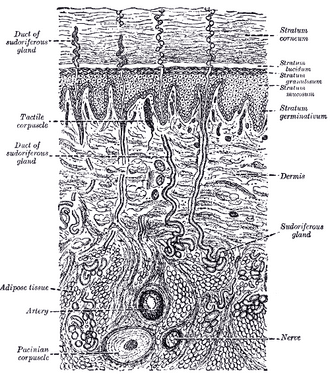
The difference between Sculptra and exosomes starts with what each one is. Sculptra is a sterile particulate implant placed below the skin surface under an approved label, and exosome material is a preparation of extracellular vesicles applied to the surface itself (Fig. 2).
| Feature | Sculptra (PLLA injectable implant) | Topical exosome material |
|---|---|---|
| FDA status | Class III device, PMA P030050 and supplements | No FDA-approved exosome product, per the 2019 FDA notification |
| Physical form | Freeze-dried PLLA microparticles reconstituted into a suspension | Vesicle preparation in the supplier’s available formats |
| Where it is placed | Below the skin surface by injection, per the label | The skin surface |
| How the effect is described | Gradual, over several weeks; may last up to two years per the FDA | Short-term skin-quality outcomes in small studies, per a 2026 review |
| Key labeling language | Delayed papules and nodules; same-session use with other products not systematically evaluated | FDA notification directing adverse event reports to MedWatch |
| Records for the file | Device lot, expiry and labeling | Lot number, with a certificate of analysis, characterization panel and cold-chain records available on request |
The FDA’s dermal filler page adds that fillers are medical device implants approved for specific uses in adults over 21, and that side effects may appear weeks, months or years after injection. That long horizon is one reason documentation of anything applied to the same area matters.
Understanding how the literature uses the word biostimulator
Biostimulator is a term from the clinical literature; the FDA device record lists Sculptra under the generic name "implant, dermal, for aesthetic use", and the FDA’s 2019 notification states that there are no FDA-approved exosome products. Reviews by Tam and colleagues in 2025 and Ferreira and colleagues in 2026 use it for particulate injectables such as PLLA, calcium hydroxylapatite and polycaprolactone, which are thought to work through a tissue response to the particles themselves.
Barbosa drew the line explicitly in a 2026 review. The review grouped PLLA with the particulate collagen biostimulators, with the strongest longitudinal and histological support among them, and placed extracellular vesicles with polynucleotides among biological bioregenerators that show mechanistic plausibility but limited and heterogeneous clinical evidence.
Wyles and colleagues, writing in 2026, grouped biostimulatory polymers and exosomes together as acellular products within regenerative strategies, and called for careful distinction and evidence-based evaluation of what counts as regeneration. Chernoff used the word biostimulation in the title of a 2023 report on topical exosome material, so the vocabulary in the literature is still settling.
The vesicle field has its own naming guidance. The International Society for Extracellular Vesicles recommends the generic term extracellular vesicle in MISEV2023, because "exosome" names an endosomal origin that is difficult to establish, and it notes that most of the exosome literature describes a broad vesicle population. ExaVeyra describes its material by available formats and characterization data and leaves functional categories to the literature.
Spacing an injectable biostimulator or filler with a microneedling or topical step
The located human studies examine PLLA and topical exosome material separately, with none pairing the two in one session or on separate days. The spacing practices use therefore draws on the device labeling, the agency pages, a consensus panel and laboratory studies of fillers under devices, and each of those sources speaks to a different part of the plan.
Labeling and agency statements on combined use
The Sculptra label states that safety and effectiveness have not been systematically evaluated with other drugs, other than lidocaine, or with substances, filler products, implants or devices used before or during the same session. It also states that other fillers should not be mixed directly with Sculptra.
The label states that laser, chemical peeling or any other procedure based on active dermal response, considered after Sculptra, carries a possible risk of an inflammatory reaction at the implant site. The label states that the same applies if Sculptra is given before the skin has healed completely after such a procedure, and it asks that injection be deferred where an active inflammatory process is present.
The FDA’s dermal filler page states that the safe use of fillers in combination with neuromodulators or other treatments has not been evaluated in a controlled clinical study. The FDA’s microneedling page states that microneedling devices are not approved for delivery of cosmetics, topical medications or drugs into the skin, and that the risks of combining the devices with other products are not known.
Consensus and systematic review findings on spacing
Carruthers and a panel of 15 specialists published consensus recommendations in 2016 for combining toxin, hyaluronic acid, calcium hydroxylapatite and focused ultrasound on the face. The panel recommended spacing consecutive sessions so that side effects settle and results can be assessed, and addressed the order of focused ultrasound and injectables on a shared day; PLLA was outside its scope.
Tam and colleagues reviewed 29 studies in 2025 that combined biostimulators with toxin, fillers or energy devices, including microneedling. The reviewed studies reported improvements in texture and elasticity, with erythema, bruising and nodules in 15 to 30 percent of cases and rare serious events, and the authors concluded that the protocols were too varied to support firm recommendations.
Device-over-filler histology and the one combined exosome report
Hsu and colleagues injected hyaluronic acid filler into abdominoplasty skin in 2019 and then ran fractional lasers and RF microneedling over it. The lasers left the filler unchanged, RF microneedling produced thermal damage to the filler along the needle tracks, and the authors advised caution with microneedle RF over recently injected filler.
Ge and colleagues repeated the design in 2025 with a superficially placed filler and a wider set of devices, including insulated RF microneedling. They observed no immediate morphological change to the filler and wrote that the effect of heat on its molecular integrity remains uncertain; both studies used ex vivo skin without a living tissue response.
On the exosome side, Park GH and colleagues ran a randomized split-face study of 28 adults in 2023, applying an adipose stem cell exosome solution with microneedling on one side and saline on the other. They reported higher improvement scores and instrument-measured gains on the exosome side with no serious adverse events, and no filler or biostimulator was part of the protocol.
Chernoff reported the one located case series that put topical exosome material and an injectable biostimulator in the same session in 2023. Exosome material was applied to the skin surface with exfoliation, ultrasound and LED light, and in two groups of five a diluted calcium hydroxylapatite injection followed immediately; the series was small, unrandomized and followed for 30 days.
| Source | What it addressed | Design and n | What was reported |
|---|---|---|---|
| Sculptra labeling, 2023 | Other products and devices around a PLLA session | FDA-approved labeling | Same-session use not systematically evaluated; possible inflammatory reaction with active-response procedures |
| Carruthers 2016 | Spacing and order of injectables and focused ultrasound | Consensus, 15 specialists | Consecutive sessions spaced so side effects settle; order of ultrasound and injectables addressed |
| Tam 2025 | Biostimulators combined with devices, toxin or fillers | Systematic review, 29 studies | Improvements reported; nodules and other events in 15 to 30 percent; no firm recommendations |
| Hsu 2019 | Lasers and RF microneedling over hyaluronic acid filler | Ex vivo histology | Thermal damage to filler along RF needle tracks; lasers left it unchanged |
| Ge 2025 | Newer devices over superficial filler | Ex vivo histology | No immediate morphological change; molecular effect uncertain |
| Chernoff 2023 | Topical exosome step, then diluted calcium hydroxylapatite | Case series, 40 (5 per combined group) | Faster visible skin-quality change reported; no statistics in the abstract |
| Park 2023 | Exosome material with microneedling, no filler | Randomized split-face, 28 | Greater improvement on the exosome side; no serious adverse events |
Reading the spacing sources together
The labeling addresses the PLLA implant site and procedures that provoke an active skin response. The consensus addresses spacing between injectables and devices, and the histology addresses filler exposed to heat. None of these sources addresses a topical exosome step. The frequency of application is a decision left to the clinician’s expertise, as is where a topical exosome step sits in a plan.
Understanding the scope of the current evidence
The literature on combined aesthetic plans is growing, and its gaps are specific enough to list. Each one points to a study a practice or an investigator could design.
- Human studies to date examine PLLA and topical exosome material separately; none has paired them, in one session or on separate days.
- The device-over-filler studies used hyaluronic acid in ex vivo skin; microneedling directly over a recent PLLA injection area has not been tested in a located study.
- The Carruthers consensus did not include PLLA, and Tam 2025 found combination protocols too heterogeneous for firm guidance.
- Chernoff 2023, the one report pairing a topical exosome step with an injectable biostimulator, was a small unrandomized series with 30 days of follow-up and no statistics in the abstract.
- Gaebe 2026 rated the certainty of facial vesicle evidence as low or very low across 16 studies and 503 participants, with short follow-up.
- Exosome materials differ by source, isolation and concentration, and MISEV2023 notes that most exosome literature describes a broad vesicle population.
- Mechanism papers on PLLA include industry-affiliated authors, and the pivotal cheek-wrinkle trial was sponsored by the manufacturer.
Each of these gaps is a reason to record a combined plan carefully, and the next section lists the fields that let a practice compare its own records with the published sources.
Documenting a plan that pairs a biostimulator with a topical step
A practice that records the same fields the published sources report can compare its own experience with the literature and answer questions from one file. The fields below follow the labeling and studies cited above.
- The implant by brand, lot and expiry, with reconstitution volume, injection plane and areas, and the date of each session in the series
- Any filler by brand and lot, with the areas and dates, since the Sculptra label notes that sites with other fillers have not been evaluated
- Any microneedling or energy device by model and FDA clearance, with the date of use
- The exosome material by name and format, with its lot number, and the certificate of analysis, characterization panel and cold-chain record for that lot, which are available on request
- Follow-up observations at the points the labeling uses, including the reassessment before a further session and any late papules or nodules
- Any adverse event, with every lot number involved, reported to the FDA through MedWatch
The same list gives a practice a ready answer when a patient asks how far apart the sessions will be and why. The answer belongs to the practitioner, and the labeling and studies above give both sides of that conversation a shared starting point.
Plans that pair a biostimulator series with topical steps are increasingly common, and the evidence on spacing will grow as practices record it carefully. ExaVeyra supplies exosome material to NPI-verified practices, shipped frozen from the manufacturing facility on dry ice with the lot number on every vial.
A certificate of analysis reporting serological testing for pathogens is generated for every lot and is available on request with the characterization panel and cold-chain records, and verified accounts can request miRNA characterization data. The topical step in a plan can then carry a paper trail as complete as the implant beside it.
Aviso Educativo: This article is for educational purposes only and does not constitute medical or legal advice. It does not identify any material, compound, device setting or protocol as safe, effective or appropriate for any patient, and it is not intended to diagnose, treat, cure, or prevent any disease. Questions about a treatment belong with the reader’s own licensed provider. Exosome material is supplied for topical aesthetic use by licensed practitioners. No exosome product is FDA-approved for any use, and ExaVeyra Sciences makes no statement about administration, route, or outcome. Compounded medications are not FDA-approved. They are prepared by a 503A compounding pharmacy licensed by the Texas State Board of Pharmacy for an individual patient against that patient’s prescription, and are available to NPI-verified licensed practitioners only, in the states where the pharmacy is licensed. Product, device and brand names mentioned are trademarks of their respective owners and are used only to identify the products discussed. Their mention is not an endorsement, and those owners have not reviewed or endorsed this article. ExaVeyra Sciences is a supplier and takes no part in any diagnosis, treatment decision, or plan of care. Findings described are attributed to the peer-reviewed literature, trial registries and agencies cited. The content of these guides is provided for general informational purposes only. It does not constitute legal, medical, or regulatory advice, and does not establish that any particular product or practice is compliant. Regulatory requirements vary by state and depend on the circumstances of each practice. Each practitioner should consult their own legal counsel and the applicable state licensing boards before acting on anything stated here.
Referencias
- 1.U.S. Food and Drug Administration. Premarket Approval P030050/S039, Sculptra (poly-L-lactic acid injectable implant), panel-track supplement approved April 25, 2023, with approval order, Summary of Safety and Effectiveness and labeling. Verified 22 November 2026. https://www.accessdata.fda.gov/scripts/cdrh/cfdocs/cfpma/pma.cfm?id=P030050S039 ; labeling: https://www.accessdata.fda.gov/cdrh_docs/pdf3/P030050S039C.pdfFDA PMA database record (CDRH, product code LMH, generic name "implant, dermal, for aesthetic use"). Carries in this article, as the label states: the cheek-wrinkle indication added in 2023; the device description (PLLA microparticles, sodium carboxymethylcellulose and mannitol, lyophilized and reconstituted before use); the precautions that safety and effectiveness have not been systematically evaluated with other drugs, substances, filler products, implants or devices used before or during the same session, and that laser, chemical peeling or other procedures based on active dermal response after Sculptra carry a possible risk of an inflammatory reaction at the implant site, including when Sculptra is given before the skin has healed after such a procedure; the warning on delayed papules and nodules; the post-session massage instruction; and a minimum period before re-evaluation for a further session. The same record lists S034 (approved November 23, 2021: reconstitution change and one trade name for Sculptra and Sculptra Aesthetic) S040 (approved June 2, 2023: labeling on delayed-onset inflammation after illnesses, vaccinations or dental procedures) and S043 (approved June 14, 2023: revisions to the clinician and patient labeling from postmarket surveillance data). The S039 labeling is the most recent version posted in the database; the S040 and S043 records carry no labeling file.
- 2.U.S. Food and Drug Administration. Premarket Approval P030050/S002, Sculptra Aesthetic, approved July 28, 2009 (original PMA P030050 approved August 3, 2004). Verified 22 November 2026. https://www.accessdata.fda.gov/scripts/cdrh/cfdocs/cfpma/pma.cfm?id=P030050S002FDA PMA database record. Carries in this article: the 2009 approval of Sculptra Aesthetic for use in immune-competent people as a single regimen for correction of shallow to deep nasolabial fold contour deficiencies and other facial wrinkles where a deep dermal grid-pattern (cross-hatch) technique is appropriate, and the 2004 date of the original PMA. Cited in addition to the recent set as the regulatory landmark for the aesthetic indication.
- 3.U.S. Food and Drug Administration. Dermal Fillers (Soft Tissue Fillers). Content current as of 07/06/2023; verified 22 November 2026. https://www.fda.gov/medical-devices/aesthetic-cosmetic-devices/dermal-fillers-soft-tissue-fillersAgency device information page (CDRH). Carries in this article: dermal fillers are medical device implants approved for specific uses in adults over 21; the agency statement that the safe use of these products in combination with neuromodulators or other treatments has not been evaluated in a controlled clinical study; that side effects may appear weeks, months or years after injection; that filler injection should be delayed where an active inflammatory process is present; and the MedWatch reporting route.
- 4.U.S. Food and Drug Administration. FDA-Approved Dermal Fillers. Content current as of 11/09/2020; verified 22 November 2026. https://www.fda.gov/medical-devices/aesthetic-cosmetic-devices/fda-approved-dermal-fillersAgency list and materials page (CDRH). Carries in this article: the agency description of PLLA as a biodegradable, biocompatible synthetic polymer given in a series of injections over several months, whose effects become apparent over several weeks and may last up to two years, alongside its descriptions of hyaluronic acid (about 6 to 12 months) and calcium hydroxylapatite (about 18 months).
- 5.Fabi S, Hamilton T, LaTowsky B, Kazin R, Marcus K, Mayoral F, et al. Effectiveness and Safety of Sculptra Poly-L-Lactic Acid Injectable Implant in the Correction of Cheek Wrinkles. J Drugs Dermatol. 2024;23(1):1297-1305. PMID 38206151. doi:10.36849/JDD.7729. ClinicalTrials.gov NCT04124692Randomized (2:1), multicenter trial against a no-injection control group in immune-competent adults; 149 enrolled per ClinicalTrials.gov; a series of PLLA sessions, with follow-up to month 12. Carries in this article: the trial behind the 2023 cheek-wrinkle supplement; responder rates of 71.6 percent against 26.1 percent for the control group at month 12, with mostly mild adverse events and no serious device-related events reported. Funding: the device manufacturer was the lead sponsor, per the registry record.
- 6.Tam E, Choo JPS, Rao P, Webb WR, Carruthers JDA, Rahman E. A Systematic Review on the Effectiveness and Safety of Combining Biostimulators with Botulinum Toxin, Dermal Fillers, and Energy-Based Devices. Aesthetic Plast Surg. 2025;49(10):2809-2833. PMID 39719485. doi:10.1007/s00266-024-04627-5PRISMA systematic review with narrative synthesis; 29 of 1,237 screened studies, samples of 10 to 350. Carries in this article: combinations of PLLA or calcium hydroxylapatite with focused ultrasound, fractional lasers and microneedling reported improvements; erythema, bruising and nodules occurred in 15 to 30 percent of cases, with rare granulomas and vascular occlusions; the authors found the protocols too heterogeneous for firm recommendations. Disclosure: several authors declared speaker or consultant roles for dermal filler manufacturers.
- 7.Ferreira ACM, Silva LR, Espasandin I, Sant’Anna JF, Mourão CA, Tedesco AD, et al. Efficacy, Durability, and Safety of Collagen Biostimulators Based on Poly-L-Lactic Acid (PLLA) and Calcium Hydroxyapatite (CaHA) in the Face: A Systematic Review. Aesthetic Plast Surg. 2026;50(3):1291-1300. PMID 41184662. doi:10.1007/s00266-025-05412-8PRISMA 2020 systematic review (Brazil) with RoB 2 assessment; 14 studies published 2010 to 2024. Carries in this article: the reviewed studies reported PLLA effects lasting up to 25 months and calcium hydroxylapatite effects of 12 to 18 months, with mostly mild adverse events such as pain and swelling; the authors called for standardized technique and longer safety data. Disclosure: the record refers to per-author declarations on the title page.
- 8.Carruthers J, Burgess C, Day D, Fabi SG, Goldie K, Kerscher M, et al. Consensus Recommendations for Combined Aesthetic Interventions in the Face Using Botulinum Toxin, Fillers, and Energy-Based Devices. Dermatol Surg. 2016;42(5):586-97. PMID 27100962. doi:10.1097/DSS.0000000000000754Expert consensus of 15 specialists under a certified moderator; consensus at 75 to 94 percent agreement, strong consensus at 95 percent or more; scope was toxin, hyaluronic acid, calcium hydroxylapatite and micro-focused ultrasound (PLLA was not in scope). Carries in this article: the panel recommended spacing consecutive sessions so that side effects resolve and results can be assessed, and addressed the order of micro-focused ultrasound and injectables on a shared day. Disclosure: not stated in the PubMed record.
- 9.Hsu SH, Chung HJ, Weiss RA. Histologic Effects of Fractional Laser and Radiofrequency Devices on Hyaluronic Acid Filler. Dermatol Surg. 2019;45(4):552-556. PMID 30570514. doi:10.1097/DSS.0000000000001716Ex vivo histology study (USA) on abdominoplasty skin divided into eight zones, seven injected intradermally with hyaluronic acid filler and six then exposed to 1540, 1550, 1927 and 10,600 nm fractional lasers or fractional bipolar RF through insulated and non-insulated microneedles. Carries in this article: the lasers caused no morphologic change in the filler, RF microneedling caused thermal damage to filler along the needle tracks, and the authors advised caution with microneedle RF over recently injected filler. Limitations stated: non-facial skin and no inflammatory response in an ex vivo model. Disclosure: no COI statement in the PubMed record.
- 10.Ge S, Chung HJ, Weiss RA. Histologic Effects of Fractional Lasers and Energy-Based Devices on Intradermally Injected Hyaluronic Acid Filler for Improving Skin Smoothness. Lasers Surg Med. 2025;57(1):96-100. PMID 39611591. doi:10.1002/lsm.23863Ex vivo histology study (USA) on abdominoplasty skin injected superficially with a hyaluronic acid filler, then exposed to picosecond and Q-switched lasers, insulated RF microneedling, volumetric ultrasound and thermomechanical fractional devices. Carries in this article: no immediate morphological change to the filler was seen after any device, and the authors wrote that the effect of heat-generating devices on the molecular integrity of the filler remains uncertain. Disclosure: no COI statement in the PubMed record.
- 11.Fitzgerald R, Bass LM, Goldberg DJ, Graivier MH, Lorenc ZP. Physiochemical Characteristics of Poly-L-Lactic Acid (PLLA). Aesthet Surg J. 2018;38(suppl_1):S13-S17. PMID 29897517. doi:10.1093/asj/sjy012Narrative review in a journal supplement. Carries in this article: the size and chemistry of PLLA microparticles are described as central to a subclinical inflammatory response that stimulates collagen deposition in the extracellular matrix, giving controlled, long-lasting volume restoration, and as the reason the product needs its own technique. Disclosure: not stated in the PubMed record.
- 12.Waibel J, Ziegler M, Nguyen TQ, Le JHTD, Qureshi A, Widgerow A, et al. Comparative Bulk RNA-Seq Analysis of Poly-l-Lactic Acid Versus Calcium Hydroxylapatite Reveals a Novel, Adipocyte-Mediated Regenerative Mechanism of Action Unique to PLLA. Dermatol Surg. 2024;50(11S):S166-S171. PMID 39480040. doi:10.1097/DSS.0000000000004425Randomized 13-week study; 21 participants received PLLA (Sculptra) or calcium hydroxylapatite, with punch biopsies at baseline and day 90 and bulk RNA sequencing. Carries in this article: PLLA was associated with genes involved in adipocyte function that calcium hydroxylapatite did not affect, which the authors proposed as an additional mechanism. Disclosure: author affiliations include the device manufacturer and an affiliated company, per the PubMed record.
- 13.U.S. Food and Drug Administration. Public Safety Notification on Exosome Products. December 6, 2019 (content current as of 12/06/2019; verified 22 November 2026). https://www.fda.gov/vaccines-blood-biologics/safety-availability-biologics/public-safety-notification-exosome-productsAgency safety notification (CBER). Carries in this article: the agency statement that there are currently no FDA-approved exosome products and that exosomes used to treat diseases and conditions in humans are regulated as drugs and biological products, subject to premarket review; the notice also points practitioners to MedWatch for adverse event reports.
- 14.U.S. Food and Drug Administration. Microneedling Devices. Content current as of 10/15/2025; verified 22 November 2026. https://www.fda.gov/medical-devices/aesthetic-cosmetic-devices/microneedling-devicesAgency device information page (CDRH). Carries in this article: the page states that microneedling devices are not approved for delivery of cosmetics, topical medications, drugs or blood products into the skin, and that the risks of combining the devices with other products are not known.
- 15.Welsh JA, Goberdhan DCI, O’Driscoll L, Buzas EI, Blenkiron C, Bussolati B, et al. Minimal information for studies of extracellular vesicles (MISEV2023): From basic to advanced approaches. J Extracell Vesicles. 2024;13(2):e12404. PMID 38326288. PMC10850029. doi:10.1002/jev2.12404International Society for Extracellular Vesicles position paper, compiled from task forces and feedback from more than 1,000 researchers. Carries in this article: ISEV recommends the generic term "extracellular vesicle" over "exosome", which names an endosomal biogenesis route that is difficult to establish, and notes that most "exosome" literature describes a broad vesicle population. Disclosure: many authors declare commercial vesicle interests, listed in the record.
- 16.Barbosa AP. Regeneration in Aesthetic Medicine: Mechanisms, Evidence, and Clinical Boundaries. J Cosmet Dermatol. 2026;25(1):e70669. PMID 41572953. PMC12828453. doi:10.1111/jocd.70669Narrative review (Brazil). Carries in this article: the review separates particulate collagen biostimulators (PLLA, poly-D,L-lactic acid, calcium hydroxylapatite, polycaprolactone), for which it found the most consistent evidence of sustained remodeling and the strongest support for PLLA, from "biological bioregenerators" including extracellular vesicles, which it described as mechanistically plausible with limited and heterogeneous clinical evidence. Disclosure: the author is a speaker for the device manufacturer and declared no conflict regarding the content.
- 17.Wyles S, Proffer SL, Pastore L, Avram M, Mariwalla K, Bertucci V, et al. Regenerative Medicine for Skin Health: From Principles to Practice (Part I). J Am Acad Dermatol. 2026. Published online ahead of print. PMID 41621670. doi:10.1016/j.jaad.2025.05.1466Narrative review (USA and Canada) of the regenerative medicine lexicon in dermatology. Carries in this article: the authors group biostimulatory polymers and exosomes together as acellular products within regenerative strategies and call for careful distinction and evidence-based evaluation of claims. Disclosure: no COI statement in the PubMed record.
- 18.Chernoff G. Combining topical dermal infused exosomes with injected calcium hydroxylapatite for enhanced tissue biostimulation. J Cosmet Dermatol. 2023;22(Suppl 1):15-27. PMID 36988469. doi:10.1111/jocd.15695Single-author, IRB-approved case series (USA); 40 patients in five groups (20 topical exosome infusion alone; 5 per group for infusion followed immediately by diluted calcium hydroxylapatite to the face or neck, or calcium hydroxylapatite alone). Exosome material was applied topically after exfoliation, with a nitric oxide serum, 3 MHz ultrasound and LED light; the topical emulsion also contained a toxin and a hyaluronic acid filler. Carries in this article: the only located report pairing topical exosome material with an injectable biostimulator in one session, with photographic follow-up at 15 and 30 days and no randomization or statistical comparison reported in the abstract. Disclosure: no COI statement in the PubMed record; the abstract names the commercial source of the exosome material.
- 19.Park GH, Kwon HH, Seok J, Yang SH, Lee J, Park BC, et al. Efficacy of combined treatment with human adipose tissue stem cell-derived exosome-containing solution and microneedling for facial skin aging: A 12-week prospective, randomized, split-face study. J Cosmet Dermatol. 2023;22(12):3418-3426. PMID 37377400. doi:10.1111/jocd.15872Prospective, randomized, split-face study over 12 weeks (Korea); n = 28, saline control side. Carries in this article: the controlled template for exosome material applied with microneedling, with higher aesthetic improvement scores and instrument-measured gains in wrinkles, elasticity, hydration and pigmentation on the exosome side and no serious adverse events observed; no filler or biostimulator was part of the protocol. Disclosure: National Research Foundation of Korea grants listed in the PubMed record.
- 20.Gaebe K, Lowe K, Bosnalie D, Khoury S, Villemure Poliquin N, Nichols A. Effectiveness and Safety of Extracellular Vesicle-Based Therapies for Nonsurgical Facial Rejuvenation: A Systematic Review. Facial Plast Surg Aesthet Med. 2026. Published online ahead of print. PMID 42487416. doi:10.1177/26893614261457879PRISMA systematic review with risk-of-bias and GRADE assessment, searches January 2000 to June 2025; 16 studies, 503 participants. Carries in this article: most studies reported improvement in at least one skin-quality outcome and no serious adverse events, risk of bias was moderate to critical, GRADE certainty was low or very low, and the authors cited short follow-up as a limit. Disclosure: academic authors (Canada); no COI statement in the PubMed record.
Créditos de imágenes
- Fig. 1PubChem, National Library of Medicine, PubChem CID 107689, Public domain. ↩
- Fig. 2Henry Vandyke Carter, in Henry Gray, Anatomy of the Human Body (1918), Wikimedia Commons, Public domain. ↩