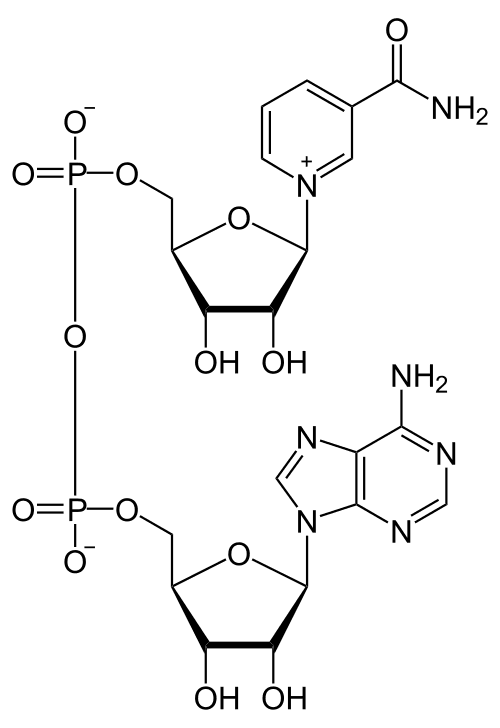
NAD+ reaches a practice menu as a compounded preparation, made by a 503A pharmacy for an identified patient on a prescriber’s order. Nicotinamide adenine dinucleotide is a coenzyme every cell uses, and FDA states that compounded drugs are not FDA-approved; NAD sits on FDA’s list of nominated bulk substances that are still under evaluation for 503A compounding.
This guide covers the supply side of NAD+ IV and related formats for practitioners. It sets out what NAD+ is, the formats a 503A pharmacy may compound, how FDA’s documents place the substance, why storage and beyond-use dates belong to each formulation, what the small human record has measured, and what a practice keeps on file.
Regulatory Position
Compounded preparations are not FDA-approved, and FDA states that it does not verify their safety, effectiveness or quality before they are marketed. FDA lists NAD in category 1 of its interim policy for bulk substances nominated to the 503A bulks list, which its 503A bulks page describes as the route for substances that have no USP or NF monograph and are not a component of an FDA-approved drug product. ExaVeyra is a supplier: the prescriber decides whether a preparation fits a patient, the 503A pharmacy partner compounds and dispenses it on a patient-specific prescription, and this guide describes supply, documentation and the published evidence.
Understanding NAD+ as a coenzyme with two distinct roles
Covarrubias and colleagues reviewed NAD+ biology in 2021 and described the molecule (Fig. 1) as a coenzyme for the redox reactions of energy metabolism and as a cofactor consumed by sirtuins, CD38 and the PARP enzymes. They reported a gradual decline in tissue and cellular NAD+ with age in model organisms including humans, and wrote that much remains to be learned, including whether restoring NAD+ is safe.
The pool turns over constantly. Liu and colleagues traced NAD synthesis and breakdown with isotopes in 2018 and reported fluxes that varied widely between tissues; in mice, intravenous nicotinamide riboside or mononucleotide reached multiple tissues intact, while the same molecules taken orally were converted to nicotinamide in the liver.
That route difference is why the precursor literature and the NAD+ literature are read separately. Freeberg and colleagues reviewed oral nicotinamide riboside and mononucleotide in 2023 and reported that they were safe, tolerable and raised NAD+ metabolites, while small samples and varied regimens limited what the physiological outcomes could show; NAD+ given intravenously is a different molecule on a different route.
Identifying the NAD+ formulations a 503A pharmacy may compound
FDA’s summary of the compounding laws lists the valid patient-specific prescription among the conditions of section 503A, so every NAD+ preparation from a 503A pharmacy begins with a prescriber, a patient and an order. The formulation, its container and its labeled storage come from the pharmacy, and the clinical plan comes from the prescriber.
The ExaVeyra catalog lists two NAD+ formats from its 503A pharmacy partner: a sterile injectable solution in a vial and a nasal spray. Each carries its own beyond-use date and per-fill limit, and strengths, state coverage and current availability are confirmed through an account manager before the first prescription is sent.
| Format | How it is supplied | What sets its dating | What to confirm with the pharmacy |
|---|---|---|---|
| Injectable solution, vial | Sterile preparation dispensed on a patient-specific prescription | The shorter of the sterility limit and the chemical stability of that formulation, per Martin 2018 | Storage temperature, light protection, and in-use dating after the first puncture |
| Nasal spray | Compounded spray dispensed on a patient-specific prescription | The pharmacy’s dating for that preparation, printed on the label | Storage conditions and the beyond-use date on each label |
| Any preparation step in the practice | Governed by state rules and the practice’s own procedures | The practice’s procedure and the source label, whichever is stricter | What the pharmacy and state board expect to be recorded |
FDA describes a 503A preparation as compounded for an identified patient on a valid prescription and describes orders that are not for an identified patient, such as office stock, as filled by a registered 503B outsourcing facility, which follows current good manufacturing practice. Every compounded preparation reached through ExaVeyra is dispensed by its 503A pharmacy partner on a patient-specific prescription.
Reading NAD+ regulatory status from FDA’s own documents
FDA states that a 503A compounder may use a bulk substance that meets a USP or NF monograph, is a component of an FDA-approved drug, or appears on the 503A bulks list, and that the substance must come with a valid certificate of analysis from an FDA-registered establishment. While nominations to the list are evaluated, FDA’s interim policy sorts nominated substances into three categories.
FDA’s list of nominated substances, updated 14 May 2026, places nicotinamide adenine dinucleotide (NAD) and its reduced disodium form (NADH) in category 1, substances under evaluation. FDA states that it does not intend to take action against a compounder using a category 1 substance, provided the conditions in its guidance are met.
The same list places a beta-NAD disodium salt trihydrate in category 3, substances nominated without adequate support, so the exact bulk form a pharmacy uses is a fair question. Placements also move: the list records that GHK-Cu, for routes other than injection, was removed from category 1 on 22 April 2026 after its nominations were withdrawn, and was added back to category 1 once a nominator clarified on 5 May 2026 that it had withdrawn only the injectable route.
FDA has also addressed the grade of the bulk substance. In a reminder to compounders, current as of 30 October 2024, the agency states that it is aware of compounders using food-grade NAD+ sold by repackagers to make intravenous products, and that ingredients identified as food grade are not suitable for compounding sterile drugs without appropriate processing. The same notice states that FDA has received adverse event reports following use of NAD+ injectable drugs and describes the reported reactions as consistent with excessive levels of endotoxins. FDA encourages compounders to know their bulk and excipient suppliers and whether an ingredient is appropriate for use in drugs, so the grade of the bulk substance and its certificate of analysis are items a practice can ask its pharmacy about.
| Question | What FDA states | Source |
|---|---|---|
| Is compounded NAD+ FDA-approved? | Compounded drugs are not FDA-approved, and FDA does not verify their safety, effectiveness or quality before marketing | FDA compounding questions and answers |
| Where does NAD sit in FDA’s interim policy? | In category 1, under evaluation for the 503A bulks list; FDA states it does not intend to take action when its guidance conditions are met | FDA nominated-substances list, 14 May 2026 |
| Which forms are listed? | NAD and NADH in category 1; beta-NAD disodium salt trihydrate in category 3 | FDA nominated-substances list, 14 May 2026 |
| What must the bulk substance carry? | A valid certificate of analysis from an FDA-registered establishment | FDA 503A bulks page, 14 May 2026 |
| What does each preparation require? | A valid patient-specific prescription | FDA compounding laws page |
| Where does office stock come from? | A 503B outsourcing facility following current good manufacturing practice, as a general description; this guide does not address 503B supply of NAD+ | FDA compounding laws page |
Reading storage and beyond-use dates as formulation-specific
Martin described in 2018 how a compounding pharmacist sets a beyond-use date for a sterile preparation: the date is the shorter of the microbiological limit under USP chapter 797, as the chapter stood in 2018, and the chemical stability of the compound. Storage temperature, batch size and sterility testing all enter the calculation, and chemical stability is assessed separately for each formulation.
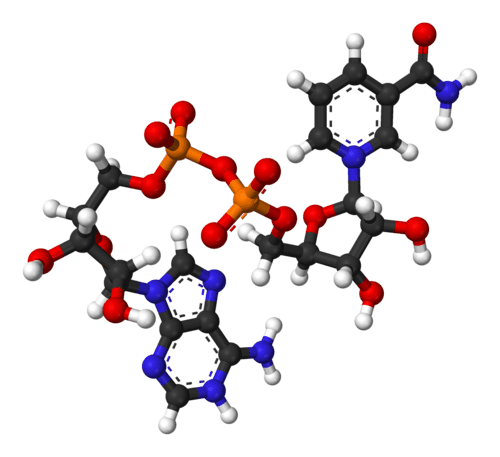
NAD+ chemistry shows why. Wolfe and colleagues measured NAD+ and NADH in three laboratory buffers for up to 43 days in 2024 and reported that both were highly stable in Tris, degraded faster in sodium phosphate and HEPES, and that a mild rise in temperature mattered for long-term stability; the vehicle and the temperature set the stability of the same molecule (Fig. 2).
In practice the label on each dispensed preparation is the instruction that governs. The two catalog formats carry different beyond-use dates, and a receiving check that reads the date, storage conditions and lot number from every label belongs in the practice’s standard operating procedure.
Interpreting the small human record on intravenous NAD+
Grant and colleagues ran the first located study of infused NAD+ in 2019, following plasma and urine metabolites in 11 healthy men, eight infused and three controls, during a single intravenous infusion. They reported no change in plasma NAD+ or its measured metabolites for the first two hours, a metabolite profile consistent with enzymatic breakdown, and NAD+ and methylnicotinamide in urine by the end of the infusion; the study was funded in part by a company tied to a wellness center offering IV NAD.
Reyna and colleagues reviewed records from a commercial wellness operator in 2026, comparing six clients who received NAD+ infusions with eight who received nicotinamide riboside. They reported infusion-related symptoms that resolved when each infusion ended, and longer mean infusion times with NAD+ than with nicotinamide riboside. Over 30 days the liver enzymes ALT and AST, high-sensitivity C-reactive protein, the blood urea nitrogen to creatinine ratio and thyroid-stimulating hormone did not change significantly, while alkaline phosphatase, staying within the normal range, and HDL cholesterol fell significantly in the NAD+ group. All authors worked for the operator that funded the study.
Gallagher and Emmanuel reviewed 113 studies in a 2026 systematic review and found no eligible outcome trials of intravenous or intramuscular NAD+ itself, counting the infusion pilot as context only. Pandolfi and colleagues reached a similar reading in 2026, describing intravenous NAD+ as less well characterized than oral precursors and still lacking solid clinical validation. Both reviews point to well-designed clinical studies as the next step, and one registered randomized comparison of injectable routes is summarized in the table below.
| Source | Design | n | What was measured | Funding or ties |
|---|---|---|---|---|
| Grant 2019 | Pilot with randomized control group, single infusion | 11 | Plasma and urine NAD+ metabolome | NAD+ research company and an academic institute; conducted at a wellness center |
| Reyna 2026 | Retrospective record review, NAD+ against nicotinamide riboside | 14 | Symptoms, infusion time, vital signs, blood markers to 30 days | Commercial wellness operator employing all authors |
| NCT06919328 | Registered randomized, quadruple-masked, nine arms by route | 70 (estimated) | Discomfort with intramuscular, subcutaneous and IV push routes | Research institute with an NR manufacturer as collaborator |
| Gallagher 2026 | PRISMA-guided systematic review | 113 studies | Human and rodent NAD+ interventions, 2010 to 2025 | First author linked to an aesthetics clinic that offers no NAD+ infusions |
Locating exosomes and NAD+ within the vesicle literature
The link between exosomes and NAD+ in the literature runs through an enzyme. Yoshida and colleagues reported in 2019 that extracellular NAMPT, the rate-limiting enzyme of NAD+ salvage, circulates inside extracellular vesicles in mice and humans and declines with age, and that vesicles from young mice raised NAD+ biosynthesis in cells and extended lifespan when given to aged mice.
Chong and colleagues reported in 2022 that moderate exercise increased small vesicle release and vesicle NAMPT content in human participants, most in the young and fit, with two authors employed by a vesicle company. Yoshioka and colleagues reported in 2025 that purified NAMPT vesicles from human plasma raised hypothalamic NAD+ in mice.
This is basic science about vesicles the body makes, and this review located no study pairing supplied exosome material with a NAD+ preparation. The two reach a practice through separate supply lines, each with its own documentation.
Understanding the scope of the published evidence
The clinical record on parenteral NAD+ is early and its gaps are specific. Gallagher and Emmanuel called for larger randomized trials with longer follow-up and prespecified endpoints, particularly for parenteral routes, and most of the points below would be settled by such a trial.
- Gallagher 2026 found no eligible outcome trials of intravenous or intramuscular NAD+ among 113 studies.
- The located human intravenous studies enrolled 11 and 14 participants, and both had funding or employment ties to wellness operators offering infusions.
- Where infused NAD+ goes in humans is unsettled: Grant 2019 saw it cleared from plasma for two hours, and the tissue data in Liu 2018 come from mice.
- Oral precursor results, reviewed by Freeberg 2023, concern different molecules on a different route and do not transfer to intravenous NAD+.
- Poljšak 2022 noted unknowns in bioavailability, metabolism and tissue specificity, and a lack of long-term safety studies.
- This review located no human pharmacokinetic study of a compounded NAD+ nasal spray.
- The vesicle NAMPT findings of Yoshida 2019 and Yoshioka 2025 come from mice, and Chong 2022 measured vesicle effects on cultured cells, with no outcome measured in people.
- The registered comparison of injectable routes, NCT06919328, has posted no results, and its record has not been updated since April 2025.
The reviewers’ call for prespecified endpoints and the registered comparison of routes show where the next data will come from, and the documentation in the next section lets a practice read those results against its own records.
Documenting a NAD+ program and what to ask
Watson and colleagues reviewed US compounding errors from 1990 to 2020 in a 2021 systematic review and reported that contamination errors, mostly from bulk distribution of parenteral products, affected far more patients than concentration errors. A sterile NAD+ preparation therefore warrants the fullest documentation a practice keeps, from bulk source to patient record.
- The bulk form the pharmacy uses and its current FDA category, read against the nominated-substances list
- Confirmation that the bulk substance came with a valid certificate of analysis from an FDA-registered establishment
- The pharmacy’s license status for your state, rechecked whenever a location is added
- The prescription, the prescriber and the identified patient for every preparation, with the dispensing record
- The format, beyond-use date, storage conditions, light protection and lot number from each label
- In-use dating after the first puncture of a vial, and the time of any preparation step in the practice
- Tolerability observations during and after each session, the endpoints the published studies recorded
- Any adverse event, with the lot number, reported to the dispensing pharmacy and to FDA through MedWatch
- The date you last checked FDA’s nominated-substances list for NAD
Practices that build a NAD+ offering on clean prescriptions, current FDA checks and complete records will be ready to read the controlled trials as they report, and the registered comparison of injectable routes is one sign that such work has begun. ExaVeyra supports that work as a supplier, connecting NPI-verified practices with its 503A pharmacy partner and the documentation behind each preparation. Niagen is a trademark of its owner, named here only because it appears in a trial registration.
Aviso Educativo: This article is for educational purposes only and does not constitute medical or legal advice. It does not identify any material, compound, device setting or protocol as safe, effective or appropriate for any patient, and it is not intended to diagnose, treat, cure, or prevent any disease. Questions about a treatment belong with the reader’s own licensed provider. Exosome material is supplied for topical aesthetic use by licensed practitioners. No exosome product is FDA-approved for any use, and ExaVeyra Sciences makes no statement about administration, route, or outcome. Compounded medications are not FDA-approved. They are prepared by a 503A compounding pharmacy licensed by the Texas State Board of Pharmacy for an individual patient against that patient’s prescription, and are available to NPI-verified licensed practitioners only, in the states where the pharmacy is licensed. Product, device and brand names mentioned are trademarks of their respective owners and are used only to identify the products discussed. Their mention is not an endorsement, and those owners have not reviewed or endorsed this article. ExaVeyra Sciences is a supplier and takes no part in any diagnosis, treatment decision, or plan of care. Findings described are attributed to the peer-reviewed literature, trial registries and agencies cited. The content of these guides is provided for general informational purposes only. It does not constitute legal, medical, or regulatory advice, and does not establish that any particular product or practice is compliant. Regulatory requirements vary by state and depend on the circumstances of each practice. Each practitioner should consult their own legal counsel and the applicable state licensing boards before acting on anything stated here.
Referencias
- 1.U.S. Food and Drug Administration. Bulk Drug Substances Nominated for Use in Compounding Under Section 503A of the Federal Food, Drug, and Cosmetic Act (categories 1, 2 and 3). Updated 14 May 2026. https://www.fda.gov/media/94155/downloadAgency list (PDF) linked from the 503A bulks page, accessed 22 November 2026. Carries in this article: nicotinamide adenine dinucleotide (NAD) and nicotinamide adenine dinucleotide disodium reduced (NADH) appear in category 1, bulk drug substances under evaluation; beta-nicotinamide adenine dinucleotide disodium salt trihydrate appears in category 3, nominated without adequate support; and the record that GHK-Cu (except for injectable routes) was removed from category 1 on 22 April 2026 after its nominations were withdrawn and added back to category 1 after a nominator clarified on 5 May 2026 that it had withdrawn only the injectable route, which shows that placements change.
- 2.U.S. Food and Drug Administration. Bulk Drug Substances Used in Compounding Under Section 503A of the FD&C Act. Content current as of 14 May 2026. https://www.fda.gov/drugs/human-drug-compounding/bulk-drug-substances-used-compounding-under-section-503a-fdc-actAgency web page, accessed 22 November 2026. Carries in this article: the three routes by which a bulk substance qualifies for 503A compounding (USP or NF monograph, component of an FDA-approved drug, the 503A bulks list); the requirement that bulk substances come with a valid certificate of analysis from an establishment registered with FDA; that the 503A bulks list applies where no such monograph exists and the substance is not a component of an FDA-approved drug product; and the interim policy under which FDA does not intend to take action against a compounder using a category 1 substance, provided the conditions in the guidance are met.
- 3.U.S. Food and Drug Administration. Compounding and the FDA: Questions and Answers. Content current as of 16 September 2025. https://www.fda.gov/drugs/human-drug-compounding/compounding-and-fda-questions-and-answersAgency questions and answers page, accessed 22 November 2026. Carries in this article: compounded drugs are not FDA-approved, FDA does not verify their safety, effectiveness or quality before they are marketed, and they should only be used in patients whose medical needs cannot be met by an FDA-approved drug.
- 4.U.S. Food and Drug Administration. Human Drug Compounding Laws. Content current as of 17 December 2024. https://www.fda.gov/drugs/human-drug-compounding/human-drug-compounding-lawsAgency web page, accessed 22 November 2026. Carries in this article: section 503A conditions, including compounding on receipt of a valid patient-specific prescription, and the description of 503B outsourcing facilities, which follow current good manufacturing practice and may fill a provider order that is not for an identified patient, such as office stock.
- 5.U.S. Food and Drug Administration. MedWatch: The FDA Safety Information and Adverse Event Reporting Program. Content current as of 20 November 2026. https://www.fda.gov/safety/medwatch-fda-safety-information-and-adverse-event-reporting-programAgency program page, accessed 22 November 2026. Carries in this article: the federal channel for reporting an adverse event, named in the documentation list.
- 6.Gallagher C, Emmanuel OO. NAD⁺ supplementation for anti-aging and wellness: A PRISMA-guided systematic review of preclinical and clinical evidence. Ageing Res Rev. 2026;116:103057. PMID 41655607. doi:10.1016/j.arr.2026.103057PRISMA-guided systematic review of human and rodent intervention studies, January 2010 to October 2025; 113 studies, 33 human (28 randomized, 5 nonrandomized) and 80 rodent. Carries in this article: no eligible outcome trials evaluated intravenous or intramuscular NAD+ itself; oral NR and NMN showed biochemical target engagement and were generally well tolerated, with heterogeneous and often null functional outcomes; the intravenous NAD+ pharmacokinetic pilot was counted as contextual evidence only. Disclosure: the first author owns a management services organization serving an aesthetics clinic that, per the statement, does not offer NAD+ infusions.
- 7.Reyna K, Heinzen G, Patel N, Ritter M, Siojo A, Legere H, Pojednic R. Intravenous infusion of nicotinamide adenine dinucleotide (NAD+) versus nicotinamide riboside (NR): a retrospective tolerability pilot study in a real-world setting. Front Aging. 2026;7:1652582. PMID 41704678. PMC12907335. doi:10.3389/fragi.2026.1652582Retrospective review of electronic records from one commercial wellness operator, 30 days of follow-up; n = 14 (6 NAD+, 8 NR). Carries in this article: during NAD+ infusion participants reported moderate to severe gastrointestinal symptoms, increased heart rate and chest pressure that resolved when infusion ended; longer mean infusion time with NAD+; no significant changes in ALT, AST, hsCRP, BUN/creatinine or TSH. Disclosure: all authors were employed by the operator, which funded the study; the NR was donated by its manufacturer.
- 8.Grant R, Berg J, Mestayer R, Braidy N, Bennett J, Broom S, Watson J. A Pilot Study Investigating Changes in the Human Plasma and Urine NAD+ Metabolome During a 6 Hour Intravenous Infusion of NAD. Front Aging Neurosci. 2019;11:257. PMID 31572171. PMC6751327. doi:10.3389/fnagi.2019.00257Pilot study with a randomized control group; healthy men aged 30 to 55; n = 11 (8 infused, 3 control). Carries in this article: no change in plasma NAD+ or its measured metabolites until after 2 hours of the infusion, a metabolite profile consistent with NAD+ glycohydrolase and pyrophosphatase activity, and urinary excretion of NAD+ and methylnicotinamide. Disclosure: funded jointly by an NAD+ research company and an academic research institute and conducted at a wellness center offering IV NAD; one author directs both the company and the center.
- 9.Nutraceuticals Research Institute (sponsor), with ChromaDex, Inc. (collaborator). Absorption and Tolerability of Injectable Administration of Niagen+, Nicotinamide Riboside Chloride, a Specialized Form of Vitamin B3, as Compared to NAD+: a Double Blinded, Randomized, Controlled Clinical Trial. Start 31 October 2024; status recruiting, last updated 9 April 2025. ClinicalTrials.gov NCT06919328Registered randomized, parallel, quadruple-masked trial with nine arms: NR, NAD+ or placebo, each by intramuscular, subcutaneous or IV push routes; estimated n = 70. Carries in this article: the only located registered head-to-head comparison of injectable NAD+ routes, with primary outcomes of discomfort (McGill Pain Questionnaire and subjective discomfort). No results posted as of 22 Nov 2026, and the record was last updated on 9 April 2025 with an estimated completion of June 2025. Industry collaborator: a company that markets NR.
- 10.Pandolfi S, Ghezzi C, Björklund G, Metalla M, Paone FM, Chirumbolo S. NAD⁺ biology and supplementation: From mechanisms to clinical perspectives. Mol Biol Rep. 2026;53(1):1249. PMID 42489969. PMC13395945. doi:10.1007/s11033-026-12351-3Narrative review with a mathematical modeling framework. Carries in this article: intravenous NAD+ is less well characterized than oral precursors and still lacks solid clinical validation, and NAD+ responses are nonlinear and shaped by route, age and metabolic state. The authors declared no competing interests.
- 11.Freeberg KA, Udovich CC, Martens CR, Seals DR, Craighead DH. Dietary Supplementation With NAD+-Boosting Compounds in Humans: Current Knowledge and Future Directions. J Gerontol A Biol Sci Med Sci. 2023;78(12):2435-2448. PMID 37068054. PMC10692436. doi:10.1093/gerona/glad106Narrative review of chronic oral supplementation with NR, NR with pterostilbene, and NMN in human studies. Carries in this article: oral precursors were safe and tolerable and raised NAD+ and related metabolites, while varied dosing, durations and small samples limit interpretation of physiological outcomes; the reason precursor data do not transfer to intravenous NAD+. Disclosure: the authors hold a material transfer agreement with an NR manufacturer to receive NR for study purposes.
- 12.Poljšak B, Kovač V, Milisav I. Current Uncertainties and Future Challenges Regarding NAD+ Boosting Strategies. Antioxidants (Basel). 2022;11(9):1637. PMID 36139711. PMC9495723. doi:10.3390/antiox11091637Narrative review. Carries in this article: many unknowns in pharmacokinetics and pharmacodynamics, including bioavailability, metabolism and tissue specificity, and the lack of long-term safety studies. The authors declared no conflict of interest.
- 13.Covarrubias AJ, Perrone R, Grozio A, Verdin E. NAD+ metabolism and its roles in cellular processes during ageing. Nat Rev Mol Cell Biol. 2021;22(2):119-141. PMID 33353981. PMC7963035. doi:10.1038/s41580-020-00313-xNarrative review. Carries in this article: NAD+ as a redox coenzyme and as a cofactor for sirtuins, CD38 and PARPs; the gradual decline in tissue and cellular NAD+ reported with age in model organisms including humans; and the authors’ statement that much remains to be learned, including whether restoring NAD+ is safe. Disclosure: the senior author co-founded a biotechnology company that supports research by three authors; one author is an inventor on a licensed NMN transporter patent.
- 14.Liu L, Su X, Quinn WJ 3rd, Hui S, Krukenberg K, Frederick DW, et al. Quantitative Analysis of NAD Synthesis-Breakdown Fluxes. Cell Metab. 2018;27(5):1067-1080.e5. PMID 29685734. PMC5932087. doi:10.1016/j.cmet.2018.03.018Isotope-tracer study in cell lines and mice. Carries in this article: NAD fluxes varied widely across tissues, and intravenous NR or NMN delivered intact molecules to multiple tissues while the same agents given orally were metabolized to nicotinamide in the liver, which is why route is studied separately. Animal data. No COI statement in the PubMed record.
- 15.Yoshida M, Satoh A, Lin JB, Mills KF, Sasaki Y, Rensing N, et al. Extracellular Vesicle-Contained eNAMPT Delays Aging and Extends Lifespan in Mice. Cell Metab. 2019;30(2):329-342.e5. PMID 31204283. PMC6687560. doi:10.1016/j.cmet.2019.05.015Mouse study with human plasma measurements. Carries in this article: extracellular NAMPT, the rate-limiting enzyme of NAD+ salvage, is carried in extracellular vesicles in mice and humans and declines with age; vesicles from young mice raised NAD+ biosynthesis in cells and, given to aged mice, improved wheel-running and extended lifespan. Disclosure: one author receives patent-licensing fees from two companies through Washington University; another co-founded a biotechnology company.
- 16.Chong MC, Silva A, James PF, Wu SSX, Howitt J. Exercise increases the release of NAMPT in extracellular vesicles and alters NAD+ activity in recipient cells. Aging Cell. 2022;21(7):e13647. PMID 35661560. PMC9282849. doi:10.1111/acel.13647Human exercise study with cell experiments. Carries in this article: moderate-intensity exercise increased the release of small vesicles and their eNAMPT content, most in young, aerobically fit participants, and vesicles from exercising participants changed NAD+ abundance and SIRT1 activity in recipient cells. Disclosure: two authors were employees of an extracellular vesicle company, and one author was a consultant to it.
- 17.Yoshioka K, Sugimoto T, Oyabu M, Ito N, Kodama A, Kamei Y, Imai SI. Human plasma-derived eNAMPT-containing extracellular vesicles promote NAD+ biosynthesis and thermogenesis in mice. NPJ Aging. 2025;11(1):106. PMID 41285826. PMC12749881. doi:10.1038/s41514-025-00297-yMouse study using purified vesicles from human plasma. Carries in this article: human plasma eNAMPT vesicles raised hypothalamic NAD+ in mice, an effect negated by NAMPT inhibition. Disclosure: the senior author receives patent-licensing fees through Washington University and is co-CEO of a biotechnology company.
- 18.Martin M. Basics of Sterile Compounding: Criteria for Determining Beyond-use Dating. Int J Pharm Compd. 2018;22(4):303-312. PMID 30021186Educational review for compounding pharmacists. Carries in this article: a sterile preparation’s beyond-use date takes the shorter of the microbiological limit under USP chapter 797 and the chemical stability of the compound, weighing storage temperature, batch size and sterility testing, and chemical stability is a separate consideration for each formulation. Describes the chapter as it stood in 2018; the pharmacy’s current dating governs. Affiliation: a compounding supply and education organization.
- 19.Wolfe KD, Alahuhta M, Himmel ME, Bomble YJ, Jennings GK, Cliffel DE. Long-Term Stability of Nicotinamide Cofactors in Common Aqueous Buffers: Implications for Cell-Free Biocatalysis. Molecules. 2024;29(22):5453. PMID 39598842. PMC11597533. doi:10.3390/molecules29225453Laboratory stability study of NAD+ and NADH in sodium phosphate, HEPES and Tris buffers at 19 and 25 °C for up to 43 days. Carries in this article: both cofactors were highly stable in Tris, degradation was faster in sodium phosphate and HEPES, and a mild temperature rise mattered, showing that vehicle and temperature set the stability of the same molecule. A biocatalysis study, cited for chemistry only. The authors declared no conflicts.
- 20.Watson CJ, Whitledge JD, Siani AM, Burns MM. Pharmaceutical Compounding: a History, Regulatory Overview, and Systematic Review of Compounding Errors. J Med Toxicol. 2021;17(2):197-217. PMID 33140232. PMC7605468. doi:10.1007/s13181-020-00814-3Historical and regulatory review with a systematic review of US compounding errors reported from 1990 to 2020; 63 errors identified. Carries in this article: contamination errors, mostly from bulk distribution of parenteral products, affected far more patients than concentration errors, which is why sterile preparations carry the closest documentation. Disclosure: one author is a section editor at UpToDate; the others reported no conflicts.
- 21.U.S. Food and Drug Administration. FDA reminds compounders to use ingredients suitable for sterile compounding. Content current as of 30 October 2024. https://www.fda.gov/drugs/human-drug-compounding/fda-reminds-compounders-use-ingredients-suitable-sterile-compoundingAgency compounding notice, accessed 22 November 2026. Carries in this article: FDA is aware of compounders using food-grade NAD+ sold by repackagers to make intravenous products; ingredients identified as food grade are not suitable for compounding sterile drugs without appropriate processing; FDA has received adverse event reports following use of NAD+ injectable drugs that it describes as consistent with excessive levels of endotoxins; and FDA encourages compounders to know their bulk and excipient suppliers and whether an ingredient is appropriate for use in drugs.
Créditos de imágenes
- Fig. 1NEUROtiker, Wikimedia Commons, Public domain. ↩
- Fig. 2Ben Mills, Wikimedia Commons, Public domain. ↩