Why the Supply Chain Matters as Much as the Protocol
Hormone optimization clinics operate at the intersection of personalized medicine and pharmaceutical compounding. The preparations these clinics order, from testosterone, estradiol and progesterone formulations to growth hormone secretagogues, are discussed in a growing peer-reviewed literature.
What receives less attention is the supply chain that delivers those compounds to the clinic. For 503A compounded preparations, the supply chain is a quality control function, not a commodity function. The potency, purity, and stability of a compounded hormone preparation are determined by the analytical methodology the pharmacy uses to release each lot, the sourcing of the active pharmaceutical ingredient (API), and the formulation science applied to the specific dosage form. None of these variables are visible on the label.
This article examines the chemistry and regulatory framework behind 503A compounded HRT supply, the analytical standards that distinguish a well-characterized preparation from a poorly characterized one, and the questions a clinic should put to any compounding pharmacy before it prescribes.
503A Compounding: The Regulatory Framework
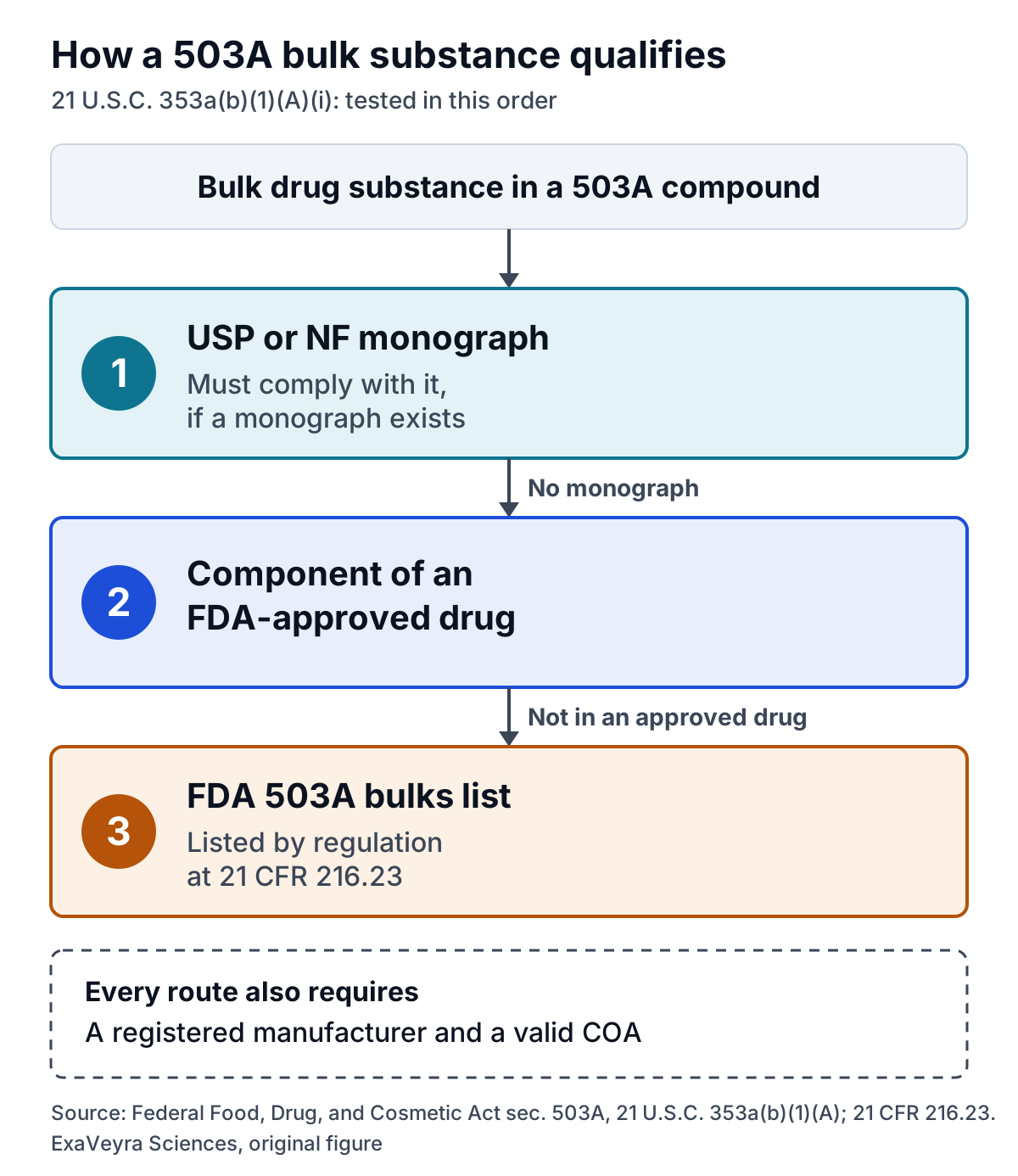
Section 503A of the Federal Food, Drug, and Cosmetic Act governs patient-specific compounding by licensed pharmacies. A 503A pharmacy may compound a preparation for an identified patient on a valid prescription, using a bulk drug substance that qualifies by one of three routes set out in 21 U.S.C. 353a(b)(1)(A): it complies with a United States Pharmacopeia (USP) or National Formulary (NF) monograph where one exists; it is a component of an FDA-approved drug where no monograph exists; or it appears on FDA’s 503A bulks list at 21 CFR 216.23. The statute also bars compounding, regularly or in inordinate amounts, preparations that are essentially copies of a commercially available drug.

The distinction between 503A and 503B outsourcing facilities is operationally significant for hormone optimization clinics. 503A preparations are patient-specific, meaning each preparation is compounded for an identified patient under a valid prescription. 503B outsourcing facilities manufacture larger batch quantities without patient-specific prescriptions and are subject to FDA inspection and cGMP requirements. For clinics ordering hormone preparations for individual patients, the 503A pathway is the appropriate and legally compliant structure.
A critical consideration for hormone optimization clinics is that 503A pharmacies are not required by federal regulations to include the comprehensive product labels required for FDA-approved products (National Academies of Sciences, Engineering, and Medicine. The Clinical Utility of Compounded Bioidentical Hormone Therapy, 2020. https://www.ncbi.nlm.nih.gov/books/NBK562875/). This means the documentation discipline of the supplying pharmacy, rather than the label, is the primary quality assurance mechanism available to the prescribing clinician.
The Analytical Chemistry of Hormone Preparations
Testosterone: Formulation and Potency Verification
Testosterone is available through 503A compounding in multiple delivery formats, each with distinct pharmacokinetic profiles and analytical requirements.
Injectable formats include testosterone cypionate and testosterone enanthate in various concentrations and carrier oils. The carrier oil selection affects injection site tolerability and the viscosity of the preparation, with grape seed oil generally better tolerated than cotton seed oil for subcutaneous administration.
A 2024 multidisciplinary study published in Pharmaceutics characterized a compounded testosterone topical gel and validated a UPLC assay method to confirm its potency and stability (Banov et al., Pharmaceutics, 2024. https://doi.org/10.3390/pharmaceutics16050621). The study confirmed that testosterone can penetrate into and through ex vivo human skin using the Franz finite dose model, and that the UPLC assay method demonstrated stability across the compounded formulation range.
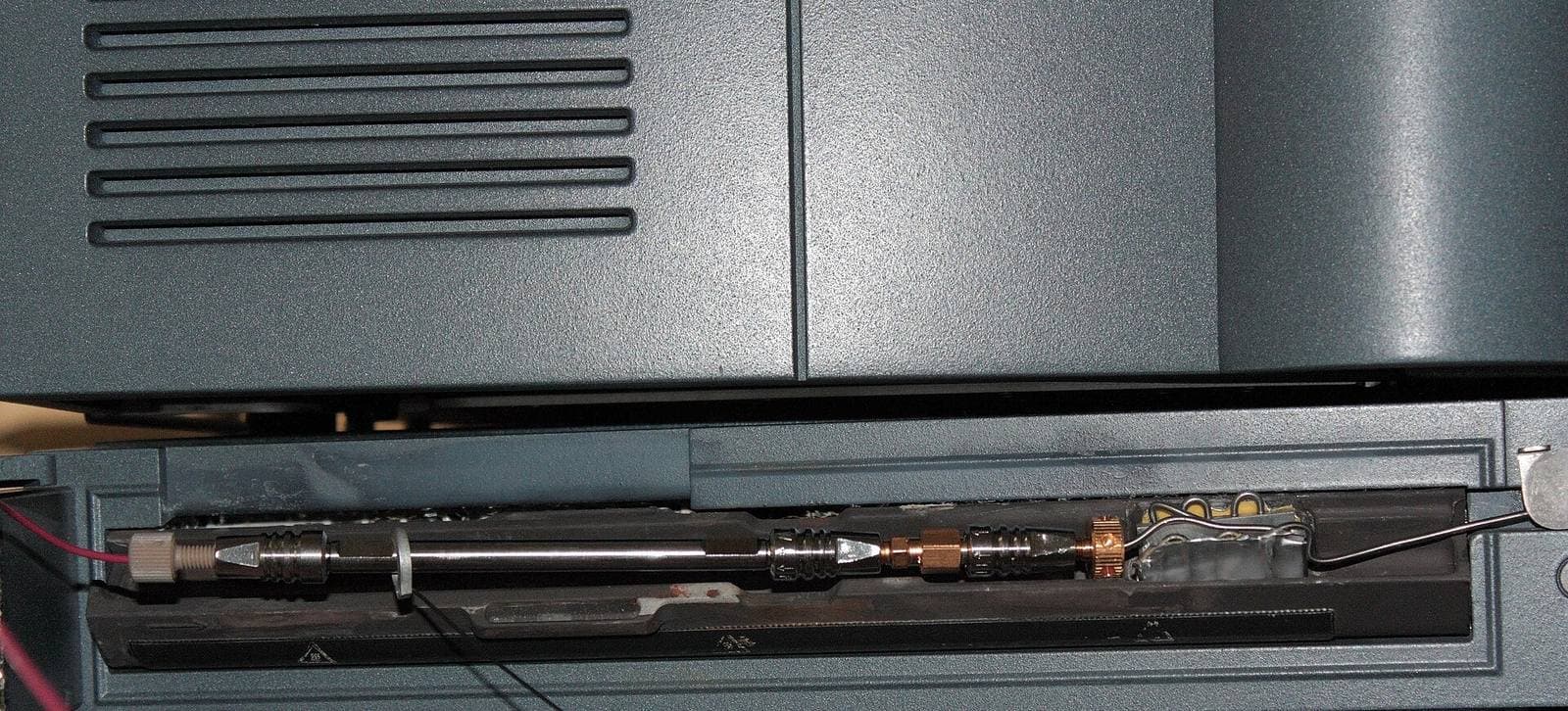
The analytical benchmark for testosterone potency testing is HPLC or UPLC with UV detection. A COA that reports only a pass/fail potency result without the assay method, acceptance criteria, and analyst documentation does not provide sufficient information to verify the released concentration. A blinded study of ten compounding pharmacies found significant variability in testosterone concentration both within and between pharmacies, which underlines the importance of rigorous analytical release testing (Grober et al., Journal of Sexual Medicine, 2015. https://doi.org/10.1111/jsm.12898).
Estradiol and Progesterone: Women's Health Formulations
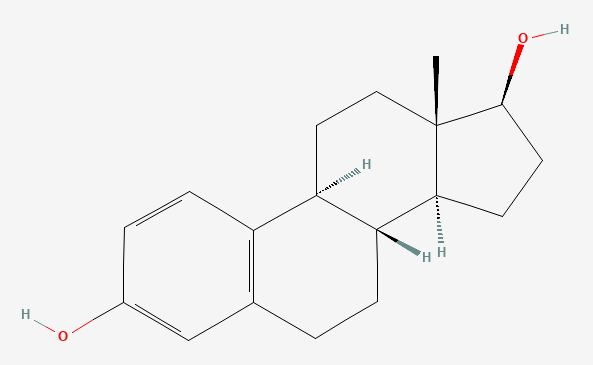
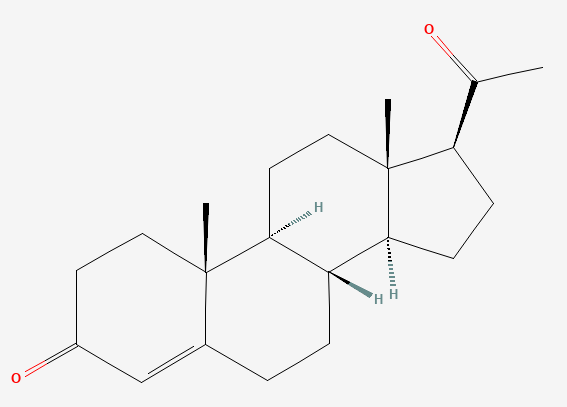
Estradiol and progesterone are compounded in oral capsule, sustained-release capsule and topical cream formats, and each format raises its own analytical questions.
The ACOG Clinical Consensus on Compounded Bioidentical Menopausal Hormone Therapy (November 2023) provides the most current evidence-based framework for clinicians evaluating compounded versus FDA-approved HRT options (ACOG Clinical Consensus No. 6, Obstetrics and Gynecology, 2023. https://www.acog.org/clinical/clinical-guidance/clinical-consensus/articles/2023/11/compounded-bioidentical-menopausal-hormone-therapy). The consensus document notes that FDA-approved bioidentical hormone preparations including estradiol and progesterone are available commercially and should be considered before prescribing compounded alternatives. Where compounded preparations are clinically indicated, the prescribing physician bears responsibility for ensuring the supplying pharmacy meets appropriate quality standards.
A 2025 narrative review on menopausal hormone therapy concluded that benefit-risk depends on timing, route, and dose, with initiation within 10 years of menopause and transdermal estradiol at low to moderate doses favored when cardiometabolic or thrombotic risk is a consideration (Arnautu et al., International Journal of Molecular Sciences, 2025. https://doi.org/10.3390/ijms262211098).
For potency testing, estradiol and progesterone preparations should be tested by HPLC with UV or fluorescence detection. Progesterone in sustained-release capsule formats requires dissolution testing in addition to potency assay to confirm the release profile matches the labeled specification.
The Bi-Est and Combination Formulations
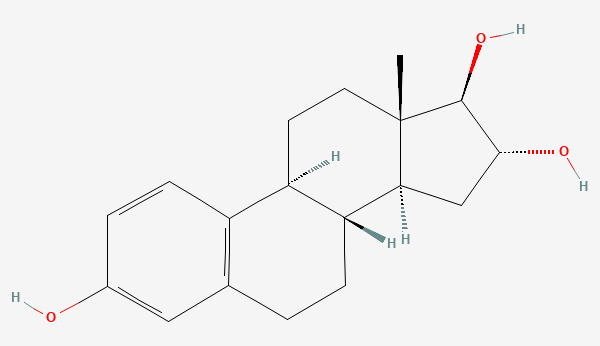
Bi-Est combines estradiol and estriol, commonly in ratios of 80/20 or 50/50, and some combination creams add progesterone and testosterone to the same topical base.
Combination preparations introduce additional analytical complexity. Each active ingredient requires its own potency assay, and the presence of multiple steroids in a single matrix can create analytical interference if the assay method is not appropriately validated for the specific combination. Clinicians should request individual potency results for each active ingredient, rather than a single combined assay pass, when evaluating COA documentation for multi-ingredient preparations.
Growth Hormone Secretagogues: Regulatory Status and Clinical Context
The growth hormone secretagogue category requires a careful regulatory briefing before clinical discussion because the status of several compounds has changed materially since 2023.
Sermorelin
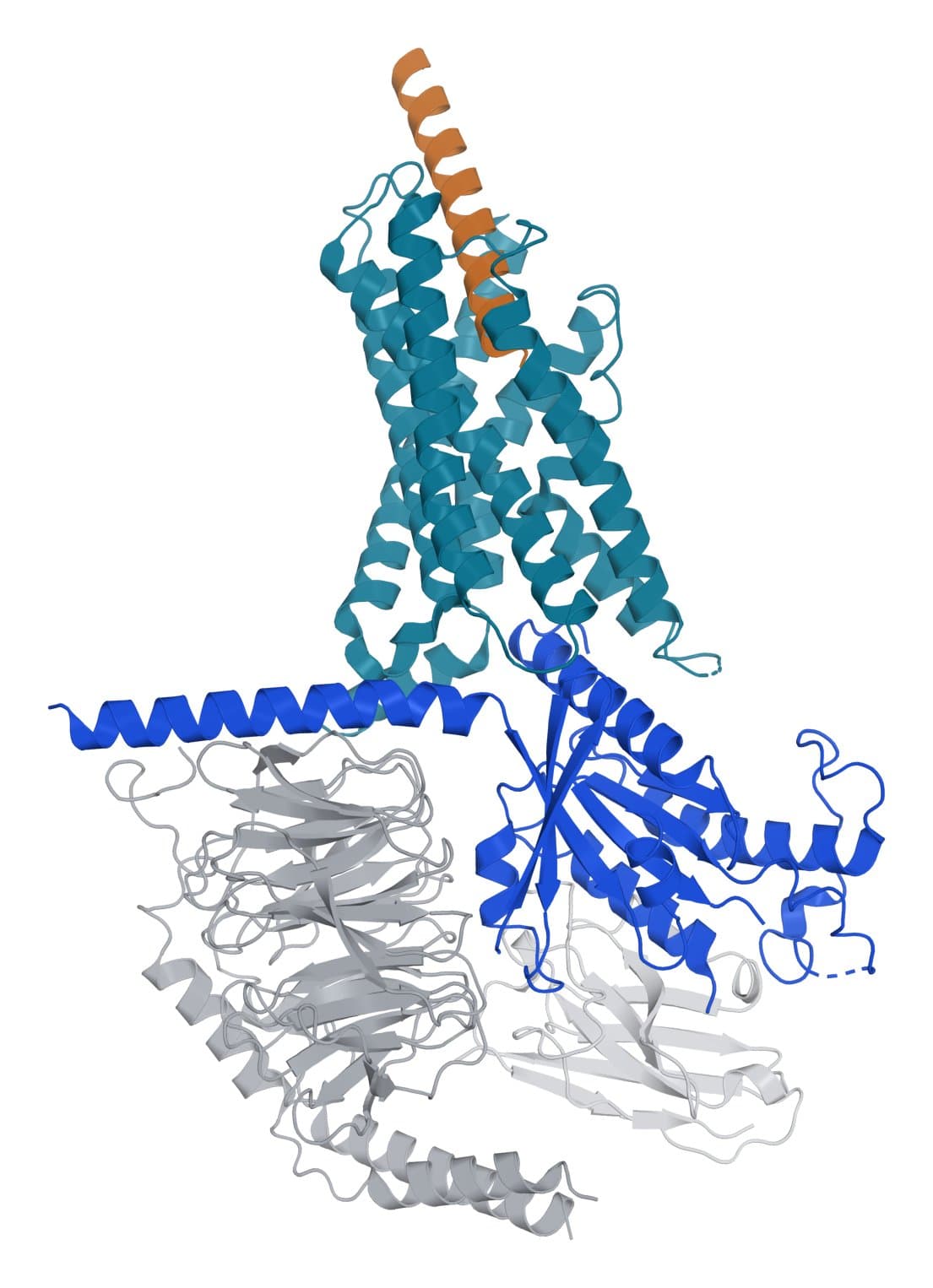
Sermorelin is a 29-amino acid synthetic analog of growth hormone-releasing hormone (GHRH). It is available through 503A compounding and has an established safety and tolerability profile in the literature. Sermorelin stimulates pituitary GH release through the GHRH receptor, producing physiological pulsatile GH secretion rather than the continuous supraphysiological levels associated with exogenous HGH administration.
Tesamorelin
Tesamorelin is an FDA-approved GHRH analog (Egrifta, approved for HIV-associated lipodystrophy) Because an approved tesamorelin product exists, a compounded preparation must differ from it in a way the prescriber determines is significant for an identified patient, under section 503A.
CJC-1295 and Ipamorelin: Current Regulatory Status
Clinicians and clinic operators should be aware of the regulatory position of these two compounds. FDA placed both in Category 2 of its interim policy on bulk drug substances, where it identified significant safety risks. The nominators withdrew both 503A nominations in April 2026, which leaves CJC-1295 and ipamorelin on no 503A list for any route until FDA adds them to the bulks list through rulemaking.
Clinics should verify the current status of either compound with their pharmacy and legal counsel before prescribing.
The pharmacological rationale for the CJC-1295/ipamorelin combination is well-established in the research literature. Ipamorelin is a selective growth hormone secretagogue that activates the GHSR without the cortisol, ACTH, or prolactin co-stimulation seen with earlier GHRPs (Raun et al., European Journal of Endocrinology, 1998). CJC-1295 is a GHRH analog, so the two act on different receptors. Neither compound, alone or combined, is on any 503A list.
What to Evaluate in a Hormone Optimization Pharmacy Partner
Potency assay methodology
Every steroid hormone preparation should have a COA that specifies the analytical method (HPLC or UPLC with detector type and wavelength), the acceptance criteria, the analyst or laboratory identity, and the specific potency result for the released lot. A COA that states only meets specification without the underlying data leaves the released concentration unverified.
Beyond-use dating with stability data
Compounded preparations do not carry FDA-validated expiration dates. The beyond-use date (BUD) assigned by the pharmacy should be based on stability testing for the specific formulation, not on USP default BUD tables, which are conservative estimates rather than formulation-specific determinations.
Sterility testing for injectable preparations
All injectable testosterone and peptide preparations must be released with sterility testing results under USP 71 or equivalent. The test must be performed on the specific lot, not on a production process validation batch.
Endotoxin testing for injectables
Quantitative endotoxin results by LAL assay with stated acceptance criteria in EU/mL are required for all injectable preparations. A qualitative pass result without the quantitative value and the assay acceptance limit is incomplete documentation.
API sourcing documentation
The active pharmaceutical ingredient used in the compounded preparation should be sourced from an FDA-registered API manufacturer with a USP or NF certificate of analysis. Request the API COA or ask the pharmacy to confirm the API source as part of your supplier qualification process.
Requesting the Formulary
Compounded preparations are dispensed by our 503A pharmacy partner on a patient-specific prescription. The current formulary is released to verified practices after NPI verification. Availability depends on the pharmacy's license in the destination state, confirmed before a first prescription is filled.
NPI-verified clinic access required. Apply at exaveyra.com/apply.
Figure sources
- [1]PubChem CID 5757, Estradiol. National Center for Biotechnology Information, PubChem. Public domain.
- [2]PubChem CID 5994, Progesterone. National Center for Biotechnology Information, PubChem. Public domain.
- [3]PubChem CID 5756, Estriol. National Center for Biotechnology Information, PubChem. Public domain.
Frequently Asked Questions
Why does the supply chain matter for 503A compounded hormone preparations?+
For a 503A preparation, potency, purity and stability are determined by the analytical method the pharmacy uses to release each lot, the sourcing of the active pharmaceutical ingredient and the formulation science applied to the dosage form. None of these are visible on the label, and 503A pharmacies are not required to carry the comprehensive labeling of FDA-approved products, so the pharmacy's documentation discipline is the primary quality assurance mechanism available to the prescriber.
What should a Certificate of Analysis for a compounded hormone preparation specify?+
The analytical method, meaning HPLC or UPLC with detector type and wavelength, the acceptance criteria, the analyst or laboratory identity, and the specific potency result for the released lot. A COA that states only that the lot meets specification, without the underlying data, leaves the released concentration unverified. Multi-ingredient preparations should carry an individual potency result for each active ingredient.
What testing should accompany an injectable hormone or peptide preparation?+
Lot-specific sterility testing under USP 71 or equivalent, and quantitative endotoxin results by LAL assay with the acceptance limit stated in EU/mL. A qualitative pass without the quantitative value is incomplete documentation.
How is the beyond-use date on a compounded preparation determined?+
Compounded preparations do not carry FDA-validated expiration dates. The beyond-use date should be based on stability testing for the specific formulation rather than on USP default BUD tables, which are conservative estimates rather than formulation-specific determinations.
What is the regulatory status of CJC-1295 and ipamorelin?+
FDA placed both in Category 2 of its interim policy on bulk drug substances, and the nominators withdrew both 503A nominations in April 2026, which leaves each on no 503A list for any route until FDA adds it to the bulks list. Clinics should verify current status with their pharmacy and legal counsel before prescribing.
Benn Bluestein-Veyra holds an M.Sc. in Organic Chemistry from the Universidad Autónoma de Madrid and a background in nucleotide process chemistry for next-generation DNA sequencing. He is the Founder and CEO of ExaVeyra Sciences, a Miami-based B2B supplier of regenerative medicine products for licensed practitioners.
Disclaimer: This article is for informational and educational purposes for licensed medical professionals. It does not constitute medical advice, legal advice, or clinical protocol recommendations. Regulatory status of compounded preparations is subject to change. Clinics should verify current compound availability and regulatory status with their pharmacy partner and legal counsel before prescribing. All clinical decisions remain with the licensed practitioner.