Where the Two Categories Actually Meet
Most conversations about adding peptides to a hormone optimization protocol begin from an additive premise. The question gets framed as which peptides pair well with testosterone, or what a menopausal patient on estradiol and progesterone might tolerate alongside her existing regimen, as though the two categories occupy separate compartments that stack without consequence.
The endocrine literature describes something considerably more entangled. Sex steroids and several major peptide classes converge on shared signaling architecture, and in more than one case the hormone already on board determines how the peptide behaves, how its biomarkers should be read, and whether the expected response appears at all. A prescriber who adds a growth hormone secretagogue to a patient taking oral estradiol and then interprets the resulting IGF-1 value the same way they would in a patient on transdermal estradiol is reading two different assays and treating them as one.
What follows is a mechanism-based map of those intersections, organized by the pathway involved rather than by product category. Nothing here is a protocol, and none of it substitutes for the prescriber's own risk-benefit analysis with an individual patient. The intent is narrower, which is to identify where the pharmacology of these two categories genuinely overlaps and where the overlap has consequences a practitioner can anticipate.
Four Points of Intersection
Peptides and sex steroids meet in four distinct places. Three are signaling intersections and one is purely pharmacokinetic, which makes it the easiest to overlook and arguably the most immediately actionable.
Somatotropic Convergence (GH/IGF-1)
Sex steroids regulate growth hormone secretion centrally and modulate hepatic IGF-1 generation peripherally. Any growth hormone secretagogue given to a patient on hormone therapy is being given into an axis that the hormone has already modified.[1]
Gonadotropic Feedback (HPG)
Exogenous androgen suppresses the hypothalamic-pituitary-gonadal axis (Fig. 1). Several peptides and small molecules act at different nodes of that same axis, either to preserve its function or to stimulate it directly.[8]
Central Desire Circuitry
Melanocortin and kisspeptin signaling govern sexual desire through hypothalamic and limbic pathways that operate substantially independent of circulating steroid concentration. This separability is why hormone repletion sometimes resolves laboratory values without resolving the presenting complaint.[14]
Absorption and Carrier Proteins
Not a signaling intersection at all. Incretin therapies alter gastric emptying, and oral estrogens alter hepatic binding-protein synthesis. Both change the delivered exposure of concomitant oral agents without touching the receptor.[18]
Growth Hormone Secretagogues and Sex Steroids
This is the deepest and most clinically consequential intersection, and it is the one most often handled as though it did not exist.
The route of estrogen delivery changes the answer
The GH/IGF-1 axis responds to estrogen differently depending on how the estrogen arrives. Oral administration exposes the liver to high portal estrogen concentrations before systemic distribution, and that first-pass hepatic exposure inhibits IGF-1 synthesis. Circulating IGF-1 falls, feedback inhibition at the pituitary is reduced, and GH secretion rises to compensate. Transdermal delivery bypasses portal circulation and produces the opposite pattern, raising IGF-1 without meaningfully changing GH output.[2]
The magnitude is not subtle. In a randomized comparison in women with hypopituitarism receiving growth hormone, the oral estradiol group showed a mean IGF-1 reduction near 43 percent while the transdermal group showed no significant change.[4] Work in GH-deficient women demonstrated that IGF-1 rose dose-dependently in response to incremental GH administration during both estrogen phases, but the magnitude of the rise was significantly smaller during oral treatment.[3] Oral estrogen also raises serum GH-binding protein, which attenuates GH action independently.[2]
For a practitioner running sermorelin, tesamorelin, or a tesamorelin combination in a woman on hormone therapy, the practical translation is direct. A flat or disappointing IGF-1 response in a patient taking oral estradiol may reflect the route of her estrogen rather than a failure of the secretagogue, and a dose escalation undertaken to chase that number is escalating against a hepatic effect rather than a pituitary one. Route context belongs on the lab requisition alongside the value.
Testosterone amplifies the response, and it does so through aromatization
The male-side picture inverts the concern into an interaction worth understanding rather than avoiding. Testosterone (Fig. 2a) stimulates GH secretion centrally, and that stimulation depends on prior aromatization to estradiol (Fig. 2b). Testosterone additionally amplifies the GH stimulation of IGF-1, sodium retention, substrate metabolism, and protein anabolism.[1]
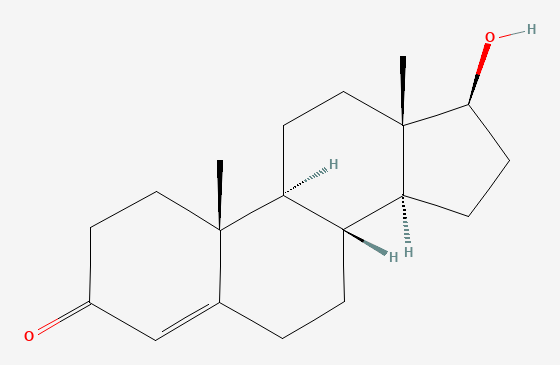
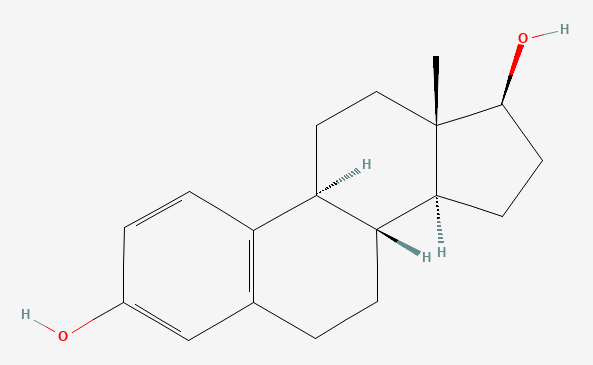
Fig. 2 | Testosterone and Estradiol.
A randomized controlled trial in men aged 65 and older with total testosterone below 350 ng/dL separated the two contributions. Transdermal testosterone and an aromatase inhibitor both increased GH pulse frequency relative to placebo, but only the testosterone group showed a significant IGF-1 increase at six months. The investigators concluded that testosterone drives GH pulse frequency while aromatization to estradiol drives the IGF-1 rise.[5]
That finding has an uncomfortable corollary for aggressive aromatase management. A patient on testosterone plus anastrozole plus a growth hormone secretagogue is receiving one agent that suppresses the very conversion pathway through which testosterone potentiates the IGF-1 response to the other. The three-drug combination is common in practice and internally cross-purposed in a way that laboratory monitoring will reveal if the prescriber is looking for it.
The combination data on body composition
The classic randomized evidence for combining growth hormone with sex steroid comes from a trial in 131 healthy aged women and men, where the combination arms produced larger lean body mass gains and greater fat reduction than either agent alone, with men receiving testosterone plus recombinant GH showing the most pronounced changes.[6] Subsequent work confirmed that GH and testosterone interact positively on protein and energy metabolism.[7] These trials used recombinant growth hormone rather than secretagogues, so the extrapolation to sermorelin or tesamorelin is mechanistic rather than direct, and the distinction should be stated plainly to patients.
Tesamorelin carries the strongest regulatory footing in this class as an FDA-approved GHRH analog (Fig. 3). In a 412-patient randomized trial, visceral adipose tissue decreased by 27.8 square centimeters from baseline in the tesamorelin group against a 5.1 square centimeter increase on placebo, with results holding after adjustment for baseline testosterone use.[9] That adjustment is itself informative, since it indicates the visceral fat effect was not simply an artifact of concurrent androgen therapy in the study population.
The oral secretagogue caveat
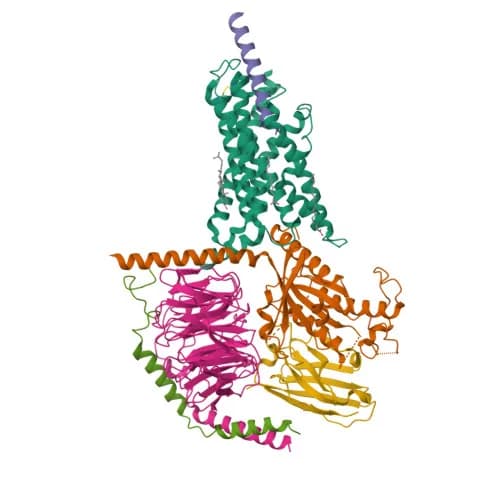
Oral ghrelin-mimetic secretagogues (Fig. 4) occupy a different risk position than the injectable GHRH analogs. In a two-year randomized trial in healthy adults aged 60 to 81, the oral ghrelin mimetic MK-677 raised pulsatile GH secretion and IGF-1 into the young-adult range and increased fat-free mass by roughly 1.1 kg, but fasting glucose rose by about 5 mg/dL and insulin sensitivity declined.[10] For a hormone optimization patient who is also metabolically compromised, or who is concurrently on an incretin therapy precisely because of glycemic concerns, that direction of effect runs against the rest of the protocol. FDA placed ibutamoren mesylate, the salt form of MK-677, in category 2 of its 503A interim policy in September 2023, meaning the agency identified significant safety risks, citing a potential for congestive heart failure, and it remains in category 2 as of October 2026.[25][29]
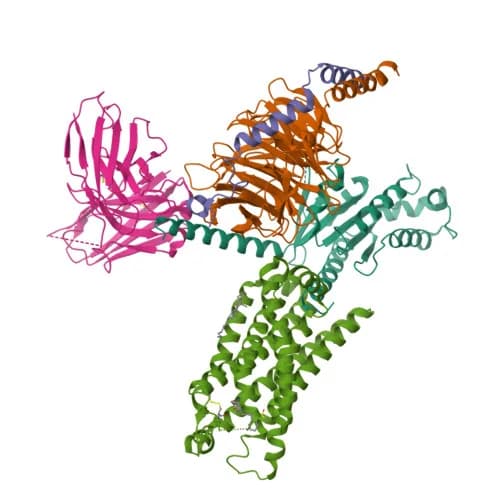
Direct IGF-1 analogs sit further out still. When an IGF-1 analog is running alongside a secretagogue and testosterone, serum IGF-1 stops functioning as a readout of pituitary response and becomes a composite of exogenous analog, secretagogue-driven endogenous production, and androgen amplification. The monitoring value that most prescribers rely on to titrate this class becomes uninterpretable in exactly the stack where the cumulative exposure most warrants monitoring.
The HPG Axis and What Exogenous Androgen Displaces
Exogenous testosterone suppresses gonadotropin secretion, and the downstream consequence inside the testis is more severe than serum values suggest (Fig. 5). Intratesticular testosterone concentrations normally run 50 to 100 times higher than serum, and that gradient is a prerequisite for spermatogenesis. Exogenous androgen collapses it while serum values look entirely adequate.[11]
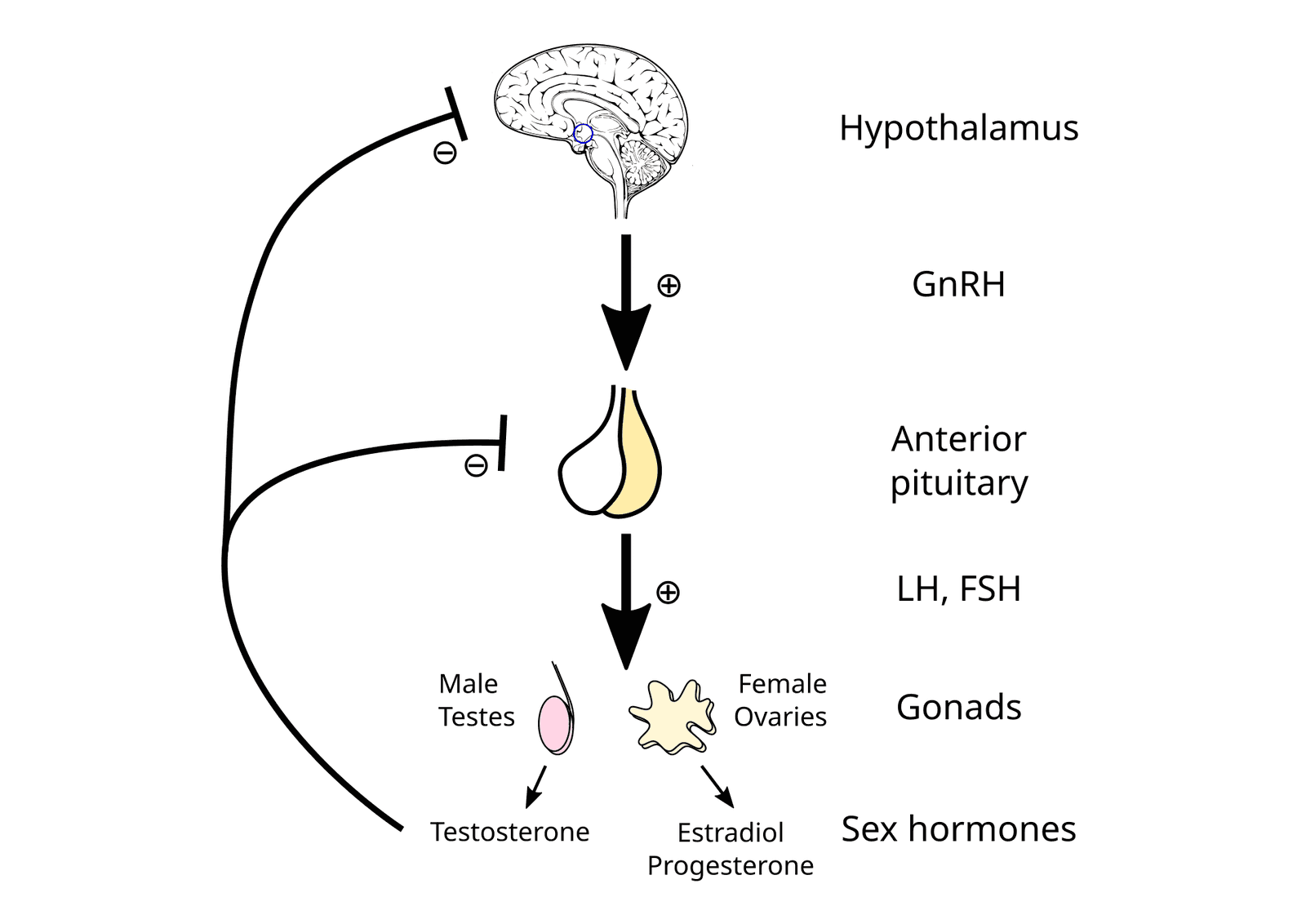
Low-dose hCG co-administration maintains that gradient. Published work reported that intratesticular testosterone increased linearly with hCG dose, and that a relatively low dose was sufficient for maintenance.[12] In a retrospective series of hypogonadal men receiving testosterone with concurrent low-dose hCG, semen parameters and pregnancy outcomes were preserved.[11] A 2025 review of the field summarizes the current position, which is that concomitant low-dose hCG sustains intratesticular testosterone and spermatogenesis, and that concurrent testosterone administration does not appear to impede gonadotropin-mediated recovery.[13]
Gonadorelin occupies an adjacent but genuinely different position. As a GnRH analog it acts one level upstream at the pituitary rather than directly at the Leydig cell, and it requires appropriate pulsatile delivery to avoid receptor downregulation. In men on testosterone therapy, gonadorelin has not been compared head to head with hCG for fertility endpoints in published controlled trials. Practitioners substituting one for the other should be explicit with patients that preventing testicular atrophy and preserving spermatogenesis are distinct goals supported by distinct evidence, and that the gonadorelin literature is thinner on the second.
The SERM pathway, using clomiphene or enclomiphene, blocks estrogen negative feedback at the hypothalamus and pituitary to raise endogenous LH and FSH, which stimulates the axis instead of replacing its output.[13] Kisspeptin sits above all of these as the most upstream node, acting on KNDy neurons that drive GnRH release. Its clinical literature to date, discussed below, has developed along the sexual-behavior axis rather than the fertility axis.
Desire Circuitry Runs Partly Independent of Hormone Levels
This is the intersection that most often explains a specific and frustrating clinical presentation, which is the patient whose laboratory values normalize on hormone therapy while the presenting sexual complaint does not.
The strongest single piece of evidence for separability comes from a subgroup analysis of the RECONNECT program. Across two replicate phase 3 trials in 1,202 premenopausal women with hypoactive sexual desire disorder, bremelanotide produced statistically significant improvements in desire and reductions in associated distress.[14] The subgroup analysis stratified those results by baseline free testosterone quartile and found consistent efficacy across all four quartiles, with the treatment difference in the lowest quartile comparable to the others.[15] A melanocortin-4 receptor agonist worked essentially as well in women with the lowest free testosterone as in women with the highest, which is difficult to reconcile with a model where desire is a simple function of androgen availability.
Kisspeptin data point the same direction from a different receptor (Fig. 6). Two randomized, placebo-controlled crossover trials of intravenous kisspeptin-54, each with 32 participants with HSDD completing both visits, used functional neuroimaging to assess sexual brain processing. In women, kisspeptin administration modulated sexual and attraction brain processing, and the degree of modulation correlated with psychometric measures of sexual aversion and distress.[16] In men, kisspeptin modulated activity across the sexual-processing network and increased penile tumescence in response to visual sexual stimuli, with the largest effect reported near the end of the task.[17] The investigators' interpretation is worth noting for its mechanistic specificity, which is that HSDD may involve excess activity in cortical regions associated with introspective self-monitoring, producing top-down inhibition, and that kisspeptin may act by deactivating those regions.[17] On the regulatory side, FDA placed kisspeptin-10 in category 2 of its 503A interim policy in September 2023, meaning the agency identified significant safety risks, and it remains there as of October 2026.[25][29]
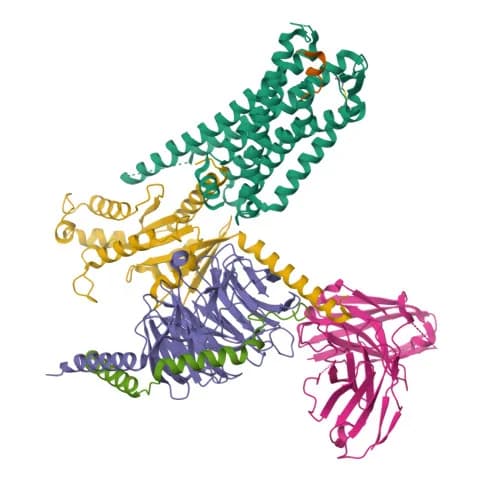
Both of these are early-stage findings in small populations, and neither establishes a treatment standard. What they establish for the practitioner is a differential-diagnosis point. When desire fails to respond to adequate hormone repletion, the central pathway is a mechanistically distinct target rather than a reason to escalate the hormone. PDE5 inhibitors address a third axis again, which is vascular rather than central or endocrine, and conflating the three is the most common source of protocol failure in this category.
The Interactions That Have Nothing To Do With Receptors
Two well-documented pharmacokinetic effects sit at this intersection, and both have immediate consequences for hormone clinics running combined protocols.
Incretin therapy and oral hormone absorption
Tirzepatide delays gastric emptying, and the effect is largest after the first dose and diminishes with subsequent administration. In a pharmacokinetic study coadministering a combined oral contraceptive with a single 5 mg tirzepatide dose, mean maximum concentration of ethinyl estradiol fell by 59 percent and overall exposure by 20 percent, with comparable reductions for the progestin components.[18] The approved labeling advises patients on oral hormonal contraceptives to switch to a non-oral method or add a barrier method for four weeks after initiation and for four weeks after each dose escalation.[18]
The class distinction matters and is frequently lost. Semaglutide, dulaglutide, and liraglutide have not demonstrated comparable effects on oral contraceptive bioavailability.[19] This is a tirzepatide-specific labeling action rather than a GLP-1 class effect, and treating it as a class effect produces unnecessary counseling in some patients while treating it as irrelevant produces a real exposure gap in others.
The labeled warning addresses contraception, and the underlying mechanism is not selective for contraceptive steroids. Any orally administered hormone product taken during tirzepatide initiation or escalation is subject to the same delayed and blunted absorption, which for a hormone optimization practice means oral estradiol capsules, oral progesterone in both immediate and sustained-release formats, combination oral preparations, enclomiphene, anastrozole, and oral thyroid combinations. Prescribers should be aware that a patient reporting loss of symptom control during a tirzepatide titration may be experiencing an absorption problem rather than a dosing problem, and that sustained-release oral formats depend on transit characteristics that delayed gastric emptying alters directly.
Oral estrogen and thyroid hormone requirements
The second interaction is older, better established, and still routinely missed. Estrogen increases hepatic synthesis of thyroxine-binding globulin, which raises the bound fraction and lowers free hormone availability. In a prospective study following 25 postmenopausal women with hypothyroidism on thyroxine plus 11 euthyroid controls across 48 weeks of estrogen therapy, women with hypothyroidism required increased thyroxine doses, and the effect was demonstrated in both replacement-dose and suppressive-dose populations.[20]
For a practice managing thyroid optimization alongside sex hormone protocols, this means that initiating or changing oral estrogen in a patient on T4/T3 is a trigger for thyroid function reassessment rather than an unrelated event. The interaction is driven by hepatic first-pass exposure, so it is attenuated with non-oral estrogen delivery, which makes it one more instance of the general principle running through this entire article. Route determines hepatic exposure, and hepatic exposure determines what happens to binding proteins and to IGF-1 generation.
Incretins and Functional Hypogonadism
Beyond the absorption question, incretin therapy intersects hormone optimization at the level of the underlying pathophysiology, and the 2025 and 2026 data have shifted the sequencing conversation.
Published work has examined how incretin receptor agonists interact with the hypothalamic-pituitary-gonadal axis. A retrospective cohort tracked total and free testosterone across 18 months of incretin receptor agonist use in men not receiving hormone therapy.[21] A two-month comparison against transdermal testosterone looked at gonadotropin behavior, and the investigators noted that exogenous testosterone suppresses gonadotropins while endogenous production was preserved in the incretin arm.[22] Analyses of a larger cohort have since asked whether part of the testosterone change is independent of change in body weight.[23]
None of this establishes an incretin as a treatment for hypogonadism, and the studies are short, largely retrospective, and in one case presented in abstract form. What the evidence does support is a sequencing question that belongs in the initial consultation for any patient presenting with both obesity and low testosterone, which is whether the metabolic driver should be addressed before, alongside, or instead of replacement, and whether a patient started on replacement first has been given a fair opportunity to recover endogenous function.
The lean mass counterpoint constrains the enthusiasm. A 2026 meta-analysis found that weight lost on GLP-1 receptor agonists was predominantly fat mass, with modest reductions in lean mass.[24] For an older patient or one with low baseline muscle mass, even a modest lean loss is clinically meaningful, and it is the strongest physiological argument for attention to resistance training, protein intake, and, where clinically appropriate and independently indicated, the anabolic and somatotropic considerations discussed in Axis 01.
Master Reference Table
| Compound class | Axis of intersection | Consequence for hormone protocol monitoring |
|---|---|---|
| GHRH analogs (sermorelin, tesamorelin) | Somatotropic | IGF-1 response depends on estrogen route; blunted with oral estradiol |
| GH secretagogue combinations | Somatotropic | Testosterone amplifies IGF-1 rise via aromatization |
| Oral ghrelin mimetics | Somatotropic + metabolic | Raises IGF-1; reduces insulin sensitivity, raises fasting glucose |
| Direct IGF-1 analogs | Somatotropic | Renders serum IGF-1 uninterpretable as a titration endpoint |
| Aromatase inhibitors | Somatotropic + gonadotropic | Suppresses the conversion mediating testosterone's IGF-1 amplification |
| hCG | Gonadotropic | Maintains intratesticular testosterone gradient during androgen therapy |
| Gonadorelin | Gonadotropic | Pituitary-level action; weaker evidence for fertility endpoints than hCG |
| SERMs (clomiphene, enclomiphene) | Gonadotropic | Stimulates endogenous axis rather than replacing output |
| MC4R agonists (bremelanotide) | Central desire | Efficacy demonstrated across free testosterone quartiles |
| Kisspeptin | Central desire + upstream HPG | Modulates sexual brain processing in early trials of IV kisspeptin-54; kisspeptin-10 is in FDA 503A category 2 |
| PDE5 inhibitors, intracavernosal | Vascular | Distinct axis; not a substitute for central or endocrine targets |
| Tirzepatide | Pharmacokinetic + metabolic | Reduces oral hormone absorption during initiation and escalation |
| Semaglutide and other GLP-1 RAs | Metabolic | No comparable oral absorption signal; shares functional hypogonadism effect |
Monitoring Implications
Which laboratory values to follow in a combined regimen is the prescriber's decision. The intersections above are a summary of what the cited literature reports, not a protocol.
The Regulatory Picture as of October 2026
Any discussion of peptide availability requires a dated regulatory statement. This one reflects FDA's published materials as of October 18, 2026.
In April 2026 the nominations for twelve of these peptides were withdrawn from Category 2 of FDA's interim policy, which leaves each withdrawn entry in no interim category until FDA adds the substance to the bulks list; kisspeptin-10 and ibutamoren mesylate were not withdrawn and remain in Category 2, and GHK-Cu for non-injectable routes was returned to Category 1 on May 14, 2026.[25] The Pharmacy Compounding Advisory Committee then met on July 23 and 24, 2026, to consider seven of those substances for inclusion on the 503A Bulks List. FDA career staff had recommended against all seven in the agency's briefing documents, citing inadequate chemical characterization, limited or absent human clinical trial evidence, and safety signals including immunogenicity concerns.[26]
The committee voted in favor of six of the seven. All four substances considered on the first day cleared, and on the second day the committee supported two of three while narrowly declining the third.[27] The votes were close throughout and ran against the agency's own written recommendation.
The critical point for clinic operators is that a PCAC recommendation is advisory and non-binding. Three distinct legal events are routinely collapsed into one in trade coverage: removal from Category 2, a favorable PCAC vote, and actual placement on the compoundable list following notice-and-comment rulemaking. Only the third changes what a 503A pharmacy may lawfully compound, and that process commonly requires many months from recommendation to final rule. A second advisory committee meeting to review an additional group of substances has been indicated before the end of February 2027.
As of October 18, 2026, FDA had not published a proposed rule adding any of the seven substances to the 503A bulks list, which still names six substances and no peptides.[28]
Clinics should verify current status with their pharmacy partner and counsel before prescribing anything in this category, and should treat availability as subject to change on a timescale measured in months.
Closing Observation
The organizing insight across all four axes is that route and mechanism determine outcome more reliably than compound selection does. Oral versus transdermal estrogen produces opposite effects on hepatic IGF-1 generation and on thyroxine-binding globulin. Testosterone's amplification of the somatotropic axis depends on a conversion step that a commonly co-prescribed aromatase inhibitor suppresses. Serum testosterone adequacy tells a prescriber almost nothing about intratesticular concentration, and normalized hormone panels tell them almost nothing about central desire circuitry.
Practitioners who build hormone and peptide protocols around these distinctions rather than around product categories will interpret their own monitoring data more accurately, and will be able to explain to a patient why an expected response did not appear without defaulting to a dose increase. That interpretive discipline is what separates a considered combined protocol from an accumulation of individually reasonable prescriptions.
References
- 1.Meinhardt UJ, Ho KKY. Modulation of growth hormone action by sex steroids. Clinical Endocrinology. 2006;65(4):413-422. https://doi.org/10.1111/j.1365-2265.2006.02676.x
- 2.Weissberger AJ, Ho KK, Lazarus L. Contrasting effects of oral and transdermal routes of estrogen replacement therapy on 24-hour growth hormone secretion, insulin-like growth factor I, and GH-binding protein in postmenopausal women. Journal of Clinical Endocrinology and Metabolism. 1991;72(2):374-381. https://pubmed.ncbi.nlm.nih.gov/1991807/
- 3.Wolthers T, Hoffman DM, Nugent AG, et al. Oral estrogen antagonizes the metabolic actions of growth hormone in growth hormone-deficient women. American Journal of Physiology, Endocrinology and Metabolism. 2001;281(6):E1191-E1196. https://doi.org/10.1152/ajpendo.2001.281.6.E1191
- 4.Isotton AL, Wender MC, Casagrande A, et al. Effects of oral and transdermal estrogen on IGF1, IGFBP3, IGFBP1, serum lipids, and glucose in patients with hypopituitarism during GH treatment: a randomized study. European Journal of Endocrinology. 2012;166(2):207-213. https://pubmed.ncbi.nlm.nih.gov/22108915/
- 5.Dias JP, Veldhuis JD, Carlson O, et al. Effects of transdermal testosterone gel or an aromatase inhibitor on serum concentration and pulsatility of growth hormone in older men with age-related low testosterone. Metabolism. 2017;69:143-147. https://pubmed.ncbi.nlm.nih.gov/28285644/
- 6.Blackman MR, Sorkin JD, Munzer T, et al. Growth hormone and sex steroid administration in healthy aged women and men: a randomized controlled trial. JAMA. 2002;288(18):2282-2292. https://doi.org/10.1001/jama.288.18.2282
- 7.Gibney J, Wolthers T, Johannsson G, Umpleby AM, Ho KK. Growth hormone and testosterone interact positively to enhance protein and energy metabolism in hypopituitary men. American Journal of Physiology, Endocrinology and Metabolism. 2005;289(2):E266-E271. https://doi.org/10.1152/ajpendo.00483.2004
- 8.Birzniece V, Sata A, Sutanto S, Ho KK. Paracrine regulation of growth hormone secretion by estrogen in women. Journal of Clinical Endocrinology and Metabolism. 2010;95(8):3771-3776. https://pubmed.ncbi.nlm.nih.gov/20444909/
- 9.Falutz J, Allas S, Blot K, et al. Metabolic effects of a growth hormone-releasing factor in patients with HIV. New England Journal of Medicine. 2007;357:2359-2370. https://www.nejm.org/doi/full/10.1056/NEJMoa072375
- 10.Nass R, Pezzoli SS, Oliveri MC, et al. Effects of an oral ghrelin mimetic on body composition and clinical outcomes in healthy older adults: a randomized trial. Annals of Internal Medicine. 2008;149(9):601-611. https://doi.org/10.7326/0003-4819-149-9-200811040-00003
- 11.Hsieh TC, Pastuszak AW, Hwang K, Lipshultz LI. Concomitant intramuscular human chorionic gonadotropin preserves spermatogenesis in men undergoing testosterone replacement therapy. Journal of Urology. 2013;189(2):647-650. https://www.sciencedirect.com/science/article/abs/pii/S0022534712048677
- 12.Roth MY, Page ST, Lin K, et al. Dose-dependent increase in intratesticular testosterone by very low-dose human chorionic gonadotropin in normal men with experimental gonadotropin deficiency. Journal of Clinical Endocrinology and Metabolism. 2010;95(8):3806-3813.
- 13.Hochu G, Geyer-Kim I, Kim E. Preserving spermatogenesis in testosterone deficiency: innovations in replacement and stimulatory therapies. Translational Andrology and Urology. 2025;14(12):3975-3987. doi:10.21037/tau-2025-480. https://tau.amegroups.org/article/view/146924/html
- 14.Kingsberg SA, Clayton AH, Portman D, et al. Bremelanotide for the treatment of hypoactive sexual desire disorder: two randomized phase 3 trials. Obstetrics and Gynecology. 2019;134(5):899-908. https://pubmed.ncbi.nlm.nih.gov/31599840/
- 15.Bremelanotide for hypoactive sexual desire disorders in the RECONNECT studies: analysis of baseline free testosterone level quartile subgroups. Journal of Sexual Medicine. 2019. https://www.sciencedirect.com/science/article/abs/pii/S1743609519310094
- 16.Thurston L, Hunjan T, Ertl N, et al. Effects of kisspeptin administration in women with hypoactive sexual desire disorder: a randomized clinical trial. JAMA Network Open. 2022;5(10):e2236131. https://doi.org/10.1001/jamanetworkopen.2022.36131
- 17.Mills EG, Ertl N, Wall MB, et al. Effects of kisspeptin on sexual brain processing and penile tumescence in men with hypoactive sexual desire disorder: a randomized clinical trial. JAMA Network Open. 2023;6(2):e2254313. https://doi.org/10.1001/jamanetworkopen.2022.54313
- 18.Tirzepatide prescribing information (Mounjaro; Zepbound). Eli Lilly and Company. US Food and Drug Administration. https://www.accessdata.fda.gov/drugsatfda_docs/label/2022/215866s000lbl.pdf
- 19.Skelley JW, Swearengin K, York AL, Glover LH. The impact of tirzepatide and glucagon-like peptide 1 receptor agonists on oral hormonal contraception. Journal of the American Pharmacists Association. 2024;64(1):204-211. https://doi.org/10.1016/j.japh.2023.10.037
- 20.Arafah BM. Increased need for thyroxine in women with hypothyroidism during estrogen therapy. New England Journal of Medicine. 2001;344(23):1743-1749. https://doi.org/10.1056/NEJM200106073442302
- 21.Anti-obesity medications can normalize testosterone levels in men. Endocrine Society, ENDO 2025. https://www.endocrine.org/news-and-advocacy/news-room/endo-annual-meeting/endo-2025-press-releases
- 22.La Vignera S, Cannarella R, Garofalo V, et al. Tirzepatide as a promising treatment for metabolic hypogonadism in obese men: effects on metabolic and hormonal parameters (abstract OR09-06, ENDO 2025). Journal of the Endocrine Society. 2025;9(Suppl 1). doi:10.1210/jendso/bvaf149.071. https://doi.org/10.1210/jendso/bvaf149.071
- 23.GLP-1 receptor agonists and testosterone: cohort analysis of total and free testosterone before and after initiation. Medscape, 2026. https://www.medscape.com/viewarticle/glp-1-ras-may-independently-boost-testosterone-levels-2026a1000fxi
- 24.Sawicka-Gutaj N, Gruszczyński D, Nijakowski K, Derwich-Rudowicz A, Krenz M, Kumar A, Lu P, Ruchała M. GLP-1 agonists and changes in body mass and composition in adults with overweight or obesity with or without type 2 diabetes mellitus: a systematic review and meta-analysis. International Journal of Obesity. 2026;50(8):1603-1621. doi:10.1038/s41366-026-02088-1. https://www.nature.com/articles/s41366-026-02088-1
- 25.503A Categories Update for Bulk Drug Substances (category 2 table and nominations since withdrawn). US Food and Drug Administration. Updated May 14, 2026. https://www.fda.gov/media/94155/download
- 26.July 23-24, 2026 Meeting of the Pharmacy Compounding Advisory Committee. US Food and Drug Administration. Docket FDA-2025-N-6895. https://www.fda.gov/advisory-committees/advisory-committee-calendar/july-23-24-2026-meeting-pharmacy-compounding-advisory-committee-07232026
- 27.FDA advisory committee backs two more peptides, rejects one for compounding list. Regulatory Affairs Professionals Society, July 24, 2026. https://www.raps.org/resource/fda-advisory-committee-backs-two-more-peptides-rejects-one-for-compounding-list.html
- 28.21 CFR 216.23, Bulk drug substances that can be used to compound drug products in accordance with section 503A of the Federal Food, Drug, and Cosmetic Act. Electronic Code of Federal Regulations, last amended February 19, 2019 (84 FR 4710). https://www.ecfr.gov/current/title-21/chapter-I/subchapter-C/part-216/subpart-B/section-216.23
- 29.Certain Bulk Drug Substances for Use in Compounding that May Present Significant Safety Risks (category 2 table). US Food and Drug Administration. Content current as of April 22, 2026. https://www.fda.gov/drugs/human-drug-compounding/certain-bulk-drug-substances-use-compounding-may-present-significant-safety-risks
Figure sources
- [30]PubChem CID 6013, Testosterone. National Center for Biotechnology Information, PubChem. Public domain.
- [31]PubChem CID 5757, Estradiol. National Center for Biotechnology Information, PubChem. Public domain.
- [32]PDB 7CZ5, Growth hormone-releasing hormone receptor. RCSB Protein Data Bank (rcsb.org). Image released under CC0. Structure publication: Zhou F, et al. Structural basis for activation of the growth hormone-releasing hormone receptor. Nat Commun. 2020.
- [33]PDB 7NA8, Ghrelin receptor bound to ibutamoren. RCSB Protein Data Bank (rcsb.org). Image released under CC0. Structure publication: Liu H, et al. Structural basis of human ghrelin receptor signaling by ghrelin and the synthetic agonist ibutamoren. Nat Commun. 2021.
- [34]PDB 8ZJD, Kisspeptin receptor bound to KP-10. RCSB Protein Data Bank (rcsb.org). Image released under CC0. Structure publication: Shen S, et al. Structural basis for hormone recognition and distinctive Gq protein coupling by the kisspeptin receptor. Cell Rep. 2024.
Frequently Asked Questions
Why does the route of estrogen delivery change the IGF-1 response to a growth hormone secretagogue?+
Oral estradiol exposes the liver to high portal concentrations and inhibits hepatic IGF-1 synthesis, while transdermal delivery bypasses portal circulation and raises IGF-1 without changing GH output. In the randomized comparison cited in the article, the oral group showed a mean IGF-1 reduction near 43 percent and the transdermal group no significant change, so the estrogen route belongs on the requisition beside the value.
How does testosterone interact with the GH/IGF-1 axis?+
Testosterone increases GH pulse frequency, and the IGF-1 rise depends on aromatization to estradiol. A regimen that combines testosterone, an aromatase inhibitor and a secretagogue suppresses the conversion step through which testosterone potentiates the IGF-1 response, which laboratory monitoring will reveal if the prescriber is looking for it.
Does tirzepatide affect the absorption of oral hormone preparations?+
Tirzepatide delays gastric emptying, most strongly after the first dose. In the pharmacokinetic study cited in the article, a single dose reduced the maximum concentration of ethinyl estradiol by 59 percent and overall exposure by 20 percent. The mechanism is not selective for contraceptive steroids, so any oral hormone product taken during initiation or escalation is subject to the same effect. Semaglutide, dulaglutide and liraglutide have not demonstrated comparable effects.
Why does oral estrogen change thyroid hormone requirements?+
Estrogen increases hepatic synthesis of thyroxine-binding globulin, which raises the bound fraction and lowers free hormone availability. Initiating, stopping or adjusting oral estrogen in a patient on thyroid replacement is a trigger for reassessment, and the effect is attenuated with non-oral delivery.
Does a favorable PCAC vote mean a peptide can be compounded?+
No. Removal from Category 2, a favorable advisory committee vote and placement on the compoundable list after notice-and-comment rulemaking are three distinct legal events, and only the third changes what a 503A pharmacy may lawfully compound. Clinics should verify current status with their pharmacy partner and counsel before prescribing.
Benn Bluestein-Veyra holds an M.Sc. in Organic Chemistry from the Universidad Autonoma de Madrid and a background in nucleotide process chemistry for next-generation DNA sequencing. He is the Founder and CEO of ExaVeyra Sciences, a Miami-based B2B wholesale distributor of regenerative medicine products for licensed practitioners.
NPI-verified wholesale access required. Apply at exaveyra.com/apply.
Medical and Regulatory Disclaimer: This article is a literature summary prepared for licensed practitioner education. It does not constitute medical advice, clinical diagnosis, prescribing recommendation, or regulatory guidance for any individual patient. Combination therapy decisions must be made by a qualified healthcare provider with full informed consent. Compounded preparations are not FDA-approved. The regulatory status of individual peptides is actively changing; confirm current compounding eligibility and FDA classification with your pharmacy partner and legal counsel before prescribing. ExaVeyra Sciences does not provide medical diagnoses or prescribe treatments. Products are intended for use by licensed healthcare providers in accordance with applicable federal and state laws.