Introduction
For most of the past two decades, regenerative medicine operated on a foundational assumption: that a well-sourced biologic, properly administered, would produce broadly consistent outcomes across patients. Recent multi-omics research is putting that assumption to the test.
The convergence of artificial intelligence, genomic profiling, and multi-omics data integration is revealing something more complex and more useful. Individual biology varies enough at the molecular level that population-averaged regenerative protocols may leave meaningful room for improvement. The emerging field of precision regenerative medicine studies how personalized cell-based approaches could be designed, validated, and delivered.
The Multi-Omics Foundation
To understand why this shift is happening now, it is worth examining what multi-omics profiling actually makes possible. Where conventional genomics produces a static snapshot of a patient's DNA sequence (Fig. 1), multi-omics integration layers that information with transcriptomic data (which genes are actively expressed), proteomic data (which proteins are being produced and in what quantities), and metabolomic data (the downstream biochemical environment those proteins are operating in). The result works like a live instrument panel, reflecting how a patient's biology is functioning at a given moment as well as how it was encoded at birth.
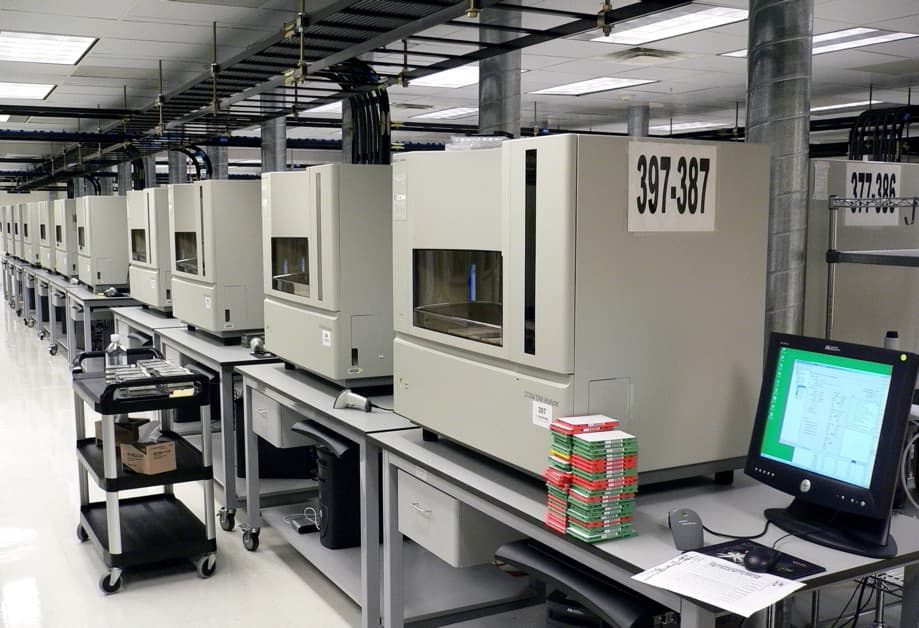
A 2025 review published in OMICS: A Journal of Integrative Biology describes this integration as a new paradigm for systems biology, in which combining genomic, transcriptomic, proteomic and metabolomic layers moves research toward predictive models of how biological systems behave.[1] That predictive direction points toward models of individual patient biology, sometimes called digital twins, that could one day help anticipate how a patient responds to an intervention.
The clinical research implications for regenerative medicine are direct. Stem cell differentiation, tissue engraftment and, for peptides with characterized receptors, receptor expression all depend in part on the molecular environment a patient presents with. A protocol calibrated to that environment may perform more consistently than one calibrated to a population average, a hypothesis precision medicine research is now testing.
AI as the Analytical Engine
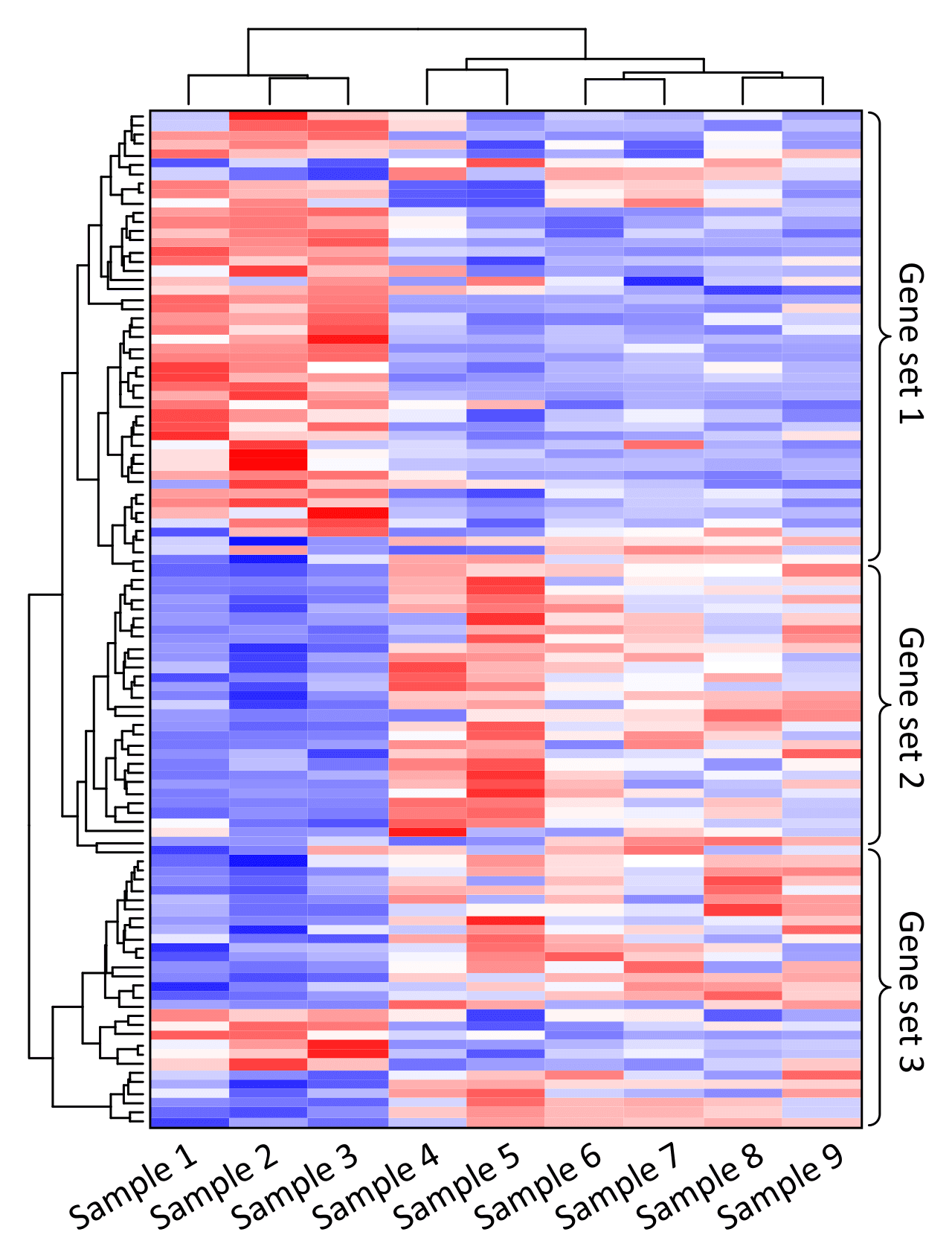
The volume and dimensionality of multi-omics data is beyond the practical reach of conventional statistical analysis. An integrated omics profile combines measurements from several biological layers at once, at a scale that grows with every layer added. This is where machine learning and deep learning models have become indispensable (Fig. 2).
A 2025 review in Clinical and Experimental Medicine (Springer Nature) examined how AI bridges this analytical gap in precision oncology, reporting that integrated multi-omics classifiers reach AUCs of about 0.81 to 0.87 on difficult early-detection tasks when paired with rigorous preprocessing and external validation.[2] The review specifically highlights graph neural networks for modeling biological interaction networks, transformer architectures for cross-modal data fusion, and explainable AI frameworks for making these predictions legible to clinicians, a non-trivial requirement for clinical adoption.
Parallel developments in stem cell research have extended these capabilities directly into regenerative medicine. A 2025 paper examined AI-driven quality monitoring in stem cell cultures, describing how machine learning models analyzing high-resolution imaging and multi-sensor data can dynamically track cell morphology, proliferation rate, differentiation potential, and genetic integrity in real time.[3] AI-driven quality assurance has the potential to ease a long-standing bottleneck between laboratory-grade cell therapy and scalable clinical production.
Perhaps most ambitiously, a 2025 review in Bioengineering on AI and mesenchymal stem cell therapies describes the AI Virtual Cell (AIVC), a concept proposed in 2024 for a multi-scale, multimodal neural network that models molecular, cellular and tissue behavior together.[4] The authors note that the value of AI in predicting MSC differentiation fate lies in establishing “a foundation for patient-specific personalized cell therapy products,” and they identify validating these predictions in independent patient cohorts as the next step.
From Sequencing to Stem Cells: What Clinical Trials Are Showing
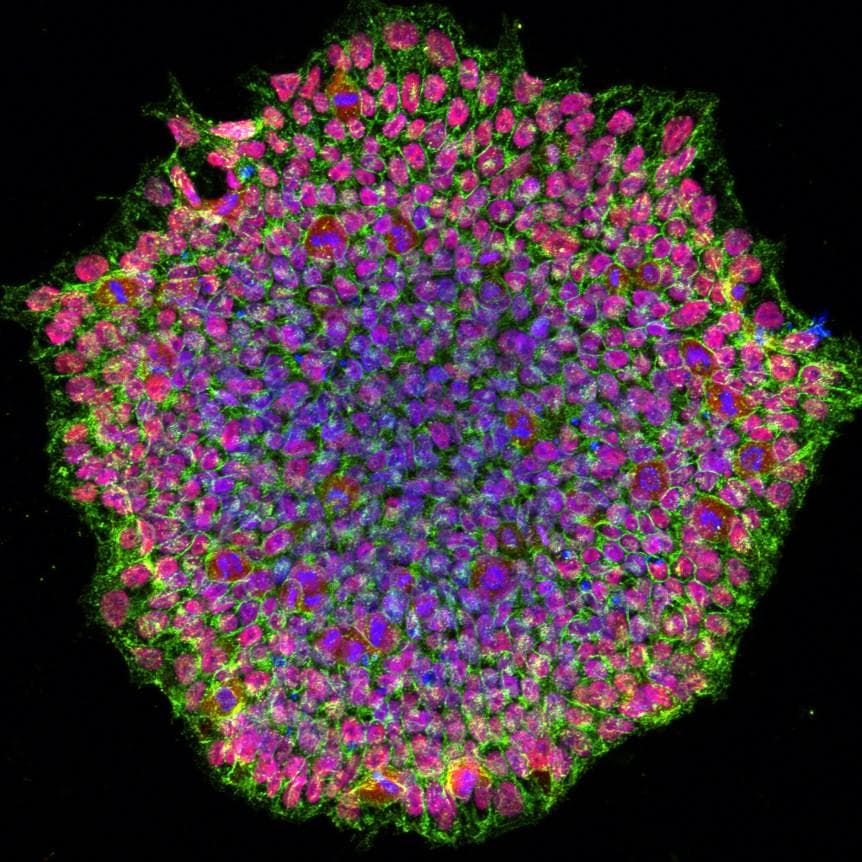
The translation of these capabilities from the laboratory into clinical trials is underway. As of December 2024, 116 regulatory-approved clinical trials are testing 83 human pluripotent stem cell (hPSC) products, with more than 1,200 patients dosed to date accumulating over 10¹¹ clinically administered cells, so far without generalizable safety concerns, according to a 2025 update published in Cell Stem Cell (Fig. 3).[5]
A separate 2025 study in Cell Stem Cell adds a finding directly relevant to precision protocol design: autologous dopaminergic cells derived from four Parkinson’s disease patients all met safety criteria, and cells from three of the four improved rodent behavioral outcomes. The authors noted that “in vitro assessments did not reliably predict in vivo efficacy.” In our reading, that variability between patient lines supports patient-level profiling in study design.[6]
In parallel, a 2024 real-world study published in JCO Precision Oncology examined comprehensive genomic profiling (CGP) in 3,884 patients with advanced non-small cell lung cancer and found that CGP was associated with more frequent detection of actionable biomarkers and with improved survival.[7] While oncology leads in clinical genomic integration, the reasoning carries over to regenerative research: knowing the molecular terrain before treatment may help inform outcomes.
Peptide Research at the Precision Frontier
Peptide research sits at an interesting intersection in this landscape. Many peptides act as signaling molecules, and for those with characterized receptors, activity depends on more than sequence: it also depends on whether the receptor is expressed, functional, and accessible in a given tissue. Receptor expression is part of the proteomic profile that multi-omics characterizes, which makes peptide response a natural subject for precision research.
Whether receptor expression varies between individuals enough to change peptide response is a research question multi-omics is equipped to study. Studies that stratify participants by genomic profile can build on the methodological foundation precision oncology has established over the past decade.
The 2025 BioMedInformatics review on AI in regenerative medicine notes that machine learning models are already enabling "accurate, non-invasive, and quantitative examination of living cells," supporting "better decision-making and real-time monitoring" in cell-based therapeutic contexts.[8] Applied to peptide research design, this capability supports adaptive study protocols that respond to tracked participant data across the course of a study.
Sourcing Implications for Research and IND Biologics
Precision research places new demands on the supply chain that supports it. When a study protocol is calibrated to a participant's genomic and proteomic profile, the biologics used in that study must meet a correspondingly high standard of characterization and consistency, because variability introduced at the sourcing level undermines the precision that profiling data was gathered to enable. In the United States, most stem cell products outside the narrow section 361 pathway are regulated as biological products that require an investigational new drug application (IND) for clinical use, and whether a given product falls under section 361 or section 351 is determined case by case with regulatory counsel.
Published monitoring data show why this matters. The Cell Stem Cell 2025 update on pluripotent stem cell therapies summarizes a UK study, not separately cited here, of 25 clinical-grade hESC lines in which four showed culture-adapted microduplications on chromosome 20q11.21 at higher passages, and a separate survey of 140 hESC lines found six mosaic TP53 mutations across five lines.[5] Both findings came from rigorous genomic monitoring of clinical-grade material, which shows genomic quality control working as an active, ongoing part of responsible biologic sourcing for as long as a cell line is in use.
For clinics and investigators building regenerative research programs around precision protocols, the sourcing partner relationship becomes a scientific one. Characterization data, passage records, genomic integrity documentation, and batch-to-batch consistency are the inputs that make study protocols reproducible across participants.
Conclusion
Published clinical trial data, machine learning architectures built specifically for stem cell quality control, and genomic profiling studies reshaping patient selection criteria are all pointing in the same direction. The science of regenerative medicine is maturing rapidly, and the tools now available to clinicians, researchers, and sourcing partners make that progress measurable.
Multi-omics now gives researchers a level of biological characterization that did not exist five years ago. Studies that pair genomically informed stratification with rigorously characterized biologics and AI-assisted outcome tracking sit at the current leading edge of the field.
The trajectory is encouraging. Precision approaches are appearing in peer-reviewed literature and in registered clinical trials, and the tools to study them carefully have never been more within reach.
Frequently Asked Questions
What is multi-omics profiling in regenerative medicine?
Multi-omics profiling combines genomic, transcriptomic, proteomic, and metabolomic data from a patient to produce a comprehensive, dynamic picture of their biological state. In regenerative medicine research, this approach is being studied to better understand how individual molecular environments may influence the behavior of cell-based and peptide-based interventions.
How is AI being used in stem cell therapy research?
AI and machine learning models are being applied to analyze multi-omics datasets, predict stem cell differentiation outcomes, monitor culture quality in real time, and identify patient-specific biological characteristics that may influence therapeutic design. Published research has reported AUCs of about 0.81 to 0.87 for AI-integrated multi-omics classifiers on difficult early-detection tasks.
Why does genomic profiling matter for peptide research?
Many peptides act as signaling molecules, and for those with characterized receptors, the response may depend partly on whether the receptor is expressed and accessible in a given tissue. Receptor expression is part of the proteomic profile that multi-omics characterization measures, which is why researchers are studying whether profiling can help explain differences in response.
What do clinical trials show about pluripotent stem cell therapies?
As of December 2024, 116 regulatory-approved clinical trials are testing 83 human pluripotent stem cell products, with more than 1,200 patients dosed so far without generalizable safety concerns, according to a 2025 update in Cell Stem Cell. A separate 2025 Cell Stem Cell study of autologous Parkinson’s cell products found that every patient line met safety criteria and three of four improved outcomes in animal models, variability that, in our reading, supports patient-level profiling in study design.
Annotated References
- [1]
Kant S, Deepika, Roy S. Integrative Multi-Omics and Artificial Intelligence: A New Paradigm for Systems Biology. OMICS. 2025;29(12):576-587. doi:10.1177/15578100251392371. PMID 41203247. https://doi.org/10.1177/15578100251392371
Foundational review establishing multi-omics integration as the basis for dynamic biomarker modeling and personalized therapeutic design.
- [2]
Hsu CY, Askar S, Alshkarchy SS, Nayak PP, Attabi KAL, Khan MA, et al. AI-driven multi-omics integration in precision oncology: bridging the data deluge to clinical decisions. Clin Exp Med. 2025;26:29. doi:10.1007/s10238-025-01965-9. PMID 41266662. https://doi.org/10.1007/s10238-025-01965-9
Comprehensive review of AI methodologies applied to multi-omics data for clinical decision support, including explainability and federated learning frameworks.
- [3]
Singh R, Orimi HE, Pedabaliyarasimhuni PKR, Hoesli CA, Chioua M. AI-Driven Quality Monitoring and Control in Stem Cell Cultures: A Comprehensive Review. Biotechnol J. 2025;20(8):e70100. doi:10.1002/biot.70100. PMID 40785233. https://pubmed.ncbi.nlm.nih.gov/40785233/
Examines real-time AI-based quality assurance systems for stem cell biomanufacturing, including morphology tracking and differentiation potential assessment.
- [4]
Huang M, Dissanayaka WL, Yiu CKY. Artificial Intelligence Driven Innovation: Advancing Mesenchymal Stem Cell Therapies and Intelligent Biomaterials for Regenerative Medicine. Bioengineering (Basel). 2025;12(12):1302. doi:10.3390/bioengineering12121302. PMID 41463599. https://pubmed.ncbi.nlm.nih.gov/41463599/
Describes the AI Virtual Cell concept, proposed in 2024, and reviews AI applications in MSC multi-omics analysis, cell fate prediction, and personalized regenerative therapy design.
- [5]
Kirkeby A, Main H, Carpenter M. Pluripotent stem-cell-derived therapies in clinical trial: A 2025 update. Cell Stem Cell. 2025;32(1):10-37. doi:10.1016/j.stem.2024.12.005. PMID 39753110. https://pubmed.ncbi.nlm.nih.gov/39753110/
Landmark update identifying 116 hPSC clinical trials with regulatory approval, covering 83 products, genomic integrity findings in clinical-grade lines, and safety data across 1,200+ dosed patients.
- [6]
Jeon J, Cha Y, Hong YJ, et al. Pre-clinical safety and efficacy of human induced pluripotent stem cell-derived products for autologous cell therapy in Parkinson's disease. Cell Stem Cell. 2025;32(3):343-360.e7. doi:10.1016/j.stem.2025.01.006. PMID 39952239. https://pubmed.ncbi.nlm.nih.gov/39952239/
Reports that autologous iPSC-derived dopaminergic products from four patients all met safety criteria and three of four improved outcomes in animal models, showing inter-individual variability; in our reading, this supports profiling as a component of study design.
- [7]
Wallenta Law J, Bapat B, Sweetnam C, et al. Real-World Impact of Comprehensive Genomic Profiling on Biomarker Detection, Receipt of Therapy, and Clinical Outcomes in Advanced Non-Small Cell Lung Cancer. JCO Precis Oncol. 2024;8:e2400075. doi:10.1200/PO.24.00075. PMID 38754057. https://pubmed.ncbi.nlm.nih.gov/38754057/
Real-world data in advanced non-small cell lung cancer associating CGP with more frequent actionable biomarker detection and lower mortality risk.
- [8]
Abuarqoub D, Mutahar M. The Application of Artificial Intelligence (AI) in Regenerative Medicine: Current Insights and Challenges. BioMedInformatics. 2025;5(4):69. doi:10.3390/biomedinformatics5040069. https://doi.org/10.3390/biomedinformatics5040069
Reviews AI applications across tissue engineering and cell-based therapeutics including non-invasive imaging analysis and real-time monitoring for adaptive protocol design.
- [9]
Merkle FT, Ghosh S, Kamitaki N, et al. Human pluripotent stem cells recurrently acquire and expand dominant negative P53 mutations. Nature. 2017;545:229-233. doi:10.1038/nature22312. https://doi.org/10.1038/nature22312
Survey of 140 human embryonic stem cell lines that found six mosaic TP53 mutations across five lines, the basis for ongoing genomic monitoring of clinical-grade material.
Related Reading
Licensed practices and research sponsors can apply for an NPI-verified account. Certificates of analysis are available on request.